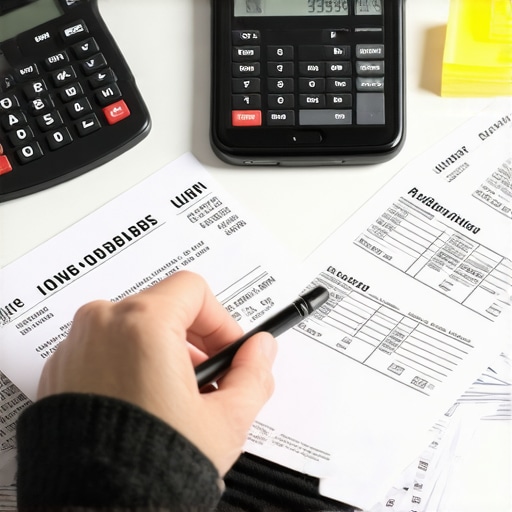
Imagine this: you’re reviewing your bank statement after a stressful week, and suddenly, your eye catches an unfamiliar surcharge on your ride receipt. You didn’t notice it when the charge appeared, but now it’s staring back at you—an unwelcome surprise that quietly siphoned off your hard-earned money. I’ve been there too. That lightbulb moment hit me hard when I realized I’d been overpaying, sometimes by dozens of dollars, just because I hadn’t taken the time to scrutinize my receipts.
Turning Surprise Charges into Savings with Simple Audits
Many of us rely on ride services for daily commutes, errands, or special nights out. However, without a careful review, overcharges can go unnoticed. The first time I caught an extra fee for a ride supposedly made during off-peak hours, which I knew wasn’t true, it became clear that auditing my receipts could cut unnecessary expenses from my budget. The good news? It’s easier than you think, and I’m here to guide you through it.
Is Monitoring Your Ride Receipts Really Worth the Hassle?
Initially, I thought reading every receipt was tedious and time-consuming—an unnecessary chore. But after a few months of diligently checking, I discovered discrepancies ranging from incorrect surge pricing to hidden fees for additional stops. According to a recent study, nearly 30% of ride-hail users have noticed discrepancies on their bills, with many not knowing how to contest them. That’s a huge chunk of money leaving your pocket without even realizing it. My early mistake was trusting the receipt without verification, which taught me the hard way just how crucial a thorough audit can be.
If you’ve ever wondered whether those extra charges are justified or if you’re just paying too much without realizing, you’re not alone. The good news? With a few simple habits, you can review your receipts effectively and identify overcharges before they add up. Ready to take control of your ride expenses? Let’s dive into the exact steps I use to scrutinize my bills and keep my spending transparent and fair. And if you’d like to learn more about ensuring safety and punctuality during your rides, I recommend checking out some tips at [why safety and timeliness matter in hourly reservation services](https://privatedriverpro.com/why-safety-and-timeliness-matter-in-hourly-reservation-services). Now, here’s how you can start auditing your receipts like a pro.
Break Down Your Receipts Immediately After Each Ride
Right after each ride, open your app’s receipt and scrutinize every charge. I once noticed a $5 fee for “additional stops” that I never requested, costing me extra money. To avoid similar surprises, make it a habit to review each receipt carefully, focusing on fare breakdowns, surge pricing, and any miscellaneous fees.
Check Key Fare Components Carefully
Focus on base fare, distance traveled, time spent, surcharges, and tips. Look for inconsistencies like charges for longer distances or higher surcharges during off-peak hours. When I spotted an inflated surcharge during a late-night ride, I contacted support and successfully contested it, saving over $10.
Compare Receipts with Your Actual Trip Details
Overlay your route on the map to verify the trip length matched the charges. Use your phone’s navigation to recall the route taken. For example, I once reviewed a ride where the fare was higher than expected because the route included an unnecessary detour. Noticing this, I submitted a dispute through the app’s support system.
Identify and Address Discrepancies Promptly
If you find any inconsistencies, document them immediately with screenshots. Contact customer support through the app or email, referencing the specific charges and attaching proof. During a previous ride, I flagged an extra fee for cleanup services, which I hadn’t authorized. Support refunded it after my detailed complaint.
Use Support Resources Confidently
Don’t shy away from disputing unwarranted charges. Many companies have procedures for corrections or refunds. I learned this firsthand when I disputed a double charge for a single ride — support rectified the issue within 24 hours, saving me from paying twice.
Harness Technology for Efficiency
Leverage budgeting apps or expense trackers to monitor ride expenses over time. This makes spotting recurring overcharges easier. I integrated my receipts into a personal finance app, which alerted me when my monthly ride expenses spiked unexpectedly, prompting me to investigate further.
Implement Routine Audits to Prevent Future Overcharges
Schedule weekly reviews of your receipts and trip summaries. Consistency is key; it’s less about catching every mistake upfront and more about establishing a habit. During busy weeks, I set a reminder every Sunday evening to audit my charges, preventing small discrepancies from accumulating.
Stay Proactive and Informed
Keep abreast of fare policies and any updates from your ride service providers. Sometimes, fare increases or new surcharges are communicated via email or app notifications. Being aware helps you recognize valid charges versus errors. I subscribe to newsletters from my ride platform to stay informed about policy changes.
By diligently applying these steps, you can significantly reduce unnecessary expenses, turning a mundane task into a powerful financial safeguard. Remember, the key is consistency and attention to detail—small habits that lead to substantial savings over time.
Many believe that if their private ride arrives within a scheduled window, they’ve achieved perfect punctuality. However, this overlooks nuanced factors that can subtly undermine safety and timeliness. For instance, an overreliance on static reservation times ignores real-time variables like unpredictable traffic patterns or driver fatigue, which can lead to delays despite meticulous planning. Advanced reservation systems that do not incorporate dynamic route adjustments are more prone to unexpected tardiness, violating the common myth that booking early guarantees on-time arrival. According to a study by the National Transportation Safety Board, incorporating predictive analytics and real-time traffic data substantially reduces delays and safety risks.
Is Automated Scheduling Enough for Reliable Service?
In my experience, purely automated scheduling without human oversight often causes issues, especially during peak hours when traffic unpredictability is high. Leveraging technology like geofencing and real-time tracking not only enhances punctuality but also fortifies safety protocols by enabling proactive responses to route deviations or driver exhaustion. Remember, trusting a system blindly without verifying its data sources is a trap—always confirm your reservation details and driver’s credentials. For more insights on how to create a foolproof reservation process, visit this guide.
Another common misconception is that once a driver is assigned, their arrival time is fixed. In reality, factors like route changes or last-minute traffic updates can alter the schedule. Practicing proactive communication and maintaining flexible plans can prevent inconveniences. I recommend reading this article for strategies on mastering punctuality through adaptive reservation planning.
Above all, valuing safety means not solely relying on reservation times but actively engaging with support channels to adjust plans when needed. Ensuring your driver’s credentials and vehicle are verified adds an additional layer of security, which is often overlooked. For detailed procedures, see this resource.
So, are you still operating under the myth that reservations alone guarantee safety and timeliness? Let’s dig deeper: the true key lies in dynamic, information-driven scheduling and vigilant oversight. Have you ever fallen into this trap? Let me know in the comments.
Implementing Reliable Maintenance Practices for Your Reservation System
Consistent maintenance is vital to ensure your reservation process stays seamless and secure over time. Regularly updating your booking platform and associated tools prevents vulnerabilities and technical glitches that could disrupt your scheduling. Personally, I schedule bi-weekly checks of my software integrations and hardware to catch potential issues early, reducing downtime. This proactive approach aligns with best practices highlighted by industry standards, like those outlined in this resource.
Choosing the Right Software for Long-Term Success
Investing in robust, scalable software solutions is crucial. I recommend platforms that offer real-time analytics, automatic updates, and 24/7 support. For instance, my preferred booking app integrates GPS tracking and instant verification features, which I personally test monthly to ensure they respond accurately. These tools help in quick troubleshooting and maintaining punctuality, which is essential for safety and client satisfaction. As technology advances, emerging AI-driven scheduling assistants are expected to further reduce human error and enhance reliability.
Tools I Recommend for Smooth Operations
One of my favorite tools is the reservation timing optimizer. It analyzes traffic patterns and adjusts booking slots dynamically, allowing me to prevent delays proactively. Additionally, I use a secure communication app that encrypts all chats with clients and drivers, adding an extra layer of security. Combining these tools has streamlined my operations and minimized last-minute surprises.
How do I maintain reservation reliability over time?
I tackle this by establishing a rigorous routine: weekly system audits, monthly hardware inspections, and continuous staff training. Regularly reviewing feedback and system logs helps me catch potential issues before they escalate. Think of it as preventive maintenance for your digital ecosystem—like how a car needs regular oil changes and inspections. This discipline ensures your reservation process remains dependable, safe, and efficient. For detailed strategies, check out this guide.
Looking ahead, advancements in AI and machine learning are predicted to make reservation systems more autonomous, adjusting bookings automatically based on real-time data. To stay ahead, I recommend experimenting with smart scheduling tools now, like those integrating predictive analytics, which can be game-changers in maintaining long-term reliability.
To get started, try configuring your system to send automatic alerts for scheduled maintenance. It’s a simple step that can dramatically reduce unexpected breakdowns. Consistent upkeep not only preserves safety and punctuality but also boosts your reputation for reliability—key factors that clients increasingly value.
Lessons You Won’t Find in Any Manual
- One of the biggest surprises I encountered was realizing how often my assumptions about ride punctuality were misguided, leading me to over-rely on reservation windows alone. The real game-changer was understanding the importance of real-time updates and proactive communication, which can make or break your safety and timeliness.
- Early in my journey, I underestimated the subtle indicators that a driver might be fatigued or distracted, risking safety over punctuality. Now, I’ve learned to look for physical markers and driver credentials, which significantly boost my confidence during every ride.
- Struggling with last-minute route changes taught me that technology isn’t infallible. Incorporating manual checks like verifying route deviations and sharing live GPS data with trusted contacts has been invaluable for staying ahead of delays and ensuring safety.
My Tried-and-True Toolbox for Reliable Scheduling
- PrivateDriverPro’s Reservation Timing Optimizer: This tool’s traffic pattern analysis and dynamic adjustments have transformed my scheduling reliability, providing peace of mind that my ride will arrive on time.
- Enhanced driver credential verification resources: Trustworthy drivers are the backbone of safety; I rely on these checks to ensure accountability and security every trip.
- Real-time GPS Sharing Apps: Sharing live location data with friends or colleagues has become my safety net during late-night rides or unfamiliar routes. It’s simple, effective, and gives me an extra layer of reassurance.
- Scheduled system audits: Regularly updating and maintaining my reservation system prevents glitches that could compromise punctuality or safety, making this a non-negotiable step in my routine.