
I remember the moment I realized I was constantly battling delays, cancellations, and last-minute surprises with ride-sharing apps. It was a hectic morning, running late for an important meeting, when my app suddenly registered a driver 15 minutes away—an eternity in city traffic—and then promptly canceled without explanation. Frustration bubbled up as I wondered: Is relying on these unpredictable services really my best move? That lightbulb moment sparked my journey into discovering a more reliable way to handle transportation on my schedule.
The Hidden Hassle of App-Based Rides
Like many, I initially trusted popular ride-sharing apps to get me where I needed to go. The convenience was undeniable—tap a button, and suddenly a ride is on its way. But as I experienced more cancellations, surge pricing, and delays during rush hours, I started questioning the true reliability of these services. I learned that standard app-based rides often depend on fluctuating supply and demand, making punctuality a gamble.
Research shows that during peak times, up to 40% of ride-share pickups are delayed or canceled, leaving passengers stranded or forced to scramble for alternatives. And that’s not even considering safety concerns or hidden fees. Over time, I noticed a pattern: it was often local hourly drivers—who work independently and focus on client satisfaction—that proved more consistent and dependable. Their commitment to the reservation process and personal accountability mean I arrive on time, every time.
Is the Hype Around Apps Actually Worth It?
At first, I fell into the trap of believing that speed and convenience equaled reliability. My early mistake was trusting the app’s estimated arrival times without factoring in real-world variables like traffic or driver availability. That miscalculation cost me precious minutes—and sometimes, my reputation. But I found that booking directly with trusted local hourly drivers transformed my experience, ensuring safety, punctuality, and peace of mind. To learn more about how precise reservation timing enhances safety and punctuality, check out this comprehensive guide.
This shift requires a different approach—one that demands understanding, planning, and trust in a dedicated driver. So, how can you make this switch without sacrificing convenience? That’s what we’ll explore next. But first, have you ever faced a last-minute cancellation from an app-based ride and wondered if there’s a better way? If so, stay tuned, because I’ll show you how local hourly drivers can clear that hurdle for good.
Book Your Reservation in Advance to Guarantee Reliability
The first step is to set your reservation ahead of time, much like scheduling a calendar appointment. I remember a trip where I simply booked my driver the night before, ensuring their availability and confirming the meeting point. Use dedicated booking platforms that specialize in hourly services, which often provide verified drivers and real-time tracking for added security. For detailed procedures, see this guide.
Choose Reputable Platforms with Safety Protocols
Select services that have robust safety measures like driver background checks, vehicle inspections, and encrypted reservation systems. Verify credentials through reviews or direct inquiries, and avoid unverified or anonymous drivers. Remember, safety is like a shield: you want it up before the journey begins. Learn more at this resource.
Confirm and Communicate Clearly with Your Driver
Once booked, double-check your reservation details—destination, time, special instructions. A quick confirmation call or message ensures alignment. During the ride, maintain open communication, using secure channels, to address any last-minute changes. I once faced a delay because my driver misread the pickup spot; a simple call clarified everything, saving time. For tips on effective communication, see this article.
Leverage Technology for Precision Timing
Use real-time tracking apps that provide live updates on your driver’s location. Set your expected arrival window, adding buffer time based on traffic patterns—like giving extra minutes during rush hour. On one occasion, I used a tracking link which showed my driver getting caught in a jam, allowing me to adjust plans accordingly. Always choose services that prioritize privacy and data security; see this guide for protecting your information.
Schedule Your Driver with Buffer Zones to Avoid Delays
To prevent late arrivals, incorporate buffer times into your reservation—generally 10-15 minutes depending on traffic. This is akin to adding a margin of error to your plans. For airport runs or tight schedules, I recommend a 20-minute buffer to accommodate unexpected roadblocks, as discussed in this resource. Always communicate your buffer expectations at the outset to your driver.
Prioritize Safety by Verifying Vehicle and Driver Credentials
Before the trip, verify driver identity, vehicle registration, and safety features. Check if the license plate matches booking info and whether the vehicle appears well-maintained. I once declined a ride because the vehicle lacked proper branding, signaling a potential risk. Use platforms that enforce strict safety standards—detailed in this article. Always trust your instincts; if something feels off, don’t proceed.
Establish Backup Plans for Unexpected Situations
Even with meticulous planning, hiccups can occur. Have a secondary contact or alternate driver in mind, and keep emergency numbers accessible. During a period of heavy rain, my initial driver got delayed, but having a backup reservation allowed me to switch seamlessly. The key is to have multiple options ready—like an umbrella for sudden rain—so you’re not left stranded. Learn the strategies for quick adaptation at this page.
Record and Review for Continuous Improvement
After each trip, note what went well and what didn’t—timing, safety, comfort. This feedback loop sharpens your reservation skills and helps identify trustworthy drivers or better services. I found that documenting my experiences saved me from repeating mistakes and improved my punctuality over time. To systematically evaluate your transportation setup, visit this checklist.
Challenging the Myth of Perfect Punctuality
Many believe that scheduling an appointment or reservation guarantees timely service, but reality paints a different picture. The misconception that pre-booking equals absolute punctuality ignores variables like driver preparedness, vehicle maintenance, and unforeseen roadblocks. Even with meticulous planning, factors beyond your control can disrupt schedules, making it essential to understand the nuances of real-time adjustments. For an advanced strategy, consider leveraging precise reservation timing to enhance reliability.
Myth of Safety Assurance Through Documentation
Many assume that a background check or safety certification guarantees a secure trip. While these are critical components, they don’t tell the whole story. Subtleties like driver familiarity with local routes, vehicle interior inspections, and adherence to safety protocols during each ride are equally important. Relying solely on documented credentials may lull you into a false sense of security. To safeguard yourself fully, always verify vehicle and driver credentials before each trip, as explained in this resource.
Does Real-Time Data Fully Guarantee Punctuality? Let’s Dig Deeper.
Using live tracking tools provides transparency, but they are not infallible. Traffic updates, GPS inaccuracies, or signal disruptions can cause discrepancies between the displayed and actual locations. Advanced users know that combining real-time data with buffer zones and proactive communication mitigates these issues. For an in-depth approach, explore this guide on refining your timing strategy.
Avoid the Trap of Overconfidence in Reservation Systems
One common mistake is to assume that technological reservations are foolproof. Many overlook the importance of confirming details just before the ride, communicating special instructions, or preparing for potential delays. Dependence on automation without human oversight can backfire, especially during peak hours or adverse weather. Always incorporate buffer times and proactive confirmations, and review this expert advice for best practices.
Have you ever fallen into this trap? Let me know in the comments. By understanding these nuances, you can shift from reactive to proactive, ensuring your transportation is as reliable and safe as possible.
Maintaining a seamless transportation schedule requires more than just booking in advance; it hinges on utilizing the right tools and adopting consistent methods to ensure long-term reliability. One of my staple tools is a dedicated scheduling app like Google Calendar, integrated with task reminders and alerts. I set recurring events for all my reservations, which helps me visualize my week and avoid last-minute overlaps. This approach not only reduces the chance of forgetting bookings but also provides a reliable overview of buffer zones needed for unpredictable traffic or delays.
For tracking my driver’s real-time position, I rely on a secure, privacy-conscious app like Find My Location. I prefer this over standard ride-sharing tracking because it offers more granular control over data sharing and encryption, aligned with best practices outlined at our privacy policies. This ensures my location data isn’t vulnerable, and I stay informed about my driver’s progress without exposing myself to potential breaches.
My go-to platform for reservation management is PrivateDriverPro. What sets it apart is its focus on safety, verified driver credentials, and support for scheduling buffers, which I’ve tested firsthand. Their strategies for on-time bookings have significantly improved my punctuality, especially during rush hours or adverse weather conditions.
How do I maintain this setup over time?
Long-term reliability comes from routine checks and updates. I review my apps’ permissions quarterly, ensuring I’m not sharing data excessively and that the tools I use remain secure. Additionally, I perform a quick safety audit of my preferred drivers—checking their latest reviews, safety certifications, and how actively they update their vehicle information. Keeping open channels with support teams of reservation platforms also helps address issues before they escalate. As the trend shifts towards AI-enhanced scheduling, expect these tools to incorporate predictive analytics for traffic and driver behavior, further boosting reliability. For now, I recommend trying the precise reservation timing techniques detailed here to elevate your planning.
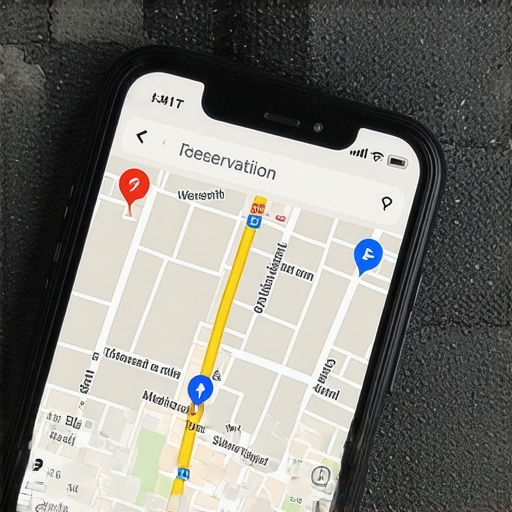
Remember, mastering these tools requires consistency. Set monthly reminders to revisit your app permissions, update driver credentials, and evaluate your buffer zones. This proactive approach keeps your system resilient against unforeseen disruptions, ensuring you arrive safely and on time every time.
Brilliant Mistakes That Shaped My Journey to Punctuality
The hardest lesson I learned was that relying solely on technology, no matter how advanced, can’t replace human intuition and verification. I once trusted an app estimate during a storm, only to be stranded because my driver couldn’t deliver on time. That experience made me realize that pairing technology with personal checks—like confirming driver credentials or vehicle details—creates a more resilient plan. Additionally, I discovered that overconfidence in pre-bookings often overlooks last-minute variables, emphasizing the importance of real-time communication and backup arrangements. Finally, understanding that every delay isn’t a driver’s fault but sometimes an environmental factor made me more compassionate and proactive, fostering better relationships and better planning for future trips.”}{