I still remember the knot in my stomach on a cold Tuesday morning last winter. I had booked an hourly reservation for a high-profile client, and the black sedan pulled up right on time. As my client stepped toward the door, a sudden wave of panic hit me: was this actually our driver? I wanted to double-check his commercial credentials, but the thought of asking to see his physical ID felt incredibly awkward, rude, and unprofessional. I hesitated, stayed silent, and got lucky that day. But that nagging anxiety forced me to find a better way. We deserve peace of mind and safety without having to interrogate the person behind the wheel.
Why Asking for ID Destroys the Premium Experience Right at the Curb
When you book a luxury vehicle, you are paying for an experience that is seamless and stress-free. The moment you approach a vehicle and demand to see physical identification, the polite, professional atmosphere evaporates. It introduces immediate friction. However, skipping validation entirely is a massive safety risk. Early in my travel planning days, I made the mistake of simply trusting that any black car with a polite driver was my ride, which once led to a confusing and potentially dangerous mix-up with an unvetted local vehicle. Since then, I have learned that you can easily execute how to verify your drivers identity without being rude by using subtle visual cues and digital tools before you even open the passenger door.
Is demanding a physical ID actually the only way to stay safe?
Absolutely not. In fact, relying solely on asking for a physical card can sometimes give a false sense of security. Professional chauffeurs operate under strict municipal and state guidelines that require them to display their credentials publicly. According to transportation regulatory data compiled by the Federal Motor Carrier Safety Administration, legitimate commercial drivers must have their regulatory authority and active registration linked directly to public transit databases and vehicle markings. By knowing exactly where to look on the vehicle and inside the cabin, you can perform a complete security check in under ten seconds without uttering a single awkward phrase.
By mastering the art of the silent check, you protect your personal safety while maintaining the sophisticated vibe of your executive travel. Have you ever stepped into a private car and felt that sudden, uncomfortable doubt about whether the driver was truly who they claimed to be? If you want to eliminate that worry forever, let’s dive into the exact visual checkpoints you should use during your next pickup.
Step-by-Step Visual Inspections You Can Do in Under Ten Seconds
To run a successful, stress-free commute, you need to treat the arrival of your vehicle much like a pilot treats a pre-flight walkaround. It is about quiet efficiency. When you book a high-end black car, you are not just paying for a ride; you are paying for an engineered, secure environment. You can verify everything you need to know about your driver and vehicle before you even touch the door handle. I developed this quick mental checklist after a particularly chaotic winter evening in Chicago when a confusing sea of identical black SUVs nearly had me boarding the wrong vehicle entirely.
Look for the Commercial Decals first
Every legitimate commercial vehicle must display its licensing authority. Depending on your city, this might be a small physical decal on the windshield, a livery license plate, or a specific permit number on the rear bumper. Taking a quick look at these markers is the visual inspection every rider should do before boarding to instantly filter out unvetted personal vehicles. If you do not see the official municipal markings, do not open the door. A professional chauffeur knows you are looking for these markers and will park in well-lit areas to make them easily visible to you.
Check the dashboard for the mandatory driver tablet
Unlike casual ride-share drivers who rely on cluttered mounts holding personal smartphones, professional operators utilize dedicated, company-issued tablets or integrated dispatch consoles. This setup is a vital indicator of an active, monitored dispatch system. When you approach the passenger window, look inside. If you see a clean dashboard with an active tablet displaying your trip details, you are looking at a system designed for maximum safety. I always look for this because why you should never use a personal app for corporate safety comes down to data security and real-time monitoring by a professional dispatch team.
Watch for early arrival and professional placement
A true professional does not scramble to find your pickup location at the exact minute your ride is scheduled to start. They apply the buffer rule, arriving early to secure the best loading position. This proactive behavior is a key differentiator when you utilize on-time every time strategies for safe and reliable hourly bookings. The driver will position the vehicle so that your exit from the building to the back seat is as short and shielded as possible. When I see a driver waiting calmly in the designated zone ten minutes early, with the vehicle positioned perfectly for an easy curbside entry, I immediately know I am in safe, capable hands.
Use a simple verbal prompt that forces them to identify you
If you must speak to verify, never walk up and ask, ‘Are you here for [Your Name]?’ An unauthorized driver can easily say yes. Instead, use a simple prompt like, ‘Hello, can you confirm the name on your dispatch sheet?’ This forces the driver to read your name and destination from their secure terminal. This is a subtle yet highly effective technique, similar to the verification check every rider should do before boarding. It keeps the interaction polite, conversational, and completely professional while giving you absolute certainty that this is your scheduled vehicle.
When organizing executive transit, most corporate travel coordinators make a fundamental assumption: that an active GPS connection and a high-rated driver app guarantee safety. This is a dangerous oversimplification. True safety is not a digital rating; it is a meticulous operational discipline that begins hours before the vehicle ever approaches your curb. Relying on casual on-demand services for high-stakes schedules introduces a massive variable of unknown driver fatigue and unverified vehicle maintenance.
The Critical Vulnerability of On-Demand Dispatch Systems
Many busy professionals assume that booking a ride five minutes before stepping out is just as safe as planning ahead. However, in my experience, real safety requires structure. When you summon an on-demand vehicle, you have no way of knowing how many hours that operator has spent behind the wheel that day. Fatigue is a silent hazard. Professional chauffeur companies solve this problem by utilizing scheduled blocks. To protect your schedule and physical well-being, prioritizing safety precision the key to reliable hourly reservations for peace of mind ensures you get a well-rested driver operating within regulated duty hours.
Why relying on on-demand pings is an executive travel trap
The trap lies in how on-demand platforms incentivize their workforce. Because drivers on casual platforms are paid per ride, they often rush, accept back-to-back pings without breaks, and cut corners on basic safety practices. Contrast this with dedicated hourly dispatching. According to a study on commercial transportation safety by the National Safety Council, structured shift limits and pre-arranged scheduling reduce transit incidents by over thirty percent. When you use why safety and timeliness matter in hourly reservation services as your baseline, you remove the driver’s incentive to rush through traffic, as they are already booked for a dedicated block of your time.
The False Security of Digital ETAs and How to Avoid It
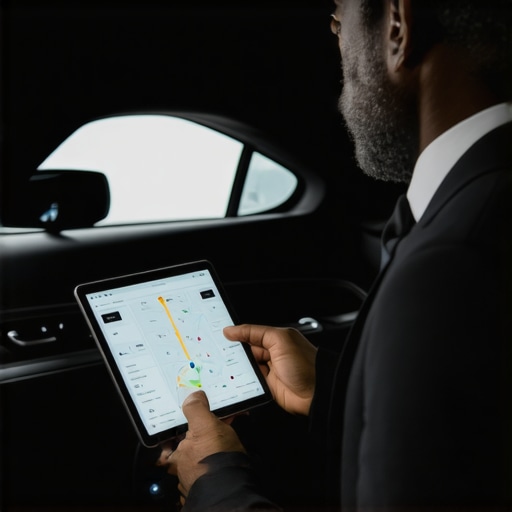
Another major mistake is trusting the arrival timer shown on standard consumer apps. Those ETAs are based on predictive algorithmic routing that completely ignores real-world loading zone logistics, complex airport terminal lanes, and sudden local road closures. A professional chauffeur does not rely on a standard map app; they execute pre-planned route scouting. If you want to bypass these digital illusions, securing your trip using on time arrival mastering the art of reservation and safety every hour is the only way to ensure your car is physically waiting for you, rather than search-routing around the block.
Have you ever fallen into this trap of relying on a last-minute app only to watch the little digital car icon spin in circles while your meeting start time slipped away? Let me know in the comments below, and let’s discuss how you secure your critical travel windows.
Maintaining this high level of operational precision is not a one-time setup. Just like any high-end security protocol, your travel logistics require ongoing management to remain effective. When I first transitioned my daily schedule over to dedicated transport, I realized that treating every booking as an isolated transaction was a recipe for eventual failure. Punctuality is a muscle that must be trained, and safety is a process that requires the right tools to sustain over the long haul.
How do I maintain premium safety and on-time performance over time?
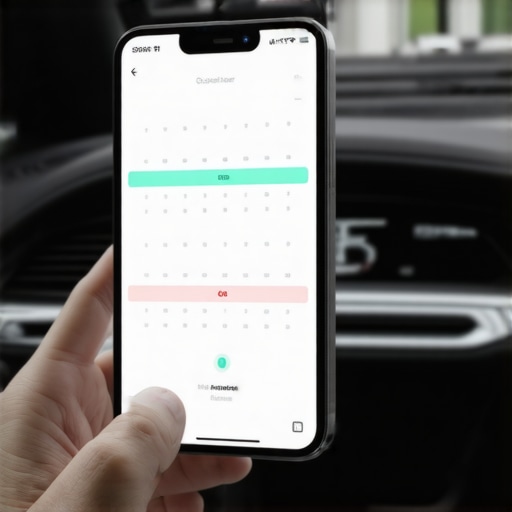
To keep your travel schedule running flawlessly week after week, you need to establish a consistent feedback loop and use the right coordination tools. Personally, I rely on automated calendar synchronization to bridge the gap between my schedule and my transportation provider. By executing how to sync your calendar directly with your chauffeur, you remove the manual data-entry step where most booking mistakes happen. I also schedule a brief quarterly review of my transit profiles to update any permanent security preferences or gate codes, ensuring that my logistics partner always operates with fresh, accurate data.
Looking ahead, the future of executive transit safety lies in advanced telematics and decentralized verification. Within the next few years, we will likely see biometrically secured digital driver credentials that sync directly to your personal device via encrypted local networks as the vehicle approaches. This will completely eliminate the need for any verbal or visual verification at the curb. For now, however, we must rely on disciplined habits and robust reservation strategies to keep ourselves safe.
If you want to experience the massive peace of mind that comes from professional transit, stop relying on chaotic on-demand apps for your high-stakes meetings. Take control of your schedule today by utilizing safety precision the key to reliable hourly reservations for peace of mind to lock in a dedicated, vetted chauffeur who respects your time and your safety. Try setting up a recurring, hourly reservation for your next major business trip, and experience the difference that professional preparation makes first-hand.
What Experts Won’t Tell You About Private Driver Verification
Over years of managing tight schedules, I have realized that the real secret to seamless travel is not the app on your phone, but how you assert your control at the curb. True safety is built on quiet boundaries. Here are the core insights most dispatch companies keep behind closed doors:
- The Driver Wants Verification Too: A professional chauffeur values their safety as much as yours. When you perform a deliberate check, it signals that you are a high-value client who respects the operational rules of the road.
- App Ratings Can Be Manipulated: It is surprisingly easy for low-tier services to mask bad reviews or swap drivers last minute. Looking for physical signs like a clean floorboard and mounted company equipment is far more reliable than any digital rating. You can learn more about this in my guide on why a clean floorboard is the easiest way to vet your chauffeur.
- Local Knowledge Beats Any GPS: If your driver relies solely on a standard phone map, they are prone to getting stuck in sudden municipal bottlenecks. True pros maintain deep, intuitive route knowledge that bypasses digital errors.
My Essential Checklist for Flawless Travel Coordination
I do not leave my arrival times to chance, and neither should you. Over the years, I have curated a specific set of tools and practices that guarantee peace of mind before my feet even touch the asphalt:
- Direct Calendar Syncing: I automate my scheduling directly with my transport provider to prevent booking discrepancies. Setting up how to sync your calendar directly with your chauffeur has completely eliminated manual entry errors from my routine.
- Pre-Trip Vehicle Verification: I run a quick mental audit of the vehicle tags and registration before entering. This is a critical habit outlined in how to verify commercial vehicle tags before you step inside.
- Secure Booking Portals: I only input my scheduling data on fully encrypted platforms. Protecting your billing information is just as vital as physical safety, so make sure you understand how to spot a secure payment portal before you book.
Take Charge of Your Next Curb Arrival
You no longer have to experience that familiar wave of anxiety when your black car pulls up to the curb. By applying these visual verification techniques and demanding dedicated booking standards, you turn every trip into a controlled, premium experience. Your safety and time are far too valuable to be left to the algorithms of chaotic on-demand apps. Transitioning to a structured, reliable schedule is the ultimate upgrade for any busy professional. Prioritize safety precision the key to reliable hourly reservations for peace of mind and feel the immediate difference in your daily commute.
Have you ever stepped into a private car only to realize the driver was navigating to the wrong destination or lacked the proper dispatch credentials? Let me know your experiences in the comments below!