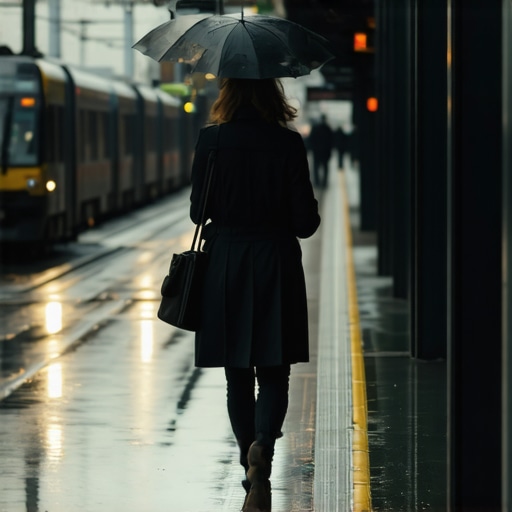
It was a cold, sleety Tuesday last November when my entire morning routine imploded. I had an incredibly important presentation at 9:00 AM. I woke up, glanced out the window at the dreary drizzle, and figured my usual twenty-minute drive would maybe take thirty. I didn’t adjust. I didn’t pre-plan. By 8:45 AM, I was trapped on the interstate in a bumper-to-bumper nightmare, watching the minutes tick away while my windshield wipers struggled against a sudden sheet of freezing rain. I walked into that meeting twenty minutes late, drenched in sweat and completely flustered. That humiliating morning was my wake-up call: relying on a static routine during bad weather is a recipe for disaster.
The Cost of Ignoring the Forecast on Your Drive
We like to think our daily transit schedules are set in stone. We leave at the same minute, take the exact same turns, and expect the same results. But the truth is, even a light drizzle can throw a massive wrench into local traffic patterns. When weather hits, human behavior changes instantly. Drivers tap their brakes more, minor fender benders spike, and suddenly the real reason transit schedules fail during rain becomes painfully obvious to thousands of stranded commuters. Adjusting your departure time isn’t just about avoiding stress; it is about preserving your professional reputation and ensuring your physical safety on unpredictable roads.
Is a weather-adjusted schedule really worth the extra effort?
I get it. Nobody wants to wake up thirty minutes earlier just because the local meteorologist predicts a bit of morning fog or light snow. You might wonder if it actually makes a measurable difference or if it is just paranoia. But according to data from the Federal Highway Administration, wet pavement alone causes nearly 70% of all weather-related car crashes. When you rush to make up for lost time in poor conditions, you dramatically increase your risk of an accident. My biggest mistake early on was thinking I could outsmart the delays with clever shortcuts. I learned the hard way that local shortcuts become just as clogged as the main highway. Booking a reliable ride or implementing the buffer rule that actually prevents tardy starts is the only genuine way to guarantee you arrive relaxed and on time.
Have you ever found yourself white-knuckling the steering wheel, desperately wishing you had left just ten minutes earlier? If you are tired of letting the morning forecast dictate your stress levels, it is time to build a smarter, highly adaptable routine.
How to Build a Bulletproof Weather Protocol
Surviving a chaotic commute when the skies open up is a lot like piloting a ship through a sudden storm; you do not wait for the waves to crash over your bow before you decide to adjust your course. To keep your schedule intact, you need a systematic approach that shifts you from a reactive state to proactive control. The moment you see a storm system on the horizon, your strategy must pivot to prioritize vehicle safety and precise arrival timing.
Why Hourly Booking Protects Your Schedule
When the elements are working against you, a standard point-to-point ride hailing service becomes a massive gamble. The demand spikes, pricing surges, and drivers cancel because they do not want to navigate the slow-moving gridlock. I experienced this during a terrible freezing rainstorm last January. I needed to get to three different business meetings across the city. Instead of trying to book individual rides in the freezing cold, I utilized an hourly service. Having a dedicated vehicle waiting for me meant I did not have to worry about getting stranded between stops, and it proved firsthand how hourly booking protects your schedule during conventions and severe weather events alike.
Secure a Guarded Window with Advanced Reservations
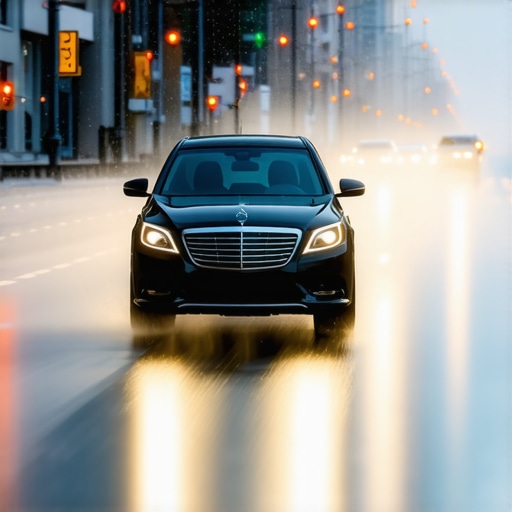
The secret to keeping your sanity is locking in your ride long before the first drop of rain hits the pavement. Many travelers fall into the trap of waiting until the last minute, hoping the storm will pass. If you want guaranteed punctuality, you must understand that ensuring safety first is your guide to on-time reservations at any hour. When you book early, professional dispatchers can allocate vehicles equipped for the conditions and assign experienced drivers who know how to handle slippery roads safely.
The Power of Local Road Knowledge Over Digital Maps
We have become dangerously reliant on GPS routing apps. However, during heavy downpours, digital maps often direct every single driver onto the exact same bypass road, causing instant gridlock. This is where professional road knowledge beats an algorithm every single time. Local drivers know which low-lying streets flood first, which intersections freeze over quickly, and how to navigate around major bottlenecks without relying on a lagging screen. Relying on an experienced local chauffeur guarantees that why on-time performance depends on local knowledge over GPS is a tangible asset to your travel plans, keeping you moving safely while others sit trapped on the highway.
Build an Unshakable Buffer into Your Morning Route
To completely remove the anxiety of bad weather, you must reprogram how you calculate travel time. A standard twenty-minute drive requires a different mathematical formula when visibility drops. Professional chauffeurs use a strict buffer zone, planning to arrive at least ten to fifteen minutes before the scheduled pickup. Adopting this philosophy ensures you never find yourself rushing, as why most on-time drop-offs start with a 10-minute early arrival is the ultimate truth of professional transit. This extra padding gives you a stress-free safety net, allowing you to walk into your destination calm, dry, and perfectly collected.
When you look closely at travel logistics, you realize most people confuse basic preparation with actual control. We are conditioned to believe that as long as we have a booking confirmation on our screens, our schedules are completely safe from the elements. But the reality of high-stakes travel during bad weather is far more nuanced than simply clicking a button on an app. To truly protect your schedule, you must look past the superficial promises of the gig economy and understand the deeper mechanics of professional transit.
The Illusion of the On-Demand Safety Net
Everyone says that on-demand ride-hailing apps are the perfect backup plan for a rainy morning because of their sheer fleet size. In my experience, however, relying on these services during a storm is a massive gamble. The fundamental flaw lies in their business model: independent contractors have no obligation to drive when road conditions deteriorate. When safety risks rise, drivers simply log off, causing wait times to skyrocket and forcing you into a corner. Believing that an app can summon a reliable driver in the middle of a torrential downpour is a dangerous misconception that frequently leads to missed flights and ruined meetings.
Why does the cheapest reservation compromise your safety in bad weather?
It is incredibly tempting to compare transit services solely on price, but doing so ignores the structural differences in how those services operate. According to a study by the Road Weather Management Program, winter weather and wet roads account for over twenty percent of all traffic delays annually, creating a chaotic environment where driver skill is your only real shield. Cheap reservation platforms survive by squeezing margins, which means they rarely invest in professional defensive driving courses or comprehensive vehicle maintenance checks. When you choose the lowest bid, you are often booking an unvetted driver in a vehicle that might have worn tire treads or faulty wipers. True protection comes from choosing services that prioritize rigorous maintenance and driver standards over rock-bottom pricing, illustrating the real cost of choosing the cheapest reservation available on dangerous roads.
The Trap of Flat-Rate Pricing on Gridlocked Days
Another common mistake is choosing a series of individual point-to-point bookings to save a few dollars over an hourly rate. During severe weather, meetings run late, traffic crawls, and schedules become entirely unpredictable. When you book point-to-point, you are constantly racing against a ticking clock, praying your driver doesn’t cancel when your meeting runs five minutes over. Transitioning to a dedicated vehicle eliminates this friction entirely. By securing a vehicle for a set block of time, you remove the stress of constant re-booking, showing how why hourly rates save more than money for business travelers who cannot afford to be stranded between appointments. It turns your vehicle into a mobile command center that adapts to the storm in real time.
Your Security is Only as Good as Your Reservation Link
In the rush to secure transportation before a major storm hits, many travelers overlook digital security. Phishing schemes and fraudulent booking platforms spike during periods of high travel demand and extreme weather. Desperate commuters will click on any link that promises an available car, leaving their personal data vulnerable. To avoid these traps, you must verify that you are booking through an encrypted, direct platform. Knowing how to confirm your secure booking link is using https is your first line of defense against cyber threats, ensuring that your payment and travel details remain private while you focus on navigating the weather safely.
Have you ever fallen into this trap and found yourself stranded or compromised during a storm? Let me know in the comments below.
Keeping a busy schedule running smoothly takes more than just a one-time fix. Over the years, I have realized that the real challenge isn’t surviving a single stormy morning commute; it is maintaining that high level of transit reliability month after month. Relying on luck or hoping the weather will cooperate is not a strategy. True logistical consistency requires the right setup, the right tools, and an unwavering commitment to a system that prioritizes your peace of mind.
How do I maintain scheduling accuracy over time?
To keep my transit logistics from falling apart, I treat my schedule like a piece of finely tuned machinery. Just as you wouldn’t skip an oil change, you shouldn’t let your travel protocols gather dust. I personally recommend using dedicated calendar integration software. By utilizing tools that automatically synchronize my meetings, I can easily how to sync your calendar directly with your chauffeur, eliminating manual entry mistakes entirely. Every Sunday night, I audit my upcoming week to ensure my buffers are realistic. Additionally, looking at real-world data helps keep expectation aligned with reality; the Bureau of Transportation Statistics consistently highlights how minor road incidents and systemic delays compound weekly, proving that proactive management is the only way to stay on time.
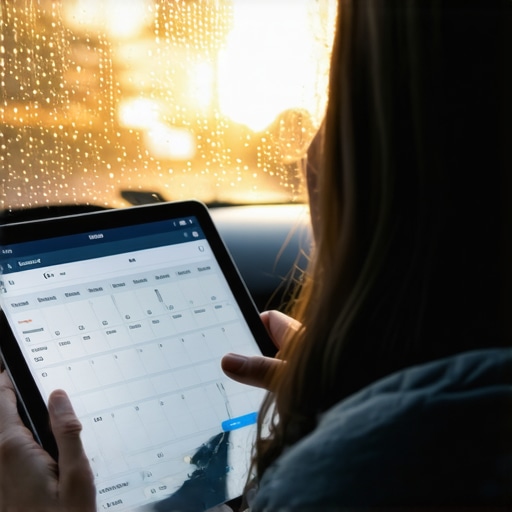
Looking ahead, the future of personal travel logistics lies in advanced predictive analytics. We are moving toward a world where smart scheduling software won’t just track the rain; it will cross-reference historical municipal flood data, current highway construction, and real-time driver availability to adjust reservation windows automatically. To prepare for this shift, you must start building smart habits today. Make the transition toward reliable, long-term travel habits by booking an hourly service for your next heavy-traffic day. Experience firsthand why safety and timeliness matter in hourly reservation services and take absolute control over your day.
When you look closely at travel logistics, you realize most people confuse basic preparation with actual control. We are conditioned to believe that as long as we have a booking confirmation on our screens, our schedules are completely safe from the elements. But the reality of high-stakes travel during bad weather is far more nuanced than simply clicking a button on an app. To truly protect your schedule, you must look past the superficial promises of the gig economy and understand the deeper mechanics of professional transit.
Crucial Lessons from My Most Expensive Commuting Disasters
- The Illusion of the Unlimited Fleet: When severe weather strikes, the biggest rideshare companies experience systemic driver shortages. The contractors simply stay home, rendering your “on-demand” backup option completely useless.
- Tires and Maintenance Matter More Than Tech: A slick app interface cannot stop a vehicle from aquaplaning. True transit security relies on meticulously maintained fleets, and choosing cheap alternatives often puts you in cars with bald tires, highlighting the real cost of choosing the cheapest reservation available.
- Punctuality Starts Ten Minutes Early: If you plan to arrive exactly on time, you are already late when the roads are wet. Real safety requires building a structured buffer zone where why most on-time drop-offs start with a 10-minute early arrival is the standard operating metric.
- Algorithms Do Not Know Local Potholes: GPS routing tools treat all lanes equally, whereas experienced local drivers know which specific underpasses flood during a heavy downpour, proving that why on-time performance depends on local knowledge over GPS is a massive scheduling asset.
My Essential Toolkit for Unpredictable Weather Days
To successfully navigate the worst morning commutes, I rely on a select list of trusted resources that go far beyond standard navigation tools. First, I use the MyRadar NOAA app, which offers high-resolution, real-time radar tracking that is far more accurate than generic weather widgets. For road conditions, I monitor the official state DOT (Department of Transportation) portals, which list active lane closures and flooding hazards before they show up on commercial maps. Finally, for my personal travel bookings, I utilize direct platform tools to how to sync your calendar directly with your chauffeur, keeping my schedule perfectly aligned with my transit team without manual intervention.
Take Back Control of Your Morning Schedule
You do not have to be at the mercy of sudden downpours, slippery highways, or skyrocketing surge prices. By transitioning from a reactive “order-on-demand” mindset to a proactive, structured reservation system, you protect both your time and your physical safety. The next time the forecast calls for rain, bypass the chaotic bidding apps and secure a professional vehicle. Experience firsthand why safety and timeliness matter in hourly reservation services and discover the profound peace of mind that comes with a bulletproof travel routine.
Have you ever had a critical business meeting or flight ruined by a sudden change in the morning weather? Let me know your story in the comments below.