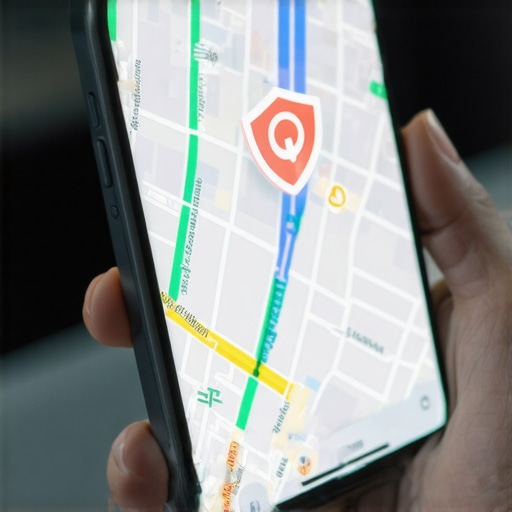
I stood on a rain-slicked curb in London three years ago, watching my phone screen as the driver icon for my confirmed ride flickered once and then vanished completely. Along with it went my $150 deposit. The website I used was gorgeous. It featured high-res photos of pristine SUVs and a verified badge that looked more official than my own passport. But when the clock struck midnight and the support line went to a dead dial tone, the reality hit me hard. I hadn’t just missed a ride; I’d been played by a digital ghost. That visceral gut-punch of being stranded and scammed is exactly why I’ve spent the last few years obsessing over how to tell the difference between a real chauffeur service and a high-end fraud.
Look Past the Pretty Pictures to Find the Truth
My biggest mistake early on was assuming that a polished user interface equaled a professional operation. I was so focused on ensuring safety first that I missed the subtle red flags hidden in the fine print. You have to know how to spot a sketchy ride booking site before you pay, because once the transaction is authorized, those funds are usually gone before you can even file a report. It’s a massive problem. In fact, according to the Federal Trade Commission, imposter scams resulted in a staggering $2.6 billion in losses in a single year, proving that even the most cautious travelers can be caught off guard. Today, I’m going to share the exact steps I use to verify a service in under sixty seconds, so you can focus on your trip instead of your bank statement.
Is it really that easy to fake a booking site?
You might think it takes a criminal mastermind to build a believable platform, but in the age of modern web design, a scammer can mirror a legitimate business in hours. They often use phishing attempts in your ride confirmation email to harvest more than just your fare; they want your data. I’ve seen sites that promise on-time arrival for prices that are literally too good to be true. If you aren’t spotting a secure payment portal before clicking buy, you are taking a massive risk. The key is to look for the safety and precision that only real, licensed operators provide. Have you ever felt that sudden wait a minute sensation while entering your credit card details on a new site? That instinct is usually right. Let’s dive into why your gut is your best defense and how to back it up with hard facts.
Stop Trusting the Pretty Email Templates
To avoid being left on the curb, you must treat your booking confirmation like a forensic document. Scammers are great at graphic design but terrible at technical consistency. Open your confirmation and look at the actual sender address. You can often find the hidden red flag in your booking confirmation email header if the ‘From’ field doesn’t match the company domain. I learned this the hard way in Chicago last winter. A driver pulled up in a black SUV that looked perfect, but when I asked to see his digital dispatch, the app he showed me was a static image—a total spoof. Knowing how to spot a fake ride confirmation before you step outside is the difference between a safe trip and a dangerous situation.
Verify the Payment Gateway Before the Transaction
Before you even enter your digits, check the URL bar for a padlock and ensure the site uses a reputable merchant processor. I always look for a redirect to a known secure layer because why modern reservation systems use encryption for your credit card isn’t just a tech buzzword; it’s your primary wall against identity theft. If the site asks for a direct wire transfer or a Venmo payment, run. You need to know how to spot a secure payment portal before you book to protect your financial footprint. 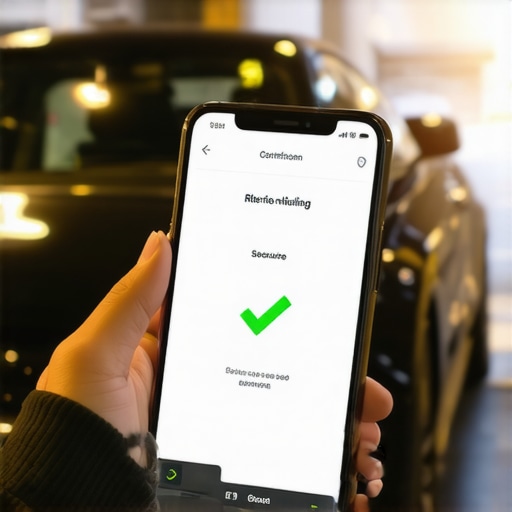
Verify the Commercial Permit Before You Open the Door
When the car arrives, the real work begins. Legitimate chauffeur services don’t hide their credentials. I make it a habit to check the rear window for a commercial livery sticker or a T&LC plate before the driver even pops the trunk. You must know how to identify a genuine commercial chauffeur permit on sight because a regular passenger plate means you aren’t covered by their insurance if something goes sideways. Look for the 3 red flags to watch for when your car arrives: mismatched license plates, a driver who refuses to show their ID, or a vehicle that smells strongly of air freshener used to mask poor maintenance.
The Tracking Test That Exposes Shadow Operators
Once you are in the car (or right before you board), check the live tracking link the company sent you. If the dot on the map is jumping erratically or lagging by more than a minute, it’s a sign they are using a cheap, third-party overlay rather than professional dispatch software. You should how to test the accuracy of your real-time tracking link by comparing it to your own GPS. If they don’t match, ask why. Sometimes the real reason your tracking link might be lagging is a simple signal drop, but often it’s because the service isn’t actually tracking the driver at all—they’ve just outsourced your safety to an unvetted freelancer. This manual verification takes less than a minute but ensures that your reservation remains a secure commitment rather than a gamble.Most travelers operate on the myth that a 4.9-star rating is an ironclad guarantee of safety. It isn’t. In my time on the road, I’ve learned that why background checks are only the baseline for professionalism is because they are reactive, not proactive. They tell you if a driver was caught in the past, not if they are currently pushing through a twenty-hour shift. This ‘fatigue trap’ is where most luxury apps fail you because they prioritize car availability over driver wellness.
Background checks aren’t the safety shield you think they are
If you want real security, you have to look for strategies for safe and reliable hourly bookings that include driver rest requirements. I once sat in a car where the driver’s eyes were glazing over despite his ‘Elite’ status on the app; now, I always check the log. It is a common mistake to assume that technology has solved the human element of risk. In fact, a study by the University of Michigan’s Transportation Research Institute found that navigation apps can underestimate urban travel times by up to 20% because they don’t account for the ‘micro-delays’ of city infrastructure. This is why the real reason your app’s ETA is often over-optimistic is usually built into the software’s marketing-driven code, not reality. 
Stop chasing the cheapest point-to-point fare
Everyone says point-to-point is the way to save, but in my experience, the math behind why hourly bookings save money during peak hours is undeniable once you factor in surge pricing and ‘wait time’ penalties. When you book by the hour, you aren’t just paying for a ride; you are paying for the driver’s loyalty and their refusal to ditch you for a higher-paying ‘ping’ nearby. This is a massive nuance that business travelers often miss until they are stranded during a rainy rush hour.
Does your driver know the ‘ghost exits’ when the highway locks up?
A professional knows that why on-time performance depends on local knowledge over GPS is the difference between making your flight and watching it take off from the taxiway. AI can’t see the local construction crew that just blocked a lane five minutes ago, but a driver with a local radio and twenty years of experience can. Have you ever fallen into this trap where the ‘on-time’ app left you standing in the rain while the driver was ‘stuck’ two blocks away? Let me know in the comments. Relying on an algorithm is a gamble; relying on a professional with an hourly commitment is a strategy.That strategy isn’t just a mindset; it’s a workflow. I’ve transitioned from being a passive passenger to an active manager of my own logistics by using a specific tech stack that bridges the gap between me and the driver. The first thing I did was learn how to sync your calendar directly with your chauffeur so that my schedule updates in their dispatch system the second my assistant moves a meeting. This eliminates the ‘oops, I forgot to call’ moment that leads to missed connections. If you aren’t doing this, you’re still living in the era of landlines and paper maps.
Stop manually typing your flight details
The biggest failure point in any travel day is the manual entry of arrival times. I now use tools like FlightAware to track the actual tail number of my aircraft, not just the flight number. Why? Because the flight number stays the same, but the physical plane might be stuck in a hangar three states away. By sharing the tail number with a professional service, you allow them to use the 12-minute rule for international airport pickups effectively. They see what the ‘official’ airport board doesn’t show yet. This level of safety and precision ensures you aren’t standing at a curb for forty minutes while your driver is stuck in a cell phone lot. 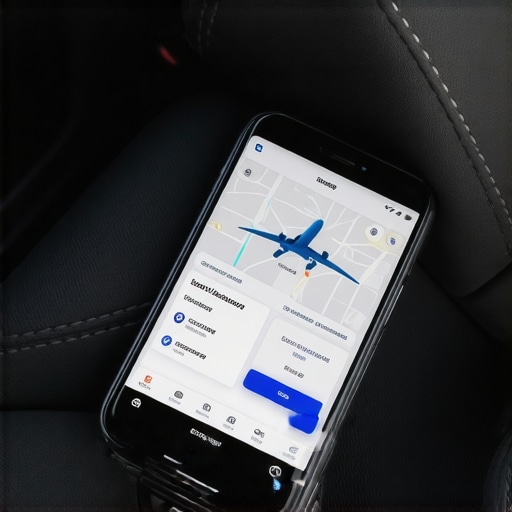
The professional toolkit for the frequent traveler
Beyond flight tracking, I maintain a strict protocol for staying secure and punctual. I use a dedicated folder in my email specifically for digital credentials. According to the National Limousine Association (NLA), firms that integrate real-time flight data with automated dispatch see a 25% higher rate of on-time arrivals during peak congestion windows than those relying on manual checks. This is why fixed schedules beat real-time AI during rush hour; the system isn’t guessing where the car is, it’s pre-allocating the asset based on hard data. When I’m on a tight schedule, I always check the accuracy test for modern live tracking links before I leave the lounge. If that link doesn’t update every five seconds, I’m on the phone with dispatch immediately.
How do I maintain this level of precision over years of travel?
The secret is consistency and scaling. Once you find a service that passes the tests I’ve mentioned, stop shopping for price and start building a profile. I’ve found why business executives prefer dedicated drivers for multi-stop days comes down to the ‘memory’ of the service. My regular drivers know exactly which gate I prefer and that I need the climate control at 68 degrees. In the near future, I predict we will see biometric integration where verified driver badges are tied to real-time wellness monitors to ensure the stealth way to confirm your driver is not fatigued is automated. For now, take control of your data. My challenge to you: for your next trip, ask your service if they can accept a calendar invite instead of a text. It’s the fastest way to see if they are professionals or just hobbyists with a nice car.
The Hard Truths About What Keeps You Safe on the Road
After years of navigating the gray areas of private transport, I realized that the price tag is the least important number on your screen. The real cost of choosing the cheapest reservation available isn’t just a potential delay; it is a compromise on your personal safety. I have learned that why most on-time drop-offs start with a 10-minute early arrival is because it serves as a diagnostic test of the company’s discipline. If they aren’t there early, they aren’t managing their fleet correctly. Another major shift in my mindset was moving away from the app obsession. I started to verify commercial vehicle tags manually because a digital icon on a map is just pixels, but a physical livery plate is a legal contract of protection.
Build a Travel Toolkit That Does Not Fail
You do not need a degree in cybersecurity to protect your data, but you do need the right habits. I never book without confirming the site uses high-level encryption. You should know how to spot a secure payment portal before you book to ensure your financial details do not end up on a dark-web marketplace. I also rely heavily on tools like FlightAware for tail-number tracking and Google Calendar for direct synchronization with my dispatchers. This is not just about being organized; it is about creating a paper trail that holds providers accountable. When you prioritize safety and precision, you transform from a potential target into a client who commands respect and professional service.
The Future of Your Stress-Free Arrivals
Stepping into a private car should feel like a relief, not a risk. By shifting your focus from the lowest price to the highest standard of verification, you reclaim the joy of the journey. Reliability is not an accident; it is the result of the small, consistent checks you have now mastered. Remember, on-time arrival is the baseline, but your peace of mind is the ultimate goal. I want you to feel empowered every time you hit that confirm button, knowing you have the tools to separate the professionals from the pretenders. Have you ever had a gut feeling that a ride was not right before you even opened the car door? Let me know in the comments below!