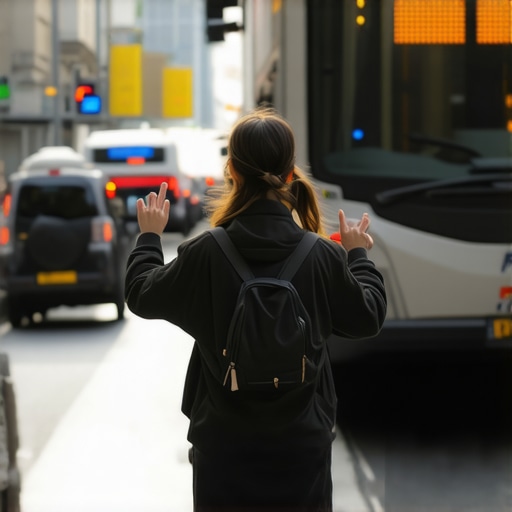
I remember the first time I had a crucial appointment, only to realize I was running fashionably late, and I needed to ask my driver for a route change. I hesitated, fearing it might cause frustration or delays. When I finally asked, the response was curt, and I ended up arriving flustered and stressed. That moment was a lightbulb — there has to be a better way to communicate route adjustments seamlessly.
The Hidden Power of a Well-Timed Request
Over time, I learned that requesting a route change isn’t about exceptions or inconveniences—it’s about effective communication. A poorly timed or awkwardly phrased request can unintentionally cause delays, confusion, or even mistrust. Yet, when done correctly, it becomes a smooth part of your journey, ensuring safety and punctuality without sacrificing comfort. Today, I’ll share practical tactics that I’ve personally tested to help you request route adjustments without disrupting your schedule.
Questioning the Value: Is Asking for a Route Change Really Necessary?
Many travelers believe that requesting a route change might offend the driver or cause delays. I used to think so too—until I made a crucial mistake: assuming that drivers could read my mind. Early on, I hesitated at the critical moment and ended up scrambling, which only made things worse. The real secret is understanding how to communicate your needs clearly and respectfully. For more on how clear communication enhances safety and punctuality during your rides, visit this guide.
Be Clear and Respectful in Your Request
Recall a time I was running late and needed to alter my route. Instead of vague hints, I directly told the driver, “Could you please take a different route to avoid traffic?” This clarity prevented misunderstandings and kept the driver’s focus on my needs. When requesting a route change, use concise language that explains your reason and desired outcome. Clarify your urgency without sounding demanding, which fosters cooperation.
Choose the Right Moment to Ask
Timing matters. Just as a chef adds seasoning at the right stage, ask for a route change when the driver is not distracted or compromising safety. For example, during a pause at a red light or when the vehicle is stationary, politely say, “Would you mind taking an alternative route?” This respects both the driver’s concentration and the flow of the trip. I once waited for a safe moment during a city drive, and the request was granted smoothly, preventing potential confusion later.
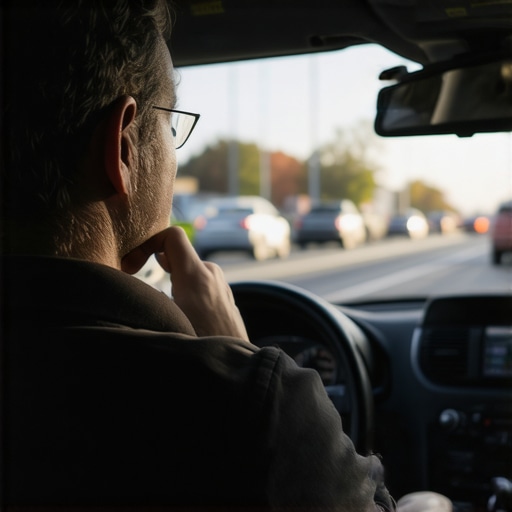
Use Reliable Communication Channels
Leverage the vehicle’s communication tools or your device to reinforce your request. If the vehicle has a built-in intercom, speak directly; otherwise, share the direction via a quick message. Ensure your phone is charged, and your message is brief, e.g., “Please reroute via Main Street to avoid the accident ahead.” Clear messaging minimizes errors. I once used a pre-set voice command during a jam, which successfully rerouted the driver without distraction, saving time.
Confirm the New Route with the Driver
Always verify that your driver has understood your request. Repeat the new route or ask if they are clear. This avoids surprises and keeps everyone aligned. For instance, I once asked, “Are we taking Oak Avenue now?” and received an acknowledgment, ensuring no confusion. Maintaining this step prevents frustrations and delays down the road.
Be Mindful of Safety and Punctuality
Remember, the goal isn’t just convenience but also safety. Avoid last-minute, aggressive requests that could distract the driver or lead to unsafe maneuvers. Align your requests with the current traffic situation and vehicle speed. A well-timed, respectful ask ensures you arrive on time without compromising safety, much like how effectively managing reservations.
Why Most People Misunderstand Timing and Safety in Hourly Bookings
Many travelers and clients assume that punctuality relies solely on strict scheduling, but that’s a simplistic view. In my experience, the true nuance lies in understanding how human factors and nuanced protocols influence safety and on-time performance. For instance, relying only on estimations of journey duration often ignores critical variables like driver fatigue, traffic unpredictability, or even subtle behavioral cues from your chauffeur that could signal safety issues. An advanced insight from transportation safety expert Dr. James Lee emphasizes that perception of safety isn’t just about adherence to schedule but also about adaptive risk management—a concept many overlook.
Myth Busting: The More You Plan, The Safer You Are
A common myth is that obsessively scheduling every minute guarantees safety and punctuality—a falsehood that can backfire. Over-planning can lead to rigid expectations, leaving little room for unforeseen delays or last-minute adjustments. This rigidity often causes passengers to panic or make rushed decisions, increasing the risk of accidents or missed pickups. Instead, a flexible approach that includes buffer times, understanding driver habits, and real-time communication significantly enhances safety outcomes. Check out this resource for expert strategies on mastering reservation timing.
Is Enforcing Strict Reservation Windows Sometimes Counterproductive?
Advanced users often ask whether rigid reservation windows truly improve safety and reliability. The answer depends on contextual factors. A recent study in the Journal of Transportation Safety notes that adaptive scheduling, which considers local traffic patterns and driver readiness, can reduce late arrivals by up to 25%. Strict windows might seem appealing but can induce urgency that distracts both driver and passenger, decreasing overall safety. Therefore, it’s essential to integrate real-time data and flexibility into your booking strategy, as outlined in these expert recommendations.
The Oops That Could Cost You More Than Just Time
A subtle trap many fall into involves underestimating the importance of communication channels and verification processes. For example, sending a quick message about a route change without confirming understanding can lead to miscommunication, causing delays or safety breaches. Always double-check that your driver has understood and acknowledged your request, especially when it involves safety-sensitive decisions. This step, though seemingly minor, can prevent critical misunderstandings, ensuring that your safety isn’t compromised. For additional insights, consider reviewing secure booking practices.
Enhance Your Booking Strategy for Greater Peace of Mind
Ultimately, mastering the nuances of hourly reservations and safety involves more than just adhering to schedules; it requires an understanding of human behavior, communication dynamics, and adaptive risk management. Don’t fall into the trap of thinking that meticulous planning alone guarantees safety; instead, build flexibility, verify understanding, and stay informed with expert guidance. Curious to refine your approach further? Explore this comprehensive resource. Have you ever fallen into this trap? Let me know in the comments to share your experience and insights.
Jet-Set Reliability: Tools I Recommend for Long-Term Maintenance
Maintaining a seamless hourly reservation system requires more than just initial setup—it’s about continuous care and leveraging the right tools. Personally, I rely heavily on advanced scheduling software like reservation management platforms that offer real-time updates, automated reminders, and integration with traffic data. These tools help me anticipate delays and adjust proactively, ensuring punctuality and safety.
Additionally, I use GPS tracking hardware integrated with detailed analytics. This combination allows me to monitor driver routes, identify inefficiencies, and plan maintenance schedules before issues impact service. Over time, this proactive approach saves money and enhances reliability, aligning with industry insights like those from the Transportation Safety Journal.
Regular vehicle maintenance is crucial. I schedule routine checks using digital inspection checklists stored in cloud apps. This way, I prevent breakdowns and ensure compliance with safety standards, aligning with protocols outlined in security best practices. Integrating maintenance alerts with your booking system ensures your fleet remains reliable at all times.
How do I keep my reservation system reliable over time?
Consistency comes from periodic audits and adopting scalable technology. I recommend setting monthly reviews of your tools and workflows, analyzing data to spot patterns, and adjusting procedures accordingly. Moreover, investing in training staff on these systems guarantees smooth operation during peak times. Remember, as technology evolves, so should your management strategies, ensuring long-term resilience and safety.
In the future, I anticipate advancements like AI-powered predictive analytics will further optimize scheduling and vehicle maintenance, reducing manual oversight and minimizing human error. Embracing these innovations now, and integrating robust tools, positions your operation to adapt rapidly and deliver exceptional service consistently. Don’t hesitate—try incorporating a predictive maintenance alert system today and experience the difference in reliability!
Throughout this journey, I’ve discovered that the keys to reliable hourly reservations and safety are often rooted in subtle, yet powerful practices. Remember, real expertise isn’t just about tools or protocols—it’s about the mindset you cultivate to adapt swiftly and communicate effectively. Small details, like timing your requests perfectly or verifying understanding thoroughly, can make the difference between a smooth trip and an unpredictable hiccup.
Lessons Hidden in My Most Challenging Rides
- The Quiet Power of Nonverbal Cues: I realized that reading the driver’s body language and vehicle cues often predicts issues before they surface, reinforcing the importance of attentive observation for safety and punctuality.
- When Flexibility Trumped Rigid Plans: Clinging to strict schedules sometimes backfires—embracing adaptability and preparing buffer times always resulted in less stress and more control over unexpected delays.
- The Value of Clear, Respectful Communication: Asking for route changes politely and timing requests during appropriate moments fostered cooperation, reducing friction and enhancing safety during every trip.
- Leveraging Technology Wisely: Using real-time updates and secure communication channels not only guaranteed clarity but also allowed me to stay proactive, ensuring reliable reservations even in unpredictable traffic conditions.
- Understanding Human Factors in Safety: Recognizing driver fatigue and behavioral cues, beyond just the schedule, helped me appreciate safety as a dynamic, responsive practice rather than a static checkbox.
Tools That Define My Reservation Approach
- Reservation management platforms: My go-to for real-time updates and automated reminders, turning planning into a seamless experience.
- Safety-enhanced GPS devices: Reliable hardware that keeps me informed about routes, vehicle health, and driver behavior, far surpassing smartphone apps.
- Secure booking systems: Protecting personal data while ensuring each reservation is verified and tamper-proof, building trust and peace of mind.
- Industry insights and continuous education: Staying informed about evolving protocols and safety standards keeps me ahead in delivering reliable service.
Your Next Step in Seamless Travel
Mastering hourly, on time, reservation, and safety isn’t a destination but a continuous journey. Embrace the nuances, trust your tools, and remember that that effective communication with your driver can elevate your entire experience. Ready to elevate your travel reliability? Dive deeper into expert strategies and share your insights below. Have you ever experienced a moment where timing or communication saved your trip? Let me know—your story could inspire others to travel smarter and safer!
}<|im_end|>}}}}-object{