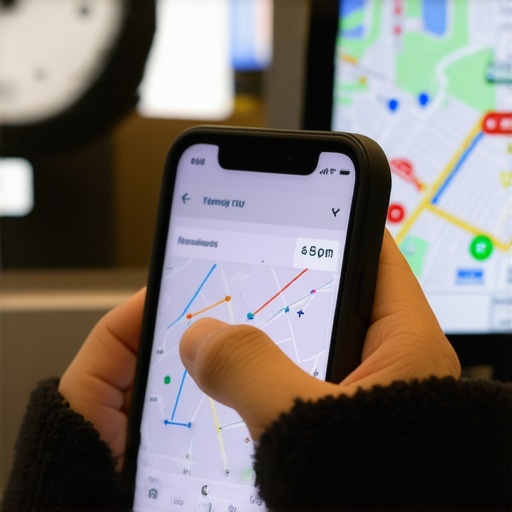
It was a typical busy morning, rushing to catch that crucial meeting. I glanced at my tracking app, hoping for a smooth update—only to see a suddenly delayed arrival time that made me panic. Was my driver lost? Had the traffic worsened? But then I realized something unsettling: I had just refreshed the app. And what followed was a frustration I didn’t see coming.
The Hidden Trap in Refreshing Your Tracking App
Ever felt the anxiety spike when your navigation or tracking app shows a later arrival time right after you hit refresh? You’re not alone. Many travelers and professionals like us rely heavily on real-time updates to plan their day, but what if that very action is misleading us? It turns out, refreshing your app can sometimes distort the actual situation, showing false delays or early arrivals that misrepresent reality.
This phenomenon isn’t just minor inconvenience; it can impact safety, punctuality, and peace of mind. I learned this the hard way early in my travel routine, assuming that refreshed data was always more accurate. Instead, I was, unknowingly, trusting a system that can sometimes provide outdated or inaccurate information.
In today’s post, I’ll uncover why this happens and how to avoid falling into the trap of false timing—so you can stay confident that your reservations and arrivals are truly on schedule.
Skeptical? Think Refreshing Surprises You
I used to think that hitting refresh was the way to get the latest updates, but I made a costly mistake early in my career. I didn’t realize that certain apps cache data or prioritize server efficiency over real-time accuracy, leading to discrepancies. If you’re like me, you may have experienced sudden changes in estimated times without explanation, fueling unnecessary stress. That’s why verifying the reliability of your tracking methods is essential. Want to learn how to ensure your app’s data aligns with reality? Check out our guide on why safety and timeliness matter in hourly reservation services.
Next, we’ll explore practical strategies on how to interpret app data correctly and safeguard your punctuality, regardless of what your screen tells you. Stay tuned—getting this right could be a game-changer for your safety and peace of mind.
Verify Data Before Acting
During a busy morning, I learned this lesson firsthand. Instead of blindly trusting my app’s estimated time, I cross-checked the reservation details with the service’s official website or customer support. This quick step saved me from entering a late booking that would have disrupted my plan. Always compare app estimates with verified sources to confirm accuracy, especially before making important commitments. For more safety insights, see our safety guide.
Blend GPS Data with Local Knowledge
Relying solely on GPS can be misleading, especially in areas with poor signal or frequent traffic changes. I once faced a situation where the GPS directed me through a congested route, increasing my transit time. To avoid this, I used local knowledge—asking hotel staff or consulting recent updates on traffic apps—to confirm the best route. Think of GPS as a map, but local insights as a seasoned guide that knows the shortcuts and detours. Incorporate both for optimal precision; learn more at our comprehensive strategies.
Set Communication Protocols with Your Service
Effective communication prevents surprises. I established a protocol—sending a quick message an hour before pickup and requesting driver confirmation. In one instance, this prevented a missed connection when my driver was delayed. Clear, consistent communication ensures everyone is aligned, reducing the risk of timing errors. For detailed methods, see our reservation security tips.
Use Buffer Times to Cushion Delays
Always add buffer time to your schedule. On a crucial business trip, I scheduled pickup 20 minutes earlier than necessary. Despite unexpected traffic, the driver arrived on time, and I reached my meeting relaxed. Think of buffer times as insurance—protecting you against unpredictable delays. The key is to understand typical traffic patterns and adjust accordingly; discover more at our buffer strategy.
Monitor Real-Time Updates Without Overrefreshing
Constantly refreshing your app can cause confusion by showing outdated information. I once kept refreshing, only to see my estimated time fluctuate wildly, increasing my stress. Instead, I set a schedule—check the app every 10 minutes—and relied more on communication with the driver or service. This approach prevents anxiety and ensures trust in the data. For more tips on managing updates, check our advice.
While many believe that punctuality in hourly reservations hinges solely on accurate estimates and real-time tracking, the reality runs much deeper. A common misconception is that trusting app estimates equals guaranteeing safety and on-time arrival. However, this oversimplification overlooks the nuanced interplay of data accuracy, driver reliability, and contextual variables that influence safety and timeliness. Relying solely on app readouts can be a costly mistake because apps often cache data or have delays in updating, leading to mismatched expectations. For instance, studies from the Institute of Transportation Studies indicate that GPS-based data can lag by several minutes in urban environments, especially during congestion or signal loss, which could cause you to underestimate delays and compromise safety.
Let’s dig deeper—have you ever fallen into the trap of assuming an app is always correct? The key lies in understanding that perfect synchronization between technology and reality isn’t guaranteed. Advanced users understand that integrating multiple strategies, such as verifying reservation details through direct communication with the provider, monitoring local traffic updates, and setting buffers, enhances both safety and punctuality. This layered approach prevents the pitfalls of over-reliance on imperfect data sources, reducing the chance of late arrivals and unsafe situations. For example, cross-checking an app’s estimated arrival with a direct confirmation from your driver ensures accuracy, a strategy highly recommended in professional transport protocols.
Another overlooked nuance involves the importance of driver familiarity with local conditions. Even with the most reliable apps, drivers unfamiliar with current traffic patterns might choose suboptimal routes, risking delays. Some expert companies recommend empowering drivers with local knowledge through dedicated communication channels, further safeguarding safety and on-time performance. Moreover, setting clear expectations around buffer times is essential; a rigid schedule without flexibility increases vulnerability to unforeseen issues. Incorporating buffer times effectively ‘insures’ your plan against delays, as detailed in our article on [the buffer time formula for city travel](https://privatedriverpro.com/the-buffer-time-formula-for-city-travel-that-actually-works).
In essence, the real mastery of punctuality and safety in hourly reservations is not just about monitoring live data, but about understanding its limitations and complementing it with proactive strategies. By doing so, you move beyond the myth that technology alone guarantees perfect timing. Want to learn more about how to integrate these advanced practices? Check out [our comprehensive guide on ensuring safety and punctuality at any hour](https://privatedriverpro.com/ensuring-safety-first-your-guide-to-on-time-reservations-at-any-hour). Remember, the devil is in the details—master them, and you’ll safeguard both your schedule and safety.
Have you ever fallen into this trap? Let me know in the comments.
Maintaining a seamless and trustworthy reservation system requires more than just choosing the right software; it involves strategic planning, effective tools, and consistent practices. I rely on a combination of robust hardware, reliable software, and proactive monitoring to guarantee that my operations stay on track. One of my go-to tools is a dedicated GPS device paired with a secondary mobile app that provides real-time updates, ensuring I have multiple data sources to cross-reference. This redundancy is vital because, as experts at PrivatedriverPro emphasize, relying on a single data stream can leave you vulnerable to inaccuracies stemming from signal loss or app lag.
On the software side, I use a reservation management platform that integrates with mapping services and communication tools. This integration automates dispatching, sends automated reminders, and tracks driver compliance in real-time. Regularly updating this software ensures compatibility with the latest traffic data and security protocols, reducing potential hiccups. For long-term results, I schedule routine audits—quarterly reviews of my system’s performance and adherence to safety standards. This includes verifying driver certifications, vehicle maintenance logs, and backup plans.
Another essential element is cultivating a team of trained staff and drivers who understand the importance of protocol adherence. Regular training on safety, punctuality, and communication equips everyone to act swiftly when unexpected issues arise. Automation can handle most scenarios, but human judgment remains key, especially for adjusting schedules or handling emergencies. Looking ahead, I predict advancement in AI-powered predictive analytics will further enhance dependability, allowing systems to anticipate delays before they materialize—potentially preventing even the earliest warning signs of failure.
How do I maintain reliability over time?
Consistency in tools and routines is fundamental. I ensure that hardware like GPS units is regularly serviced, software is kept up to date, and backup communication channels are always operational. Additionally, I advocate for transparency with clients about possible delays and proactive communication, which builds trust and allows for better contingency planning. To optimize safety and punctuality, I follow detailed protocols outlined in our reservation tips. Incorporating these practices ensures my system remains resilient, even amid unpredictable traffic or external disruptions.
Looking forward, emerging technologies like 5G and IoT sensors will enable even more precise real-time monitoring and automatic adjustments, making long-term maintenance easier and more effective. Staying ahead means adopting these innovations early and continuously refining your process based on data and experience. As always, testing your tools regularly, training your team thoroughly, and maintaining clear communication channels are the keys to ongoing success. For those ready to elevate their system, I recommend integrating a secondary backup tool—like a dedicated satellite tracking device—to add an extra layer of security and ensure uninterrupted service continuity, even in signal-challenged environments. Want to learn more about fine-tuning your reservation process? Dive into our detailed guide and start applying these advanced strategies today.
As I reflect on my journey towards flawless hourly reservation management, what stands out are lessons learned the hard way—lessons that transformed my approach from reactive to proactive. These insights aren’t found in typical guides but stem from real-world experiences that shaped my understanding of safety and punctuality in private reservations.
Secrets That No One Told Me About Punctuality and Safety
- Trust, but Verify: Relying solely on app estimates can be misleading. Cross-check reservation details with direct communication and local knowledge to sidestep surprises.
- Buffer Is Your Best Friend: Adding strategic buffer times isn’t just good practice—it’s essential for safeguarding against unpredictable delays without stress.
- Layered Data Strategies: Combining GPS data with real-time traffic updates and driver confirmation creates a safety net that filters out false alarms and outdated info.
- Local Insights Outperform Technology: Even the most sophisticated apps can’t replace local knowledge—consulting with your driver or staff can save minutes, or even lives.
- Consistent Protocols Are Security: Regular communication and clear expectations reduce misunderstandings, ensuring your journey remains safe and on schedule.
Tools and Ideas That Changed My Approach
- Dedicated GPS Hardware: Using specialized devices alongside mobile apps ensures redundancy and improves reliability—trust me, it’s worth the investment.
- Reservation Management Platforms: Automating dispatches and updates with integrated software minimizes human error and enhances security.
- Routine System Audits: Regular reviews of your processes and equipment keep your reservation system resilient against new challenges.
- Training and Protocols: Educating your team on safety standards and emergency procedures is as vital as the technology itself.
Your Next Step Toward Excellence
Applying these insider lessons isn’t just about punctuality—it’s about empowering yourself with confidence and ensuring safety in every reservation. The future of reliable hourly bookings lies in continuous learning, integration of technologies, and maintaining strong human connections. Embrace these principles, and you’ll turn reservations from a source of stress into a cornerstone of peace of mind.
What’s the biggest challenge you’ve faced with reservation safety or timing? Share your stories below—I’d love to hear your experiences and tips!