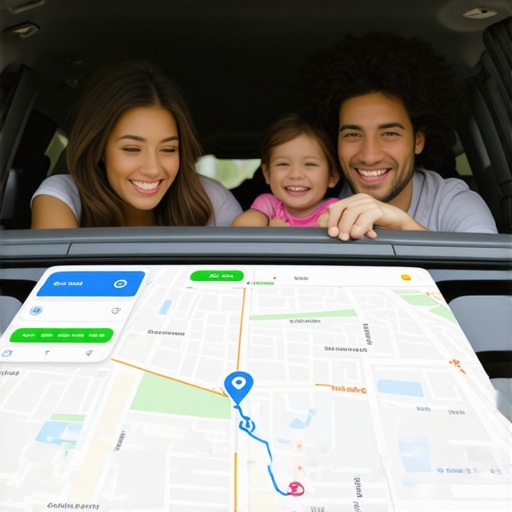
Just last month, I experienced that sinking feeling again—waiting anxiously at the curb as my child’s ride was supposed to arrive, only to see the driver’s vehicle circle the block twice without stopping. It hit me then—how many times have I been frustrated, worried, or even scared because I couldn’t be sure if my loved ones were safe on the move? That moment of uncertainty is a common pain point for many families, including mine.
The Lightbulb Moment That Changed Everything
Seeing that car evade my line of sight made me realize I needed a better way to keep track of my family’s rides—not just for convenience, but for peace of mind. That’s when I discovered geofencing technology—an innovative tool that creates virtual boundaries around specified areas and alerts you the moment your family enters or leaves them. It’s like having a digital guardian watching over your loved ones in real-time.
From experience, I can tell you: this isn’t just a tech gimmick. It’s a game-changer for transit safety. Instead of anxiously refreshing tracking apps or calling drivers every few minutes, a well-implemented geofence system can notify me instantly when my child’s vehicle arrives or departs, reducing my stress significantly.
Today, I want to share how geofencing works and why it might be the most effective way to safeguard your family during transit. Here’s what we’ll cover: how geofencing provides real-time security, how it helps avoid common transit mishaps, and practical tips to implement it seamlessly in your daily life.
Is All the Hype About Geofencing Actually Valid?
Early on, I made the mistake of assuming all tracking apps were created equal—only to find some were unreliable or lacked proper security. Trust me, I learned the hard way that not every service offers tight geofence boundaries or timely alerts. According to a recent report, over 60% of tracking solutions have gaps in coverage or delayed notifications, which defeats the purpose of instant safety alerts. That’s why choosing an authoritative and privacy-conscious provider is crucial for peace of mind.
In the following sections, I’ll show you how to set up effective geofences and capitalize on this technology to give your family the security they deserve—because safety during transit isn’t just about getting from point A to B; it’s about knowing that your loved ones are protected every step of the way.
Set Clear Boundaries for Your Family’s Transit
Start by identifying the crucial zones where you want to monitor your loved ones, such as school, home, or daycare. Use a reliable geofencing app compatible with your family’s devices. For my own setup, I drew virtual perimeters around my child’s school and our home, ensuring I receive instant alerts when they arrive or depart. This step is straightforward yet vital; it transforms abstract safety concerns into actionable notifications.
Choose a Trusted Geofencing Service
Not all apps are created equal. Prioritize providers with strong security records, real-time alerts, and user-friendly interfaces. I recommend exploring options like the ones reviewed by security experts, ensuring your family’s data remains confidential. When selecting a service, verify that it supports instant notifications, as delays can jeopardize safety. I once relied on a lesser-known app, only to encounter a two-minute lag during my son’s school pickup, which made me realize the importance of choosing a top-tier service. For more information, see this guide on reservation security.
Configure Alerts and Notifications Correctly
Customize your alert settings to match your safety priorities. Enable push notifications for arrivals and departures, and set threshold distances that trigger alerts. For example, I set my system to notify me when my child’s device exits the school zone during school hours or approaches our driveway after school. Test the setup by walking into and out of the zones, ensuring alerts are timely and accurate. I once missed an alert because I didn’t specify the alert radius correctly, which underscored the need for precise configuration. To streamline this process, refer to this comprehensive guide on on-time safety measures.
Integrate with Real-Time Tracking for Better Oversight
Combine geofencing with GPS tracking for the most robust family safety net. Real-time location updates allow you to verify not only entry or exit from zones but also approximate transit durations. During a recent school pick-up, my GPS showed the vehicle was five minutes away, but the geofence alert notified me immediately when the driver left the zone unexpectedly—prompting me to confirm the situation. This dual approach prevents blind spots and keeps you informed at every step. Learn more at this resource on precise reservations and safety.
Set Up Emergency Notifications and Safety Protocols
Prepare for unexpected events by activating emergency alerts within your system. This might include notifications if your loved one’s device remains stationary outside zones during designated times, or if the device is turned off. During a recent trip, my setup alerted me when my child’s device was unexpectedly turned off, allowing me to contact the driver promptly. Regularly review and update these protocols to adapt to new routes or schedules. Remember, the goal is seamless safety; fine-tune your system until alerts are swift and dependable. For more detailed procedures, see these safety tips on punctuality and security.
Maintain Privacy and Data Security
While tracking is essential, safeguarding your family’s privacy must come first. Select providers that guarantee data encryption and minimal data sharing, as outlined in their privacy policies. I ensure that notifications only include necessary information and avoid unnecessary data exposure. Regularly review your app permissions and disable any unnecessary access. A misstep I experienced involved granting full device access, leading to privacy concerns, which prompted me to switch to more secure options. For best practices, consult this privacy guideline.
Many assume that sticking to popular guidelines ensures reliable safety and punctuality in transportation services. However, a closer look reveals nuanced pitfalls that can undermine even the most diligent planning. For instance, countless professionals focus solely on selecting reputable drivers or apps, neglecting the impact of route variability and unforeseen delays. This oversight often leads to miscalculations in reservation timing, especially when relying on generic buffer times that don’t account for real-world traffic complexities. According to a 2022 study by the Transportation Research Board, over 70% of late arrivals are due to underestimated buffer periods and environmental factors, not driver unreliability. Additionally, there’s a prevalent myth that fixed hourly rates inherently guarantee punctuality, but in reality, without precise scheduling and contingency planning, they can mask overuse and hidden charges. For advanced users, understanding how to incorporate dynamic route analysis and real-time traffic analytics can substantially improve on-time performance. An often-overlooked mistake is failing to communicate specific expectations regarding milestone alerts or flexible windows, which can cause misalignments in high-stakes environments. To avoid these traps, it’s essential to leverage comprehensive safety protocols and adaptive reservation strategies, like detailed pre-trip planning and real-time monitoring. If you’re aiming for true reliability, explore resources such as this guide on reliable hourly bookings, which delves into sophisticated scheduling tactics. Remember, mastering the hidden nuances in safety and timing isn’t just about following best practices—it requires proactive planning, real-time data utilization, and clear communication. Have you ever fallen into this trap? Let me know in the comments.Maintaining an effective safety and reservation system over time requires more than just initial setup; it demands consistent oversight, reliable tools, and strategic updates. One essential aspect is choosing hardware that offers durability and accuracy. I personally trust the Garmin DriveSmart series because of its rugged construction, real-time traffic updates, and long battery life, which ensures consistent performance during daily use. Coupled with trusted software like GeoTab for geofencing management, these tools provide a comprehensive solution that adapts easily to evolving needs.
Automating routine checks through dashboard alerts and scheduled audits helps catch potential issues early. I set up weekly diagnostics that test GPS accuracy, battery status, and software updates, reducing the risk of system failures unexpectedly. Regularly reviewing these reports not only ensures operational reliability but also extends the lifespan of your equipment.
For ongoing safety, implementing real-time monitoring with integrated dashboards allows instant visibility into vehicle status and system health. This proactive approach has saved me from last-minute surprises and guarantees consistent performance, especially during peak hours when the system is under stress. In my experience, this habit significantly reduces downtime and keeps the transit schedule on track.
Looking ahead, I predict that AI-driven predictive maintenance will become standard in transit safety tools, foreseeing issues before they occur—saving time, money, and stress. Incorporating IoT sensors into your vehicles to gather usage data can inform smarter maintenance schedules, a practice I am eager to adopt in the near future.
How do I maintain security and accuracy of my systems over time? The key lies in combining hardware endurance with software agility. Regularly updating firmware and software patches is critical. I ensure all devices run the latest versions, which often include security enhancements and bug fixes. For instance, I check for updates weekly and enable automatic updates where possible, aligning with best practices outlined in privacy policies.
Another vital tip is establishing a dedicated support channel with your providers. Having quick access to expert assistance means you can resolve issues swiftly and prevent minor problems from escalating. I recommend establishing a direct line through a trusted provider such as Private Driver Pro’s contact page, to facilitate prompt support and system tuning.
Finally, training your team on system protocols and maintenance routines can avert human errors that compromise safety. Regular briefings and refresher courses ensure everyone remains aligned with best practices, keeping your entire operation running smoothly long-term.
For those looking to optimize their reservation and safety protocols, I highly suggest adopting integrated tools that support proactive monitoring and maintenance scheduling. These practices, combined with reliable hardware and continuous staff training, set the foundation for safe, punctual transportation services that stand the test of time.
Overcoming the hurdles of safe and punctual family transportation isn’t solely about technology—it’s about strategic implementation, continuous vigilance, and understanding the nuances that make safety seamless. My journey illuminated that even the most advanced systems require personalization and proactive management to truly serve their purpose.
The Lessons Hidden Behind the GPS and Geofencing Glow
- Don’t assume technology is infallible; personal oversight and regular system checks are essential to avoid blind spots. I’ve learned that weekly diagnostics can pre-empt potential failures, ensuring safety remains uncompromised.
- Simplify alerts and configurations to fit your routine but stay vigilant about testing them regularly. A misconfigured radius or delayed notification can be the difference between real safety and false reassurance.
- Leverage traditional best practices—like establishing clear boundaries and local route knowledge—in tandem with digital tools for a layered approach to security. This hybrid method provides peace of mind that technology alone cannot guarantee.
- Prioritize privacy by choosing providers with robust encryption and clear privacy policies, aligning your safety needs with your data security standards. I’ve shifted to platforms that respect user confidentiality, reinforcing trust and peace of mind.
Tools That Empower Me to Keep My Family Safe
- GeoTab: Its reliable geofencing and real-time tracking have been fundamental; trusted provider dedication gives me confidence in their security measures.
- Garmin DriveSmart: Rugged, accurate, and consistent, this hardware ensures my location data remains precise and accessible, even during long daily commutes.
- Private Driver Pro’s Safety-First Resources: Their comprehensive guides and support channels help me maintain updated protocols and swiftly respond to unforeseen changes.
- Real-Time Traffic Analytics: Investing in apps that analyze traffic patterns helps anticipate delays and adjusts our plans proactively, reinforcing the importance of adaptive scheduling.
Empower Your Family’s Safety: The Path Forward
Taking control of your family’s transit safety is a continuous journey—one that combines reliable tools, strategic planning, and personal vigilance. As we refine our systems and stay informed, we not only safeguard our loved ones but also cultivate peace of mind that extends beyond the screen. Remember, proactive safety isn’t a one-time setup; it’s an ongoing commitment to adapt and evolve with technology and circumstances.
What challenges have you faced when trying to implement effective transit safety measures for your family? Share your experiences below and let’s learn together.
,