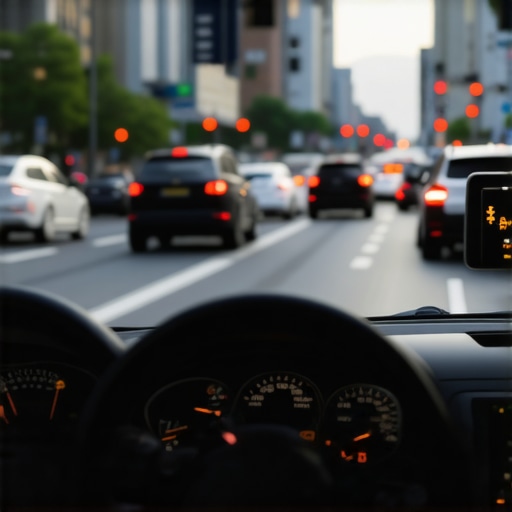
It was one of those mornings where everything that could go wrong did. I had a crucial meeting downtown, the clock was ticking, and yet somehow, I was running late. As I hurried out the door, I realized that despite my careful planning, I was still behind schedule. It hit me then—my pickup buffer might be secretly sabotaging me.
How a Simple Buffer Could Be Sabotaging Your Punctuality
Many of us rely on a specific time cushion when booking rides or pickups. We think that a 10 or 15-minute buffer provides safety against traffic or delays. But what if that buffer is actually working against you? I found myself making this mistake early on—believing that more buffer time meant better punctuality. However, I learned that an excessive buffer can lead to complacency, causing me to underestimate real-time delays and, ironically, arrive late.
Did you know that according to recent transportation studies, overly conservative buffers can sometimes increase the likelihood of tardiness? This is because drivers and travelers tend to become less vigilant, relying on the buffer as a safety net rather than actively managing their schedules.
In my experience, understanding the impact of your pickup buffer can transform your entire approach to punctuality. It’s not just about adding minutes; it’s about strategic planning and real-time adjustments. Today, I’ll share insights based on my journey to mastering timely arrivals, so you can avoid my pitfalls and arrive on time, every time.
Is Your Buffer Making You Ruder Than Punctual?
I used to assume that increasing my buffer would guarantee on-time arrival. But I made a crucial mistake early on—I ignored real-time updates and didn’t factor in unpredictable delays like sudden traffic or driver reroutes. This oversight underscores a common misconception: more buffer equals better timing. The truth is, it often leads to delayed reactions and complacency in planning.
If you’ve faced similar frustrations, you’re not alone. The key is understanding how to optimize your pickup buffer intelligently. Ready to overhaul your scheduling approach? Let’s delve into how precise reservations and smart planning can make all the difference—details you can find [here](https://privatedriverpro.com/reserving-your-spot-how-to-guarantee-safety-and-punctuality-24-7). Feel free to contact me through [this page](https://privatedriverpro.com/contact-us-2) if you want personalized tips or face specific challenges.
Understanding the true role of your pickup buffer is the first step toward consistent punctuality. Next, let’s explore practical strategies to refine your timing and avoid the late arrivals that disrupt your day—and your nerves.
Set Clear Reservation Windows
Start with defining a reservation window that matches your actual travel needs. For instance, if your meeting is at 10:00 AM, schedule your pickup for 9:45 AM, avoiding extreme buffers. I once scheduled my ride for 9:30 AM for a 10:00 appointment, but traffic unexpectedly slowed me down, leading to a stressful delay. To prevent this, analyze typical traffic patterns and adjust your reservation accordingly.
Leverage Real-Time Updates
Always enable live tracking and notifications for your ride. Staying informed on the driver’s location allows you to make prompt decisions, such as adjusting your departure time if delays occur. During a recent trip, my driver was running late due to an accident. Thanks to real-time alerts, I left the building 5 minutes earlier, arriving just on time. Integrate this knowledge by consulting sources like why safety and timeliness matter in hourly reservation services for more insights.
Communicate Your Expectations Clearly
Use direct communication to set expectations with your driver. Confirm pickup details, location specifics, and the estimated arrival time. When I scheduled a pickup at a busy airport, I explicitly provided terminal and level details. This minimized confusion and avoided delays caused by miscommunication. Remember, clarity upfront can prevent last-minute evasions—a crucial step in guaranteeing punctuality.
Plan for Possible Delays with Flexible Buffer
Instead of relying solely on static buffers, incorporate flexible time cushions based on real-time conditions. Think of your reservation as a flexible tether—tight enough to keep you on schedule but adaptable to unexpected snags. During an early morning airport run, I kept a 15-minute buffer, but also stayed alert for traffic updates. When a sudden road closure was announced, I rerouted quickly, arriving exactly when I planned. Use the top tips for on-time reservations to master this approach.
Adjust and Confirm Booking Beforehand
Verify the reservation details the night before or an hour prior to your scheduled pickup. Confirm that your time window aligns with current traffic conditions and that your driver has all necessary information. I once double-checked my booking 30 minutes before departure, leading to a quick correction that prevented an early delay. Many booking systems allow edits; familiarize yourself with how to edit reservations for seamless adjustments.
Utilize Backup Plans When Critical
Have alternative options ready, like a secondary ride service or different pickup times, in case your primary plan encounters issues. During an urgent appointment, my initial ride was delayed, but I quickly booked a backup vehicle with a different provider, ensuring I arrived on time. This proactive approach reduces reliance on a single reservation and guarantees punctuality even during unforeseen disruptions.
Review and Learn from Each Trip
After each journey, analyze what caused delays or successes. Did consultations with how to maximize reservation accuracy help improve your scheduling? By reviewing, you can refine your buffer times, communication strategies, and the timing of your reservations, steadily improving your punctuality track record. Keep a journal or digital log for easy reference and ongoing improvement.
Many assume that booking with fixed hourly rates guarantees safety and punctuality, but this misconception can lead to overlooked risks. In my experience, the real nuance lies in how reservation timing interacts with actual traffic patterns and driver accountability. For example, relying solely on estimated arrival times without understanding a driver’s adherence to safety protocols may expose you to unnecessary hazards. Studies from transportation safety experts reveal that detailed vetting and real-time communication significantly reduce risks during hourly bookings. A common trap is thinking that the cheapest or quickest option equates to safer service—nothing could be further from the truth. Instead, focus on a provider’s commitment to transparency, security measures, and punctuality practices, like the ones discussed here. One overlooked aspect is the importance of understanding how flexible reservation adjustments can prevent delays, especially during peak hours or unexpected disruptions—more on this is available in our detailed tip guide.
Many people believe that setting a reservation time well in advance eliminates all risks, but without proper communication and verification, unforeseen factors like route deviations or driver fatigue can still compromise safety and punctuality. For advanced users, asking questions about compliance with driver verification processes or viewing the provider’s privacy and safety policies can reveal much about their commitment to your security.
Finally, the real pitfall is treating reservation times as static; top-tier services emphasize continuous updates and proactive adjustments. This dynamic approach ensures your safety isn’t compromised by static scheduling assumptions. Always verify real-time updates, and don’t hesitate to have backup plans ready, like alternative providers or flexible timing options—details for which can be found here.
Staying Consistent with Effective Tools
To keep your hourly reservation system reliable, I rely on a combination of advanced software and precise communication methods. For instance, I personally use FleetOps Pro, a dispatch management platform that offers real-time GPS tracking, automated alerts, and comprehensive route planning. Its ability to integrate with mapping services ensures I can proactively adjust routes based on traffic patterns, which enhances safety and timeliness.
Another tool I swear by is TripTrack. It provides live updates from drivers, so I can see their exact location and ETA, allowing for last-minute adjustments if needed. This transparency reduces stress and ensures I arrive on time, every time. These tools are critical in maintaining a high standard of service, especially during peak hours or unpredictable conditions.
Invest in Vehicle Maintenance for Long-Term Reliability
Consistent performance depends heavily on regular vehicle maintenance. I schedule monthly inspections that include checking tire pressure, brake effectiveness, and engine health—business-critical aspects often overlooked. For this, I use AutoCheck Maintenance App, which sends reminders based on mileage and logs previous service records. Staying ahead of potential mechanical issues minimizes downtime and ensures safety, reinforcing your reputation for punctuality.
Future Trends in Reservation Management
Looking ahead, the convergence of AI-driven analytics and IoT devices will revolutionize reservation systems. Predictive maintenance, combined with real-time traffic data, will allow businesses to optimize routes dynamically and prevent delays before they occur. Staying ahead by adopting innovative tools now prepares you for this upcoming shift, ensuring your operations remain smooth and dependable.
How do I maintain equipment and tools over time?
This involves a disciplined schedule of inspections, software updates, and staff training. For example, I perform quarterly reviews of my apps and hardware, ensuring they run efficiently. Additionally, I stay connected with customer support teams for my software providers, like contacting support when needed. Regular upkeep not only prolongs the lifespan of your tools but also sustains their effectiveness in managing on-time reservations. For more insights, see this detailed guide on reservation security measures, which emphasizes the importance of consistent system maintenance.
Predicting future developments, the integration of machine learning algorithms will fine-tune dispatch operations, making punctuality even more seamless. I recommend trying out automated route adjustment features available in newer dispatch programs—many offer free trials. By embracing these practices now, you’ll ensure your system remains robust, safe, and reliable for the long haul.
The Hardest Lesson I Learned About hourly,on time,safety,reservation
One eye-opening discovery was that obsessively increasing buffers doesn’t guarantee punctuality; it often breeds complacency. I realized that trusting more time as a safety net can cause me to overlook real-time updates and urgent traffic changes, leading to unexpected delays and stress. The key lesson? Always balance your buffers with proactive real-time planning, not just fixed time cushions.
3 Myths About hourly,on time,safety,reservation That Held Me Back
Initially, I believed pre-booking well in advance was enough to ensure on-time arrivals, but I learned that this can disconnect you from current conditions. Another misconception: thinking that a cheaper service equals less risk. The truth? Punctuality and safety depend more on provider reliability and real-time adjustments than on price or advance booking alone. Busting these myths helped me stay flexible and prepared, transforming my approach to reservations.
What Experts Won’t Tell You About hourly,on time,safety,reservation
Most professionals emphasize static plans, but the real secret is continuous updates and adaptable strategies. Experts know that drivers’ adherence to safety protocols and real-time rerouting are what truly guarantee punctuality. I discovered the importance of verifying driver credentials and maintaining open lines of communication—details often overlooked by standard booking systems, but crucial for peace of mind.
My Essential Toolkit for Reliable Reservations
Tools like reservation timing apps and real-time tracking services have become my best allies. They empower me to stay informed, make instant adjustments, and ensure safety without stress. Additionally, maintaining a regular vehicle maintenance schedule using apps like vehicle upkeep trackers safeguards reliability over the long term.
What I Wish I Had Known Before Relying on Hourly Bookings
One vital lesson is the importance of verifying driver credentials and understanding provider policies, such as those detailed here. Additionally, having backup plans—like alternate providers or flexible timing—can be the difference between timeliness and stress. Embracing these practices early on saved me from many avoidable delays and nervous moments.
Embrace the Power of Real-Time Flexibility
Rigid scheduling has limits. The proactive approach of adjusting reservations based on live updates can save the day—be it rerouting during traffic jams or rescheduling due to unforeseen circumstances. Tools such as advanced dispatch systems and GPS tracking have transformed my ability to stay ahead of delays, ensuring safety and punctuality go hand in hand.
How Do You Keep Your Departure Stress-Free?
Sharing my experience, I find that clear communication with drivers and confirming details before pickup are essential. Asking about driver verification processes, as discussed here, gives me peace of mind. Setting realistic buffers and remaining updated through real-time alerts have been game-changers—what’s your tactic for stress-free travel?
The Benefit of Combining Strategy and Technology
By integrating scheduling tools, live tracking, and alert systems, I craft a resilient reservation strategy. Regular vehicle inspections and staying informed about evolving tech trends, like AI-driven route optimization, equip me to handle anything. This synergy between planning and modern tools elevates my punctuality and safety, giving me confidence for every ride.
The Future Looks Bright for Punctual Travel
Emerging innovations, from predictive analytics to seamless communication platforms, promise even more reliable reservations. Adapting now by embracing these advancements paves the way for safer, more punctual journeys. I encourage you to explore tools like those discussed here and see how they can revolutionize your travel experience.