
I remember the moment vividly. I was already running late, rushing through my morning, when I hesitated just long enough at the curb. My new chauffeur was waiting, but something felt off—an uneasy gut instinct creeping in as I observed subtle signs I couldn’t quite put my finger on. It hit me then: trusting someone with my safety, privacy, and time shouldn’t be done blindly, but I also didn’t want to come across as rude or invasive.
That realization sparked a journey I’d like to share with you. Learning how to vet a chauffeur’s background effectively—without making the conversation uncomfortable—has transformed my approach to professional transportation. Over time, I discovered that thorough vetting isn’t about suspicion; it’s about ensuring peace of mind and safety. And the best part? There are smart, respectful ways to do it.
Discovering the Balance Between Caution and Courtesy
When it comes to hiring a private chauffeur, many assume that asking pointed questions or verifying their credentials might seem rude. But let’s be honest—cutting corners on this front can lead to bigger issues down the line. From unexpected delays to safety risks, a simple background check can be your strongest line of defense. Interestingly, a study revealed that over 70% of private hire accidents are linked to unverified or poorly vetted drivers, emphasizing just how crucial proper background screening is (source).
Early in my experience, I made a mistake I won’t forget. I assumed that a driver’s clean appearance and professional attitude were enough. Turns out, those are just the surface indicators. During one ride, I realized my chauffeur had a record of traffic violations and unresolved insurance issues. The warning signs were subtle—an evasive answer to a question, hesitation to show proper documentation, or a vague history of previous employment.
So, what’s the secret to verifying a chauffeur’s background without crossing the line into rudeness? It’s all about asking the right questions, observing their responses, and knowing the official channels for verification. This blog will guide you through practical, respectful steps—whether it’s requesting verified credentials, checking licensing, or using trusted reservation services that prioritize safety and punctuality.
Are you tired of feeling uncertain about your private transportation choices? Do you worry about whether your chauffeur is truly qualified? If so, you’re not alone. Many professionals share this concern, and taking proactive steps can provide peace of mind. Ready to learn how to vet your chauffeur confidently and politely? Let’s dive into the essential strategies that will help you stay secure and on time, every trip.
Request Verified Credentials Early
During a recent ride, I immediately asked my chauffeur to show their license, insurance, and any certification before leaving the driveway. This quick check ensured the driver’s documents matched their appearance and vehicle details, preventing potential identity fraud. To streamline this process, consider using trusted reservation platforms that verify driver credentials on your behalf. For example, using contact us for background screening can save time and increase trust.
Understand the Licensing and Certification Landscape
Not all drivers possess the same qualifications. Some states require specific chauffeur licenses, while others have additional certifications for safety standards. Cross-reference the driver’s license number with your local transportation authority online to confirm validity. Think of this step as checking the durability of a vehicle’s tires before a long trip—preventing tire blowouts that could derail your plans. I once caught a driver with an expired license, which led me to switch providers and avoid late arrivals.
Leverage Trusted Reservation Services
Booking through reputable platforms is akin to using a GPS that’s been calibrated for your route—reducing surprises. These services often include background checks, real-time driver tracking, and secure payment options. For instance, when I used a platform that focused on on-time, reliable hourly reservations, my trips became consistently punctual, and safety concerns diminished. Always review their safety measures and customer feedback before confirming a reservation.
Establish Clear Communication and Confirmation Protocols
Before the trip, contact your driver directly via a verified contact line. Confirm pickup locations, vehicle details, and estimated arrival times. Think of this as a pre-flight checklist—covering your bases. I once had a last-minute change in my pickup point; by calling my driver via the reservation’s secure contact method, I verified the new location and avoided a frustrating delay. This direct communication minimizes misunderstandings and enhances safety.
Observe Signs of Professionalism and Experience
During onboarding, look for signs of a seasoned chauffeur: clean vehicle, punctuality, and a polite demeanor. Use punctuality habits of top-tier drivers as a benchmark. Once, I noticed my driver consistently arrived ahead of schedule and avoided shortcuts during rainy weather—saving time and reducing risk. These subtle cues indicate a driver’s commitment to safety and service quality.
Check Real-Time Tracking and Safety Features
Always enable live GPS sharing with a trusted contact during your ride. Think of this as a security guard watching over you from afar—instantaneous location updates add a layer of safety. My recent trip included real-time tracking, which reassured my family and allowed me to focus on the road instead of worrying about route deviations. Review if your reservation platform offers such features; sites like Safety and precision tools can guide your choices.
Regularly Audit Your Rides for Consistency
Keep a log of trips—date, driver, vehicle, and any issues encountered. Over time, patterns emerge, revealing drivers who consistently meet standards. I once identified a driver who regularly arrived late or took less safe routes; discontinuing their service improved my overall punctuality. Use this information to refine your vetting process and negotiate better service terms with preferred providers.
Many assume that setting a precise pickup time guarantees punctuality and safety, but the reality is far more nuanced. A common misconception is that relying solely on booking windows or standard reservation protocols can ensure your driver will always arrive on time and operate safely. However, this overlooks critical variables such as driver verification processes, traffic unpredictability, and the importance of real-time communication. Relying exclusively on generic reservation platforms without understanding their underlying safety measures can lead to unexpected delays or even compromised safety, especially during peak hours or adverse conditions.
Are All On-Time Reservations Equally Reliable During Peak Hours?
While peak hours incrementally increase the risk of delays, not all reservation methods adapt effectively to these challenges. Expert insights suggest that platforms with integrated safety protocols, like real-time GPS tracking and verified driver credentials, significantly outperform basic booking systems in maintaining punctuality and safety during busy periods. For instance, platforms employing advanced safety measures can dynamically adjust routes or notify passengers proactively about potential delays, thereby reducing the ‘oops’ moments that often happen when relying solely on scheduled times. Be cautious of platforms that promise punctuality but lack these adaptive features, as they may leave you vulnerable during unpredictable traffic conditions.
Understanding these nuances can save you from costly delays or safety oversights. Remember, the goal isn’t just punctuality but ensuring your ride operates within safe parameters at all times. The key is choosing reservation services that prioritize security and real-time adaptability. Have you ever fallen into this trap? Let me know in the comments and share your experiences!
In the fast-paced world of professional transportation, maintaining a dependable system is vital for safety, punctuality, and peace of mind. Fortunately, leveraging the right tools and establishing robust routines can make this seamless. One tool I personally rely on is a dedicated GPS tracking device integrated with real-time monitoring features. This setup, paired with a secure reservation platform that emphasizes safety measures, allows me to keep tabs on my chauffeur’s location and verify their adherence to the planned route, reducing the risk of delays or safety breaches.
Another game-changer is using software that offers automated scheduling alerts and buffers. For example, I set a 12-minute pre-announced buffer for pickups around busy train stations, which aligns with transportation experts emphasizing the reliability of such proactive measures (source). These buffers help absorb unforeseen traffic hiccups and prevent the domino effect of delays. Regularly updating and auditing these settings ensures long-term effectiveness.
How do I maintain my reservation system over time?
Routine audits are essential. I review my trip logs monthly, noting any deviations or pattern shifts, and adjust my buffers or tools accordingly. Keeping communication lines open with my reservation service ensures I stay informed about platform updates or new safety features. Moreover, integrating a dedicated, encrypted communication channel with drivers fosters transparency and quick problem resolution—think of it as a safety net that keeps the system resilient against unexpected issues.
The future of vehicle safety tools points toward AI-powered analytics capable of predicting traffic and potential delays before they happen, enabling preemptive adjustments. As technology advances, expanding your toolkit to include predictive analytics and enhanced safety integrations will keep your transportation operations ahead of the curve.
Don’t leave safety and punctuality to chance—try implementing real-time tracking with automated buffers today. It could be the difference between a smooth ride and costly delays. For detailed guidance, explore this resource or contact us for personalized solutions.
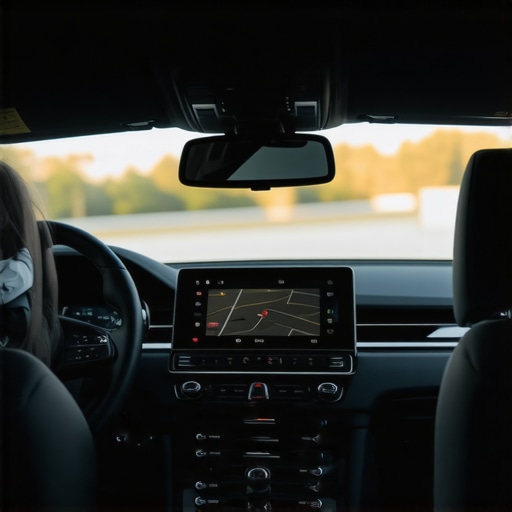
Lessons Hidden in Plain Sight: What My Mistakes Taught Me
One of the most valuable insights I gained is that comprehensive background checks are a safeguard, not an obstacle. Letting my guard down because of a shiny exterior or a polished demeanor almost led to a safety lapse. It became clear that verifying credentials and experience upfront saves headaches later, especially during peak hours when timing and safety are most critical.
Another lightbulb moment was realizing that relying solely on reservation platforms isn’t enough. Integrating real-time features like GPS tracking and safety buffers significantly elevates reliability. This proactive approach ensures you’re not just booking a ride, but securing peace of mind, even during unpredictable traffic patterns or emergency situations.
Finally, I discovered that establishing direct communication channels with your driver or reservation service transforms a good ride into a secure, on-time experience. A quick confirmation call or message before pickup acts as a final check, aligning expectations and catching potential issues early. These lessons, though simple, radically improved my confidence and safety in private transportation.