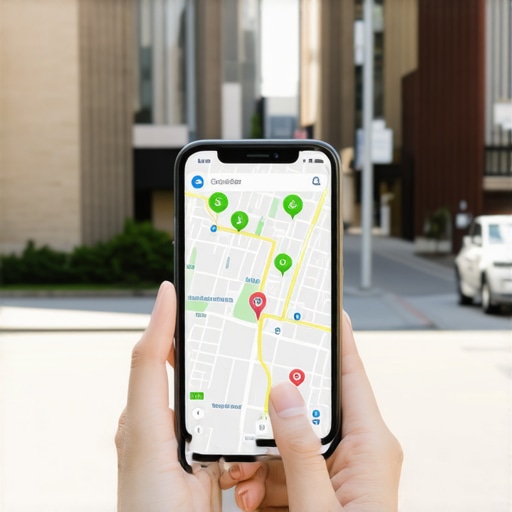
I remember the moment vividly—the ride was supposed to arrive in five minutes, but I could see on the app that my driver was still miles away. Feeling frustrated, I realized something was off. The real-world delay wasn’t just on my end; it was the tracking app playing catch-up. The inconsistency left me questioning whether I could rely on these tools during critical moments like catching a flight or ensuring safety during late-night rides.
Why Tracking Apps Often Miss the Mark
One of the most common yet overlooked issues with location services is latency—those pesky delays between actual position and what the app shows. This isn’t just a minor glitch; it can impact your safety and punctuality. Believe it or not, some studies suggest that GPS signals can experience delays of up to several seconds, especially in urban environments with tall buildings or poor signal conditions (source: Private Driver Pro). For someone relying on precise timing—like making a virtual meeting after a commute—those seconds matter.
Have you ever faced a situation where your app made it seem like your driver was stuck in traffic, only for you to arrive early with no issues? That’s a classic sign of lag, and it’s more common than you might think. Early on, I made the mistake of trusting the real-time map blindly, ignoring other signs of progress. That mistake cost me valuable minutes and a little trust in the technology I thought was foolproof.
So, what causes this lag? It’s often a combination of data processing delays, network congestion, or outdated GPS information. But the good news is, recognizing these issues is the first step towards fixing them and ensuring you arrive on time and safe. Curious about practical steps to improve your reservation experience? Keep reading—I’ll walk you through how to avoid common pitfalls and optimize your app for accuracy.
For more tips on ensuring safety and punctuality, check out this comprehensive guide that covers everything from booking wisely to verifying your driver’s credentials.
Set Clear Reservation Parameters
Begin by defining your specific needs—exact pickup and drop-off points, preferred vehicle type, and timing windows. Always verify these details directly in the app before confirming, as ambiguities can lead to mismatched pickups. I learned this the hard way when I assumed a short 10-minute window was enough for a late-office pickup, but unclear details caused delays. Pinpoint your requirements precisely to avoid surprises and ensure consistency in arrivals.
Choose the Right Reservation System
Not all booking platforms are created equal. Opt for services that prioritize real-time updates and transparent communication. For example, using a platform with a proven track record of punctuality, like those emphasizing hourly reservations, minimizes lag or mismatched timings. This step is crucial; I once used an overburdened app during a snowy business trip, and delayed updates caused me to miss an important meeting. Selecting a reliable system safeguards your schedule and security.
Leverage Map-Sharing and Driver Communication
Activate live map sharing features once your trip begins. This allows trusted contacts to monitor your journey, providing an extra layer of safety. Additionally, communicate directly with your driver—confirm your pickup point and ask about route expectations. I usually message my driver a few minutes before arrival to clarify, which helps avoid confusion, especially in complex venues like airports. This dual approach enhances punctuality and peace of mind.
Implement Strategic Timing Buffers
Always add a buffer—typically 10 to 15 minutes—to your scheduled pickup. During peak hours or adverse weather, extending this buffer becomes essential. For instance, I booked an hourly ride to the airport, and inserting a 12-minute buffer allowed me to seat comfortably and avoid panic if traffic unexpectedly increased. This simple addition prevents Tardiness and ensures smoother transitions.
Monitor and Adjust in Real-Time
Stay attentive during the trip. Use your app’s tracking to observe progress, but do not rely solely on it—visual cues like traffic lights, gradual signal strength improvements, or driver communication often tell a more accurate story. If delays loom, proactively inform your driver and explore rerouting options. During a recent ride, noticing slow progress, I contacted the driver, who rerouted around congestion, saving valuable time and avoiding stress. Real-time monitoring is about responsiveness, not just passive observation.
Secure Your Data and Payment Details
Always use secure, trusted apps for reservations. Regularly update your app and check privacy settings to prevent data breaches. I use dedicated virtual cards for ride payments, reducing the risk of fraud. This way, even if a platform faces issues, my primary financial information remains protected. When booking for hourly services, prioritizing security measures like encryption can’t be overstated — more details are available at this resource.
Confirm Before the Trip and Keep Contact Open
Double-check all reservation details 10 minutes before pickup—vehicle type, driver identity, and route plan. Maintain open lines of communication, and save driver contact info separately from the app for emergencies. I routinely call the driver a few moments before arrival to verify identity and clarify last-minute details. These steps protect against misidentification or last-minute discrepancies, ensuring safety and punctuality.
While many believe that simply booking an hourly or on-demand ride guarantees punctuality and safety, the truth is more nuanced. One widespread myth is that real-time GPS tracking alone ensures your driver will arrive exactly on schedule. However, these systems are often affected by latency—delays caused by network issues, urban canyons, or data processing times—which can lead to misleading arrival estimates. Relying solely on these tools without understanding their limitations can be a costly mistake, especially during critical moments like catching a flight or attending a formal event.
Is Trusting Technology Enough for Safety and Punctuality?
Many assume that advanced apps and tracking systems eliminate all risks. Yet, studies show that even the best GPS signals can experience delays of up to several seconds in challenging environments, which could mean the difference between arriving on time and missing an appointment. An often-overlooked nuance is that driver behavior and route knowledge play a crucial role; professional drivers tend to rely on their familiarity with traffic patterns rather than solely on GPS data. This insight underscores that technology is a tool, not a foolproof solution. For smarter reservation planning, consider combining real-time tracking with proactive communication and strategic buffers, as advised in this guide. Do not fall into the trap of overconfidence in automation—your safety and schedule depend on your awareness of these hidden variables.
Another common mistake is neglecting to account for the unpredictability of urban traffic or weather conditions. Many people fail to add sufficient timing buffers during peak hours or adverse weather, leading to late arrivals despite timely booking. Advanced travelers know that integrating buffers—typically 10-15 minutes—is essential. Furthermore, understanding that not all reservation systems are equal is critical; selecting platforms with real-time update capabilities and transparent communication mechanisms can vastly improve reliability, as discussed in this resource.
A subtle yet impactful mistake is assuming that an early or confirmed booking guarantees safety. However, driver vetting, vehicle maintenance, and route knowledge are vital layers of security. Overlooking these can turn a seemingly secure reservation into a risk. Leveraging features like driver background checks and direct communication can mitigate these dangers. Remember, safety isn’t just about arriving on time; it’s about controlling the factors you can and understanding the ones you can’t. For detailed precautions, take a look at this article.
In conclusion, let’s dispel a myth: technology alone does not make your ride perfectly punctual or safe. Real expertise involves understanding the limitations of your tools, preparing for the unpredictable, and actively managing communication and buffers. Have you ever fallen into this trap? Let me know in the comments, and stay one step ahead with these advanced reservation strategies!
How do I keep my reservation tools working smoothly over time?
Consistency is key when it comes to ensuring your reservation system remains reliable. I personally rely on a combination of high-quality hardware and specialized software to keep my scheduling accurate and secure. For example, I use a dedicated, encrypted smartphone for ride bookings, which minimizes data breaches and ensures my app runs without unnecessary interruptions. Regularly updating my device’s operating system and apps prevents compatibility issues that could cause delays or inaccuracies in real-time tracking.
Another crucial tool I recommend is a portable power bank. Nothing derails a scheduled pickup faster than dead batteries. I prefer models with fast-charging capabilities, like the Anker PowerCore, which keeps my devices powered during long days of back-to-back reservations. This small investment ensures that my apps stay online, and I can monitor or communicate with my driver at all times.
Invest in high-quality GPS hardware and reliable network connectivity
While most modern smartphones have excellent built-in GPS, I supplement this with dedicated external GPS receivers when precision is critical. These gadgets offer more stable signals, especially in urban canyons or underground parking lots, reducing lag and improving arrival times. Combining this with a multi-network SIM card (preferably one supporting 4G LTE and 5G), I avoid disruptions caused by network congestion or weak signals, which can cause tracking errors or delays.
Stay proactive with software updates and security measures
Regularly updating your reservation apps and security patches is essential. I schedule weekly updates for my apps and perform quick checks for new releases that fix bugs or add features like improved route suggestions or latency reduction. This proactive approach not only boosts functionality but also enhances safety by closing vulnerabilities.
Anticipate future trends in reservation technology
Looking ahead, I predict that AI-driven predictive analytics will become standard in reservation management. These tools will analyze your past trips to suggest optimal booking times, routes, and even suggest alternative providers during peak hours or outages. To stay ahead, I recommend integrating smart scheduling apps that support these features now—consider test-driving platforms that offer real-time analytics and automation.
Ask Yourself
Wondering how you can maintain your reservation system seamlessly over time? Consider investing in a dedicated device, securing a reliable power source, and staying vigilant with software updates. These small steps will pay off by reducing errors, ensuring safety, and maintaining punctuality. Don’t forget—check out this guide for more detailed maintenance strategies that keep your tools effective, long-term. Try implementing a routine for regularly verifying your hardware and software — it’s a simple yet powerful way to safeguard your scheduling reliability and peace of mind.
Overconfidence Can Lead to Blind Spots in Reservation Planning
My biggest mistake was assuming that technology would always be my reliable guardrail. Relying solely on real-time GPS and app estimates made me overlook the importance of personal vigilance and strategic buffers. The lesson here? No matter how advanced your reservation tools are, they can’t substitute for proactive planning and a keen awareness of your environment. This insight changed how I approach each reservation, making me double-check details and prepare for unforeseen delays.
The Real Value of Combining Tech with Human Intuition
While tracking apps are essential, I discovered that driver familiarity with local routes often surpasses GPS accuracy, especially in tricky urban landscapes. Engaging in direct communication and paying attention to visual cues often saves more time than relying solely on digital estimates. This balanced approach—melding technology with human judgment—has been my secret ingredient for on-time, safe arrivals.
Investing in the Right Tools Elevates Your Peace of Mind
From a personal perspective, investing in high-quality external GPS devices and securing reliable network connectivity has been transformative. These tools reduce lag and ensure my reservation details stay accurate, especially during critical trips like early morning flights or late-night pickups. The small upfront investment in proper hardware can yield significant dividends in punctuality and safety—something I wish I’d known earlier.
Don’t Underestimate the Power of Routine Maintenance and Vigilance
Consistently updating software, securing your devices, and verifying driver credentials go beyond initial safety measures—they form a routine that maintains reliability over time. My routine now includes weekly app checks, hardware tests, and a quick review of driver reviews. This disciplined approach helps catch issues before they escalate, ensuring my reservation experience remains smooth and secure.
Choosing the Right System Isn’t Just About Features—It’s About Confidence
My experience taught me that a platform’s reputation for transparency and responsiveness matters more than flashy features. Platforms emphasizing real-time updates, secure data handling, and responsive support give me the confidence to focus on my journey, not my worries. For those looking to upgrade their reservation strategy, trust-building with your provider is essential—see how this guide can help inform your choice.
Your Next Step: Turn Insights into Action
The journey toward flawless reservation, punctuality, and safety starts with awareness and deliberate habits. Embrace the lessons learned—validate, communicate, buffer—and watch your confidence grow. Remember, the most reliable reservation system is one you curate with attention and care. Want to share your own lessons or ask about best practices? Drop a comment below and join the conversation—your experience could be a guiding light for others looking to travel smarter and safer.