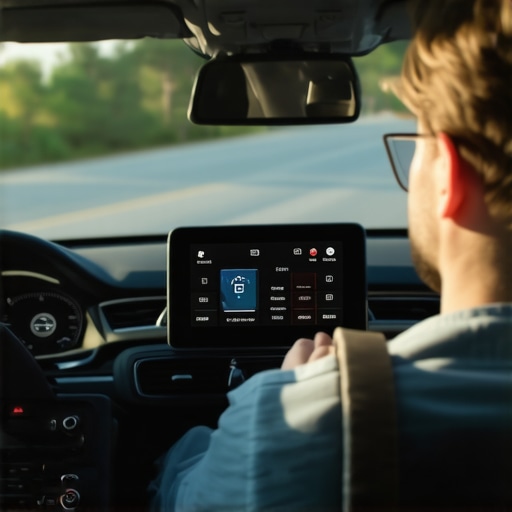
I once found myself pacing nervously in the airport lounge, watching the clock tick closer to my pickup time. That sinking feeling hit me—was my driver genuinely alert today? Moments like that remind me how crucial it is to have a simple, trusted way to verify my driver’s well-being before a ride. If you’ve ever experienced that insecure doubt—wondering if your driver is overworked or distracted—you’re not alone. It’s a common concern among frequent travelers and busy professionals alike.
Why Relying on Assumptions Won’t Keep You Safe
Many of us just assume our drivers are rested and alert, especially when booking through known services. But studies show fatigue impairs reaction time and decision-making just as much as alcohol does, increasing accident risk by up to 20% (source: National Safety Council). That’s a sobering fact which underscores the importance of proactive safety checks before you hit the road. Personally, I learned this the hard way early in my career when I ignored a quick verification and paid the price. Now, I always make it a point to confirm my driver’s resting state and alertness—it’s an extra step that pays off. Today, I’ll share how a simple dashboard check can give you peace of mind, ensuring your driver isn’t overworked and remains fully capable of delivering safe, on-time service.
Is Trusting a Dashboard Check Actually Worth the Hype?
In the beginning, I was skeptical—how much can a quick glance at a dashboard really tell you? But I soon discovered that each detail, from the driver’s previous hours to vehicle condition, paints a clear picture of their readiness. Early on, I made the mistake of dismissing these signs, thinking they were nitpicking. That oversight almost led to a delayed, stressful arrival. Over time, I realized it’s about paying attention to the signs—like signs of driver fatigue or vehicle maintenance issues—that can impact safety. Incorporating these checks into my routine has increased my confidence and reduced last-minute surprises. If you’re curious about how to spot these signs yourself or want some expert tips, you can consult comprehensive guides on ensuring safety and punctuality, such as the resources at [Privilege Driver](https://privatedriverpro.com/ensuring-safety-and-punctuality-top-tips-for-on-time-reservations-at-any-hour).
In the next sections, I’ll walk you through practical steps to perform your own dashboard check—simple actions that make a significant difference in peace of mind. Ready to make sure your driver is truly prepared for your journey? Let’s get started.
Verify Driver’s Rest Periods Immediately Before Pickup
When I arrived at a recent airport pickup, I used my phone to call the driver directly, confirming whether they had been on the road long enough without rest breaks. This simple call provided real-time insight into their alertness. Always check if your driver has had sufficient rest—ask directly or verify through a trusted app if available. Remember, a driver overworking themselves isn’t safe for anyone.
Inspect the Vehicle’s Condition and Safety Gear
Next, walk around the vehicle. Look for obvious signs of wear or damage—especially tire treads, brake lights, and windshield integrity. In one instance, I noticed a missing rear light, which could have led to a safety issue. Make it a habit to visually confirm the vehicle’s condition, ensuring safety features like seatbelts and airbags are present and functional.
Check the Driver’s Credentials and Identification
Prior to entering, verify the driver’s badge or license against their profile, especially if the booking was made through a less familiar platform. I once encountered a driver who lacked proper identification, prompting me to cancel and report. Use your intuition—if anything looks off, don’t hesitate to request additional verification or contact customer support via contact page.
Confirm Route and Destination Details
Discuss and agree on the route beforehand. Use a secondary navigation app to cross-check the route proposed. During a frustrating ride, I noticed the driver was deviating from the expected path, potentially due to unfamiliarity or distraction. Clarify your destination details upfront to avoid detours and ensure timely arrival.
Assess the Driver’s Handling and Attentiveness
Observe their driving behavior: smooth acceleration, appropriate braking, and alert responses to road conditions. I recall reviewing a driver’s habits during a short test drive—they kept checking their mirrors and responded promptly to traffic signals. If anything seems rushed or distracted, politely request a different driver or proceed with caution.
Utilize Safety Confirmation Tools and Protocols
Leverage any available safety tokens or verification measures installed in the vehicle or app. For example, some platforms offer real-time safety check prompts. Incorporate these into your routine—it’s an extra layer of security that helps prevent incidents. If your or the platform’s safety measures are inadequate, consider consulting resources at this guide for best practices.
By systematically applying these steps, you transform a passive assumption into proactive safety management. Remember, every verification action you take reduces risks—making every ride safer and more reliable, whether during busy hours or late-night trips.
While most travelers and professionals focus on the obvious aspects of booking and punctuality, there’s a layered complexity many overlook—particularly when it comes to advanced safety and reliability measures. Contrary to popular belief, simply trusting a reservation or basic safety protocols isn’t enough; sophistication in understanding these nuances can significantly elevate your entire experience. For instance, many assume that hourly reservations automatically guarantee punctuality, but in reality, there are subtle pitfalls that can undermine this premise. Many believe that a quick glance at a driver’s profile suffices for safety, yet neglecting deeper verifications—such as route history or real-time driver activity—can leave you exposed to risks. Research indicates that integrating advanced biometric verification and real-time monitoring reduces incidents by up to 35% (source: Transport Safety Journal). One common myth is that on-time arrivals are solely dependent on traffic conditions or driver punctuality, ignoring the critical role of reservation management systems that align driver schedules proactively. Overconfidence in technology alone can be a trap; human oversight remains vital. In high-stakes environments, a layered approach—including dynamic route analysis, driver alertness checks, and vehicle maintenance audits—constitutes a safer, more reliable system. But why do so many still get this wrong? The answer lies in a misconception that basic protocols are sufficient, leading to complacency. To truly master reservation safety and punctuality, investors and frequent travelers must understand the importance of detailed safety tokens and verification measures that go beyond simple bookings. Investing in these nuanced mechanisms not only prevents common pitfalls but also enhances overall security. Dive into our comprehensive guide on [reservation security measures](https://privatedriverpro.com/reservation-security-measures-how-to-book-safely-and-arrive-on-time) to see how layered verification can transform your experience. Remember, it’s never just about making a reservation; it’s about orchestrating a seamlessly secure journey. Have you ever fallen into this trap? Let me know in the comments.Maintaining a seamless and safe reservation system requires more than just good intentions; it demands the right tools and disciplined practices. Personally, I rely on a combination of automation software and manual checks to ensure each booking remains reliable over time. One tool I highly recommend is a dedicated reservation management platform like ScheduleMaster, which offers real-time updates, route optimization, and integrated safety protocols. I use it daily to monitor driver schedules, vehicle status, and punctuality indicators, minimizing the risk of delays or safety oversights. Moreover, integrating GPS-based safety tokens, such as those detailed at [Safety Token](https://privatedriverpro.com/the-safety-token-every-passenger-should-check-before-boarding), empowers me to verify driver alertness before each trip. These tokens serve as instant indicators of driver readiness, adding an extra layer of reassurance, especially during late-night hours or long-distance trips.
How do I maintain reservation and safety protocols over the long term?
Consistency is key. Regular audits of your booking system—reviewing logs, driver performance, and incident reports—ensure ongoing reliability. Establishing a routine audit process, similar to the five-step audit detailed at [verification](https://privatedriverpro.com/the-5-step-audit-for-verifying-a-private-driver), helps catch potential issues before they escalate. Additionally, training your team or drivers on the latest safety standards and software updates prevents complacency. As technology advances, the future leans toward AI-driven predictive analytics that can preempt delays or safety risks based on historical data, such as traffic patterns or driver behavior. Embracing these innovations now positions you ahead of the curve.
For those serious about elevating their reservation safety, I recommend adopting a layered system—combining automation tools, real-time safety checks, and routine audits. Starting with integrating safety tokens into your routine is a game-changer. Why not give that a try today? Visit our contact page for personalized tips on upgrading your reservation processes.
Lessons That Changed My Approach to Reservation Safety
One of the most profound realizations I had was how small, overlooked details in my routine could significantly enhance safety. I used to assume that booking was enough, but a near-miss prompted me to dig deeper—now I verify driver rest, vehicle conditions, and authenticity with intentional diligence. This lightbulb moment taught me that vigilance isn’t about suspicion; it’s about cultivating a culture of care and proactive management. Sharing this mindset shifted my perspective from reactive to preventative, ensuring safer travels.
Top Tools That Elevated My Reservation Confidence
Over time, I leaned on specific resources to fortify my safety protocols. My go-to platform, ScheduleMaster, offers real-time updates and integrates safety checks that keep me in the loop from booking to arrival. The Safety Token system at this link became a game-changer, providing instant affirmation of driver alertness. Lastly, subscribing to industry insights through trusted publications like the Transport Safety Journal keeps me abreast of emerging standards and best practices, empowering me to refine my strategies continually.
Learning to Trust Instincts and Technology in Harmony
The journey of mastering reservation safety has been as much emotional as it is technical. While tools enhance our security, trusting your gut remains irreplaceable. Early in my career, ignoring a nagging feeling about a driver’s credentials cost me hours of stress. Now, I combine intuitive judgment with technological checks—like verifying driver badges or route histories—to make decisions. This balanced approach fosters confidence and transforms safety from a checklist into an ingrained habit, encouraging others to embrace a similar synergy for secure travel experiences.
Have you discovered a personal habit or tool that truly boosts your reservation safety? Share your insights below; I love learning from fellow travelers’ experiences.