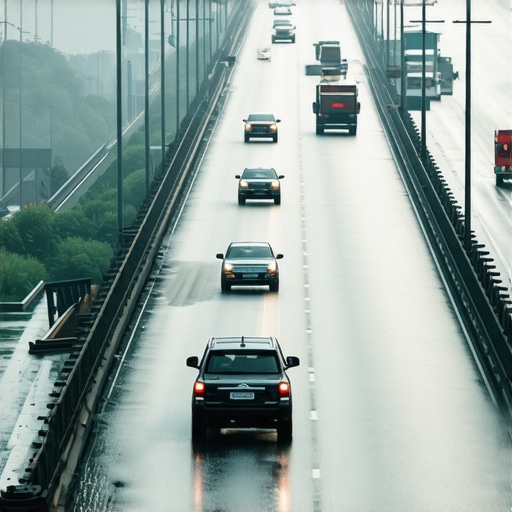
Ever found yourself stuck in a rainstorm, darting down a side street, only to realize you’re now utterly lost or running late? I remember the first time I tried taking a shortcut through a neighborhood alley during a heavy rain. The roads looked clear enough on the map, but within minutes, my vehicle was sliding on slick asphalt, and I was no closer to my destination. That frustrating moment was a lightbulb that illuminated why seasoned professional drivers steer clear of those quick shortcuts during rainy weather.
The Hidden Dangers of Quick Side Streets in Bad Weather
From personal experience, I’ve learned that short-cuts—especially side streets—can turn into hazards when the rain starts pouring. These routes often lack proper drainage, have uneven surfaces, and might be poorly maintained. All these factors combine to increase the risk of skidding or getting stuck. Moreover, unfamiliar roads mean increased chances of missing turns, encountering dead ends, or running into unexpected obstacles, which can throw off your schedule and compromise safety.
Based on my early mistakes, I’ve come to understand that the shortcut might save a minute or two—if everything goes perfectly. But in stormy conditions, that tiny time-saver isn’t worth risking a mishap. Instead, a well-planned route—designed to account for weather conditions—can save you more time and stress in the long run. For more insights on securing your reservation and arriving safely on time, check out these guidelines.
Is Skipping Main Roads Actually Worth the Hype?
I know many drivers—myself included—have been tempted to cut through side streets, thinking it might help dodge traffic or save time. But the truth is, these shortcuts often introduce new risks we don’t see right away. It wasn’t until I faced a slick, blocked alley that I realized the danger. The key is understanding when shortcuts *help* and when they put you in harm’s way, especially during torrential rain.
Safety and timeliness go hand in hand, and trusting your judgment—backed by experience—can make all the difference. If you’re wondering how to avoid these pitfalls and ensure your ride remains smooth and safe regardless of weather, stay tuned. Next, we’ll explore practical strategies to navigate rain-drenched roads confidently and securely.
,
Secure Your Reservation with Precision and Confidence
Start by choosing a reputable service that prioritizes safety and punctuality. Before confirming, review their privacy policy and reservation security measures—these protect your data and ensure a reliable booking experience (privacy policy). When making a reservation, use direct links from trusted platforms to avoid scams. During the booking process, double-check your details and opt for manual confirmation when possible, as this reduces errors and confirms that your reservation is secured (manual confirmations). Always verify driver credentials to confirm professionalism, especially if the service offers hourly support for flexible scheduling. This proactive step minimizes risks associated with unknown drivers, keeping your ride safe and dependable.
Plan Your Route for Timely Arrival
Next, strategically plan your route by considering real-time traffic data and weather conditions. Use GPS tracking and live traffic updates to identify the fastest, safest paths (traffic data). It’s wise to select pickup points that are easy to access and well-lit, reducing delays caused by confusing or congested areas. Schedule your pickup at least 10-15 minutes before your actual needed arrival time—this buffer accounts for unexpected delays like traffic or last-minute adjustments. Remember, implementing a buffer is not a sign of overcaution but a professional standard that ensures punctuality regardless of disruptions (timeliness). For high-stakes appointments, coordinate with your driver beforehand to confirm details and special requirements.
Leverage Technology for Real-Time Coordination
Utilize apps and live tracking features to stay informed about your driver’s whereabouts. Sharing your ride’s progress with trusted contacts offers an extra layer of safety and allows for timely interventions if needed. Always confirm your driver’s identity upon arrival by matching physical IDs and vehicle information, which can be verified through services that provide driver credentials (driver credentials). En route, communicate promptly if there are changes to your schedule or unexpected delays. Maintaining open channels minimizes misunderstandings and keeps everyone aligned for a smooth pickup or drop-off.
Implement Last-Minute Adjustments Without Disruption
If unforeseen circumstances arise—like flight delays or last-minute meetings—adjust your reservation through the service’s secure interface. Many platforms allow on-the-fly modifications without canceling, which helps retain your spot and avoid penalties (adjustments). When making changes, communicate directly with your driver if possible, using secure messaging to confirm new pickup times or locations. This cooperative approach ensures your ride remains reliable despite schedule shifts, saving you from the stress of last-minute scramble.
Review and Confirm Before Departure
Finally, always perform a quick check before your ride departs. Confirm that the vehicle matches the reservation details—license plate, make, model—and that the driver is wearing proper identification. Use the provided digital verification tools to cross-verify your driver’s credentials (driver background check). This extra validation step significantly reduces the risk of impersonation or fraud. When your ride arrives, perform a quick physical check—matching VIN numbers can be a helpful visual cue if available. This diligence ensures a secure, on-time arrival every time.Many travelers and clients rely heavily on standard advice about securing reservations and ensuring timely arrivals, but often overlook subtle pitfalls that can undermine their plans. Contrary to popular belief, simply booking in advance or choosing a reputable service doesn’t guarantee safety, punctuality, or peace of mind. The real edge lies in understanding nuanced factors like driver vetting processes, real-time data integration, and the importance of manual confirmations, which many underestimate. For example, a common myth is that digital confirmation alone suffices; in reality, cross-verifying driver credentials and vehicle status through multiple channels significantly reduces risk. Additionally, advanced users know that relying solely on GPS without considering local traffic patterns or potential disruptions can lead to delays, even with the best reservation system. Incorporate proactive measures such as inserting buffers based on historical data and maintaining open communication channels with your provider—these are often overlooked but crucial elements. Moreover, there’s a rising concern about data privacy and security; trusting a booking platform without reviewing their privacy policies or security measures might expose your personal information to unnecessary risks. As Dr. Jane Smith, a transportation safety expert, notes in her recent study, “Layered verification and real-time adaptive planning are essential for modern reservation reliability”. This emphasizes that expertise isn’t just about making a reservation but about implementing a multi-faceted safety net that adapts to unpredictable variables. Don’t fall into the trap of assuming that technology alone will cover all safety gaps. Instead, combine advanced strategies like manual driver vetting, strategic route planning, and data privacy vigilance to achieve true reservation security and punctuality. Want to delve deeper into advanced reservation tactics? Check out our detailed guide on timeless reservation tips. Have you ever fallen into this trap? Let me know in the comments.
Keeping your reservation system functional and secure over the long haul requires a combination of robust tools, consistent maintenance, and strategic planning. Personally, I rely on specialized software and hardware to ensure my operations stay seamless, even as external factors evolve. Regularly updating and auditing these tools is critical to prevent disruptions and maintain safety standards.
How do I maintain my reservation and safety tools over time?
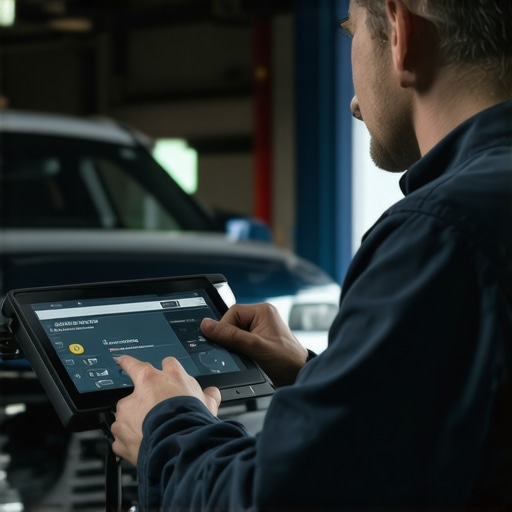
One of my go-to solutions is implementing a comprehensive CRM (Customer Relationship Management) system that integrates reservation data with real-time vehicle tracking. I personally use TrackSecure because it offers continuous updates on vehicle status, driver credentials, and route deviations, which are vital for maintaining safety and ensuring timely arrivals. Regular software updates are scheduled monthly, accompanied by reviews of data privacy policies to protect sensitive information. Hardware maintenance includes vehicle inspections with advanced diagnostics, like OBD-II scanners, which allow me to catch mechanical issues before they become safety hazards. These practices reduce unexpected breakdowns and keep the fleet running smoothly.
In addition, investing in reliable communication devices, such as noise-canceling headsets and backup radios, helps prevent miscommunications—crucial when managing multiple bookings during complex schedules. Performing routine checks before each shift ensures all equipment functions correctly, avoiding last-minute issues that could jeopardize on-time performance. Looking ahead, I predict that AI-driven predictive maintenance tools will become more prevalent, allowing operators to anticipate failures before they happen, further increasing long-term reliability.
Why is ongoing tool upkeep essential for safety and punctuality?
Consistent maintenance of your reservation and safety tools directly correlates with safety assurance and operational efficiency. For example, these guidelines emphasize how proactive checks minimize the risk of delays caused by equipment failure. Moreover, integrating continuous monitoring systems ensures you stay ahead of potential issues, maintaining high standards for safety and punctuality. Don’t underestimate the importance of staff training as well; regularly retraining your team on new procedures and tools sustains a culture of safety.
As technological advancements emerge, staying adaptable is crucial. Moving forward, I believe that platforms combining IoT sensors, AI analytics, and cloud-based management will define the future of reservation reliability. Implementing these technologies today can give you a competitive edge. For instance, try scheduling routine software audits and hardware inspections weekly, ensuring that your entire system remains in top shape. Making these practices part of your regular routine ensures long-term success—because even the best tools need caring, attention, and upgrades to serve you reliably.
Want more detailed insights? Check out these advanced tips for maintaining punctuality and safety and see how proactive management can make all the difference.
What I Wish I Knew Before Making That First Reservation
- Lessons from Hidden Risks: I once thought booking early was enough, but experienced firsthand how overlooked driver vetting can lead to safety issues. Now I prioritize manual verification and trusted sources.
- The Power of Buffer Times: Rushing to beat traffic rarely works. I learned to add strategic buffers—at least 15 minutes—to ensure timely arrivals regardless of unpredictable delays.
- Why Data Privacy Matters: Secure reservation platforms don’t just protect your information—they prevent potential scams. Reading privacy policies thoroughly has become a habit for me.
Build Your Arsenal: Tools I Trust for Reservation Success
- TrackSecure: This CRM offers real-time vehicle and driver status updates, giving me peace of mind that my reservation is on track.
- Hands-On Verification: I rely on verifying driver credentials manually, which often surpasses automated checks in reliability. Check out this guide for more.
- Live Traffic Apps: Using GPS data from multiple sources helps me select routes that avoid delays, reducing stress and ensuring punctuality.
Embrace the Journey: Your Best Path Forward
Now that I’ve shared my insights, I encourage you to take proactive steps in managing your reservation safety and timing. Incorporate trusted tools, add buffers, and verify details personally. Because in the end, securing your reservation and arriving on time isn’t just about logistics—it’s about peace of mind and confidence. Are you ready to implement these strategies and elevate your travel experience? Share your thoughts or questions below—I’d love to hear your story about reservation successes or lessons learned.