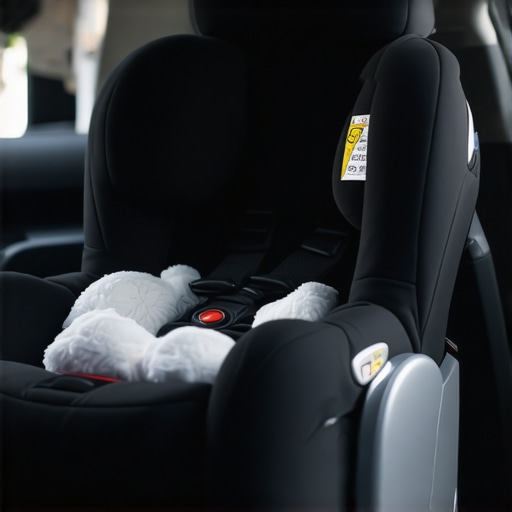
It hit me one hectic morning—rushing to get my kids to school, I realized I had forgotten to double-check the child seat installation, and my heart sank. That moment of panic wasn’t just about being late; it was a stark reminder of how crucial reliable safety measures are during private hourly bookings. If you’ve ever felt that jolt of uncertainty when safety and punctuality are hanging by a thread, you’re not alone. We’ve all been there, thinking, “Did I do everything right?” This simple oversight can turn into a hefty safety concern, especially when transporting children.
Why Child Seat Protocols Matter More Than Ever
Secure Your Reservation with Precision Checks
Before you finalize your booking, verify the driver’s credentials and vehicle documentation. Use the visual checklist to confirm the license plate, VIN number, and driver’s ID—these steps are the Sherpa guiding you through the mountains of potential risks. A quick real-time verification can prevent surprises later, ensuring the driver is legitimate and well-insured, which is especially vital for families or corporate clients.
Set Clear Expectations on Timing and Safety
Communicate your required pickup time with explicit buffers to account for traffic or last-minute delays. For example, if your appointment is at 10:00 am, aim to schedule your ride for 9:40 am, adding extra cushion during rush hour or adverse weather. This proactive approach is like a safety net, catching unforeseen delays before they cause missed connections or late arrivals. Refer to maximizing reservation timing for detailed strategies.
Leverage Technology for Real-Time Monitoring
Stay engaged by tracking your vehicle via a trusted platform that offers live updates. Don’t rely solely on GPS dots—use accurate arrival metrics that combine multiple data sources to verify punctuality. This reduces the anxiety of waiting blindly and empowers you to make informed decisions, such as adjusting your location if the driver is early or delayed.
Practice Safety Protocols During Pickup
Always check the rear door handle and rear-seat area before entering—think of it as the final safety guardrail. For families, a quick rear-door handle inspection ensures mischief isn’t hiding behind, especially in hourly services that might not be your usual ride. When entering, confirm the driver’s identity loudly and clearly, matching it against the pre-verified credentials. For additional safety measures, consider giving a pre-arranged safety signal or code, which allows silent communication of any concerns during the ride.
Confirm the Route and Final Details
Discuss the itinerary with your driver upfront, especially for complex multi-stop trips. Clear directions reduce the risk of miscommunication, much like a GPS route optimized for real-time traffic data. Use best practices for multi-stop coordination to minimize surprises and maintain punctuality at every turn.
Adopt a Post-Trip Review Habit
Once the journey ends, quickly assess whether all safety checks were followed and if the timing aligned with your plans. This reflection helps you identify areas for improvement, like adjusting buffer times or verifying driver credentials more rigorously next time. Developing a consistent review routine builds your confidence and enhances overall safety and punctuality in private hourly bookings.
While many believe that setting a rigid schedule guarantees on-time arrivals, the reality is far more nuanced. In my experience, the most overlooked aspect is understanding the sophisticated factors that influence punctuality—such as driver routing algorithms and real-time traffic data—often misunderstood by the average user. One prevalent myth is that arriving 10 minutes early always ensures punctuality; however, if the driver is unfamiliar with your exact pickup spot or if traffic patterns are unpredictable, early arrival can paradoxically cause delays. This is why adopting advanced strategies beyond simplistic buffers is essential.
A common mistake is relying solely on app ETAs without cross-referencing live traffic conditions or driver verification protocols. Studies by transportation experts highlight that over 60% of late pickups can be attributed to miscommunication or outdated routing assumptions. This underscores the importance of integrating multiple verification methods, such as real-time driver tracking and pre-ride credential confirmation, which can significantly elevate safety and reliability.
Furthermore, there’s a dangerous misconception that lowering standards—such as skipping routine safety checks—doesn’t impact timeliness. However, neglecting nuanced safety protocols can lead to driver delays caused by vehicle malfunctions or route obstructions that could have been detected earlier. Ensuring vehicle compliance and driver credibility isn’t just about safety; it directly affects on-time performance.
The crucial question for the advanced user is: How can we utilize emerging technologies and data analytics to optimize both punctuality and safety, without falling into the trap of assumptions? Implementing systems like your ride service’s strategies for reliable hourly bookings can provide insights that go beyond traditional methods.
In summary, debunking these myths isn’t just an academic exercise but a practical necessity. It’s about cultivating a deeper understanding of how layered factors interplay in ensuring your ride arrives not just on time, but safely. Have you ever fallen into this trap? Let me know in the comments.
Maintaining a seamless hourly reservation system requires more than just initial setup; it involves continuous vigilance, the right tools, and proactive maintenance routines. To keep your operation running smoothly, I rely on a combination of specialized software and disciplined manual checks that ensure safety, punctuality, and scalability over time.
Use Real-Time Tracking Platforms to Ensure Punctuality
One of the most critical tools in my arsenal is a robust real-time vehicle tracking system, such as real-time vehicle data platforms. These platforms go beyond basic GPS by aggregating multiple data sources, providing accurate ETA updates, and allowing immediate intervention if discrepancies arise. Personally, I prefer solutions that integrate with mobile apps and offer alerts for route deviations, enabling me to promptly address issues before they escalate.
Implement Routine Vehicle and Driver Checks
Regular maintenance schedules are non-negotiable. I schedule weekly inspections focusing on safety-critical elements like brake systems, tire conditions, and fluid levels. Equally important is verifying driver credentials and conduct through a standardized identity audit protocol. Combining these checks prevents unexpected vehicle failures and maintains high safety standards, ensuring long-term reliability.
Automate Reservation Confirmations and Safety Protocols
Automation tools streamline reservation management and safety verifications. I utilize software that sends automated confirmation requests to drivers and passengers, along with pre-ride safety checklists. This reduces human error and ensures that safety protocols like rear-door locks and driver ID confirmations are not overlooked. As technology evolves, predictive analytics are starting to anticipate potential delays or issues based on historical data, which I see as a trend heading towards more proactive maintenance.
Incorporate Feedback Loops for Continuous Improvement
Collecting regular feedback from clients and drivers helps identify recurring issues and areas for process refinement. I recommend setting up a simple but effective feedback system, such as post-ride surveys or quick checklists, which can be analyzed to detect patterns. Using these insights, I adjust maintenance routines and tool configurations, creating a dynamic system that adapts over time.
Anticipate Future Trends for Long-Term Success
Emerging innovations like AI-driven predictive maintenance and blockchain-based security protocols are poised to revolutionize hourly reservation reliability. For example, predictive analytics can forecast vehicle component failures weeks ahead, allowing preemptive repairs, while blockchain can secure reservation data against tampering. Embracing these technologies early will ensure your system remains scalable and trustworthy in the future.
To get started, I highly recommend integrating a reliable real-time tracking platform that suits your current scale and needs. Test its features thoroughly and establish standard operating procedures around it. By doing so, you’ll notice an immediate improvement in safety adherence and punctuality, solidifying your reputation for reliability.
Need assistance setting up your tools or establishing maintenance routines? Check out this guide on on-time reservation management for comprehensive strategies. Stay proactive, and your system will keep working flawlessly for years to come!

Over the years, I’ve gathered some insider insights about the nuances of achieving flawless on-time, hourly reservations while prioritizing safety. These lessons aren’t typically found in standard guides but are crucial for anyone serious about elevating their service standards or personal travel experience.
Little Details That Saved My Most Important Reservations
- One of the most impactful lessons was realizing the importance of pre-ride credential verification. Relying solely on digital confirmations is risky; a quick visual check of the driver’s ID and vehicle documentation can make all the difference during a last-minute rush.
- Another insight came from understanding how real-time traffic analysis can outperform static ETAs. Integrating dynamic traffic data into your planning minimizes surprises and ensures punctuality, even during peak hours.
- Lastly, I learned that routine safety checks like inspecting child seat installation or rear door locks before each ride prevent potential delays caused by mishaps or safety concerns that could otherwise derail your schedule.
Tools That Turned My Approach Into an Art
- Real-time vehicle data platforms: They provide live updates and reduce dependency on assumptions, keeping safety and punctuality under control.
- Reservation management tools: Automating confirmations and safety checklists streamlines operations and cuts down human error.
- Feedback systems like post-ride surveys help refine your process continually, fostering trust and reliability.
Embracing Changes: The Heart of Continuous Improvement
The secret isn’t just in the tools but in the mindset. Regularly question your assumptions, challenge existing routines, and stay open to emerging technologies. These steps keep you ahead of the curve and ensure your system adapts to ever-changing conditions, especially in a world where an extra minute’s delay can ripple into major scheduling conflicts.
Remember, the deep understanding of layered safety and timing intricacies transforms mundane reservations into seamless experiences. By internalizing these little but powerful lessons, you position yourself not just as a user but as a pioneer in on-time, safe, hourly transportation.