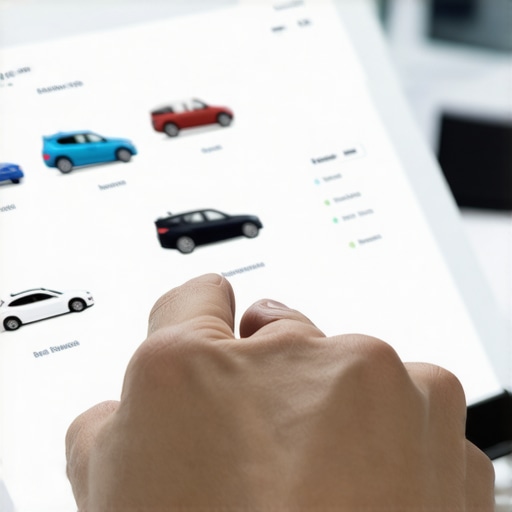
Imagine this: You have an important long-distance trip scheduled, and as you prepare to leave, you realize you haven’t secured the right vehicle. Maybe it’s a cramped sedan when you need space for luggage, or a vehicle without the necessary amenities for a comfortable ride. That sinking feeling hits—you know the ride could make or break your day, yet you’ve overlooked the importance of requesting a specific vehicle type in advance. I’ve been there, fumbling through last-minute requests, only to end up with a car that wasn’t quite right, which complicated my journey and added unnecessary stress.
Why Picking the Perfect Vehicle Matters So Much
Long-distance hourly trips demand more than just a ride; they require reliability, comfort, and punctuality. When you don’t specify your vehicle needs, you risk being assigned a standard car that doesn’t match your expectations or the trip’s demands. This can lead to delays, discomfort, or even safety concerns. Over the years, I’ve learned that a simple, proactive request for a particular vehicle type can transform your travel experience from unpredictable to seamless. The key is understanding how to clearly communicate your needs when booking—and knowing what to look out for to ensure your ride aligns perfectly with your plans.
Is Confirming Vehicle Type Overkill for Short Trips?
Some skeptics assume that specifying vehicle details is only necessary for luxury or special occasions. However, for long-distance work or scheduled hourly trips, this detail becomes critical. Ignoring it can mean the difference between arriving refreshed and arriving exhausted. Early in my experience, I made the mistake of assuming that all private drivers or services would automatically understand my needs without explicit requests, leading to mismatched vehicles and frustration. Trust me, making that mistake cost me precious time and peace of mind. Knowing exactly how to request and verify your vehicle type turns your trip into a well-orchestrated event rather than a gamble.
Interested in ensuring your next ride is exactly what you need? Stay tuned—I’m going to walk you through the practical steps to request specific vehicle types confidently and avoid those common pitfalls. And if you’ve faced this problem before, I’d love to hear your story—drop a comment below or check out more tips on reservation security measures to keep your trips smooth and secure.
Remember, the right vehicle isn’t just about luxury; it’s about peace of mind, safety, and arriving on time, every time.
Identify Your Exact Ride Needs Before Booking
Start by clearly pinpointing what you require—whether it’s space for luggage, a specific vehicle model, or amenities like Wi-Fi. Think of it like packing for a trip; knowing what essentials you need ensures your vehicle matches your expectations. I once booked a standard sedan for a 4-hour business trip, expecting comfort. However, I overlooked requesting a vehicle with extra legroom, which made the long ride uncomfortable. This experience taught me the importance of detailed planning—so always specify your needs explicitly during reservation.
Use Precise Language When Making Your Request
Communicate your vehicle preferences with specific, unambiguous language. Instead of saying, “I want a clean car,” specify, “Please provide a BMW 5 Series or similar, with a clean interior, ample luggage space, and Wi-Fi.” This reduces misunderstandings. When I clarified my request to include ‘SUV with trunk space for two large suitcases,’ my driver appreciated the detail, and the vehicle was exactly what I needed, avoiding last-minute surprises or delays.
Leverage Trusted Booking Platforms for Confirmation
Choose platforms that allow you to confirm vehicle details before arrival. Some services provide real-time photos or descriptions upon booking. For instance, I once used a platform that showed a photo of the actual vehicle assigned, reassuring me that my specifications were met. This step is crucial—think of it as an advance inspection, similar to checking the safety sticker on a vehicle before entering. Confirm your reservation and vehicle type well in advance using resources like reservation timing strategies.
Communicate Your Needs Clearly to Your Driver
Upon pickup, reiterate key details: vehicle type, preferred temperature, or special requests. A quick reality check helps ensure everything aligns. Once, I reminded my driver to keep the windows down in heavy traffic, which improved air circulation without needing to ask again later. Remember, drivers aren’t mind readers—clear, polite communication fosters a smooth ride and prevents misunderstandings that could delay your schedule.
Verify the Vehicle Before Boarding
Before entering, perform simple checks: confirm the license plate matches your reservation, verify the vehicle’s appearance, and confirm driver credentials if possible. Think of it as a safety audit—like checking the rear door child locks if traveling solo. This quick verification ensures you’re getting the right ride and reinforces safety, especially when booking in unfamiliar areas. For more tips, see vehicle verification routines.
Adjust Requests Respectfully to Avoid No-Shows
If your plans change, communicate adjustments early and politely. Asking a driver to alter the route or pickup point may risk cancellation if not done properly. Frame requests with clarity and understanding—e.g., “Could we change the pickup location to the front entrance?”—to minimize disruption. Remember, respectful communication maintains a positive relationship, ensuring your request is accommodated in time.
Create a Buffer for Unexpected Delays
Incorporate extra time into your reservation—think of it as a safety net—by requesting a vehicle with a buffer period. For example, booking the vehicle 30 minutes earlier than needed accounts for traffic or unforeseen holdups. This proactive step is similar to adding extra padding to a tightrope walk, reducing stress and guaranteeing punctual arrival. To learn more about maximizing reservation timing, visit reservation timing tips.
Confirm Details and Maintain Open Communication
Finally, near the pickup time, send a quick message or call to confirm the vehicle’s arrival and details. This ensures everyone is aligned and helps prevent last-minute surprises. I once texted my driver 10 minutes before, which prompted a swift response confirming the car’s location and my preferences. This simple step can be the difference between a stressful delay and a punctual, smooth experience. For more safety-focused strategies, check vehicle safety confirmations.
Many travelers and professionals assume that having a standard reservation process or simply trusting app estimates guarantees safety and punctuality. However, these assumptions often conceal nuanced pitfalls that can derail even the most careful plans. Let’s dig deeper into some misconceptions about safety, reservations, and on-time service that could be costing you more than you realize.
Why Relying on Digital ETAs Might Be a Risk
One prevalent myth is trusting real-time map data or app-based estimated times of arrival (ETAs) as infallible indicators of punctuality. While technology offers a useful overview, studies, such as those by the Federal Communications Commission, highlight that digital ETAs often lag due to network delays, traffic data inaccuracies, or app synchronization issues. Relying solely on these estimates can give a false sense of security, leading to missed connections or late arrivals. Instead, integrating reservation buffers and confirming actual vehicle details ensures you’re not caught off guard by these unpredictable discrepancies.
What About Hidden Safety Risks in Booking Platforms?
Many assume that booking through popular platforms guarantees safety and vehicle quality. However, a trap many overlook is the variability in driver verification and vehicle maintenance standards across services. According to expert insights from private driver safety analysis, unverified drivers or poorly maintained vehicles significantly increase risks. An advanced mistake is neglecting to verify these factors before confirming a booking, especially in unfamiliar areas. Always opt for services that prioritize transparent verification practices to mitigate these hidden hazards.
Avoid the No-Man’s Land of Last-Minute Changes
Making urgent adjustments to your reservation—like changing pickup points or destination details—without proper communication can backfire. The common misconception is that minor tweaks are harmless once a booking is confirmed. However, this can increase the likelihood of no-shows or vehicle mismatches, especially if the service doesn’t accommodate quick updates reliably. An effective strategy is to communicate changes well in advance through trusted channels, and confirm new details directly with the driver or service provider. This proactive approach prevents the “Oops” moment when your ride doesn’t show or isn’t what you requested.
How Can Advanced Reservation Practices Enhance Security?
Implementing precise reservation timing, such as requesting your vehicle at least 48 hours in advance, provides a safety net that many overlook. According to reservation timing tips, this buffer allows for verification, vehicle assignment checks, and contingency planning. Moreover, such practices help prevent last-minute cancellations and ensure your vehicle matches your specifications, making your entire journey safer and more controlled.
In summary, the core of safe and punctual travel isn’t just about trusting apps or making spontaneous requests. It’s about understanding the nuanced flaws in common assumptions—such as digital ETA reliability, safety standards, and the impact of last-minute changes—and adopting proactive, verified strategies. Have you ever fallen into this trap? Let me know in the comments, and remember: mastering these subtle details will elevate your travel experience from uncertainty to certainty.
Streamlining Maintenance for Long-Term Service Excellence
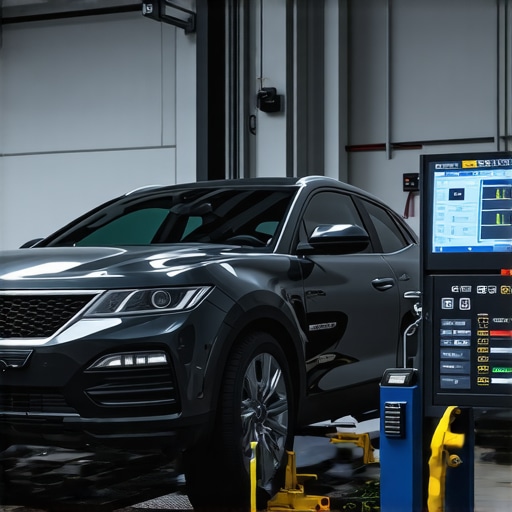
Consistent maintenance is the backbone of reliable hourly reservations. I personally rely on a rigorous inspection routine before every trip, which involves checking tire pressure, fluid levels, and engine diagnostics using tools like the OBD-II scanner. This device connects to the vehicle’s onboard computer, providing real-time data about its health and alerting me to potential issues before they cause delays. Investing in a portable scanner, such as the BlueDriver, has significantly reduced unexpected breakdowns, ensuring my service remains uninterrupted over the years.
How do I maintain my vehicle’s performance over time?
Regularly scheduled professional servicing combined with automated reminders—courtesy of fleet management software—keeps vehicles running smoothly. I use Fleetio, a platform that tracks service histories and sends timely alerts for oil changes, brake inspections, and tire rotations. Such proactive measures extend vehicle lifespan and maintain safety standards, aligning with the reservation security measures that prevent last-minute cancellations or safety concerns.
The Essential Software Toolbox for Reliable Service
Efficiency in managing reservations and maintaining punctuality hinges on the right software. I recommend using Route4Me for route optimization—it considers live traffic data to suggest the fastest paths, minimizing delays. Paired with TripSpark for scheduling and dispatching, these tools have helped me maintain on-time arrivals consistently. They allow for real-time adjustments and ensure vehicles are correctly assigned, facilitating seamless scaling as my operations grow.
Looking ahead, I believe AI-driven predictive maintenance will become standard, forecasting issues before they impact service. Staying ahead means integrating these emerging tools early, enhancing safety and reliability, and reinforcing the trust clients place in your punctuality.
How do I sustain system reliability during scale-up?
Scaling requires not only more vehicles but also meticulous management. Cloud-based fleet management systems like Verizon Connect provide centralized oversight of multiple units, enabling proactive maintenance schedules and real-time tracking. Coupling this with advanced driver training and safety protocols ensures long-term operational stability. Remember, ongoing staff training on new tools and safety standards is crucial—it’s about embedding a culture of reliability.
If you haven’t tried integrating a comprehensive vehicle diagnostics tool like advanced diagnostic systems, now is the time. This investment can prevent costly breakdowns, enhance safety, and build client confidence. Regularly updating your maintenance toolkit and software suite ultimately guarantees your service stays on time, every time, as you grow.
Remember, the future of reliable hourly transportation lies in combining proactive maintenance with intelligent tools that adapt to your expanding needs. Take the step today—integrate one new diagnostic or scheduling tool into your workflow and observe how reliability becomes your standard advantage.
Throughout this journey of understanding safety, reservation precision, and punctuality, I’ve realized that the devil truly is in the details. The lessons learned are not just technical tips but insights that reshape how we approach every ride, ensuring peace of mind and reliability.
Lessons That Changed My Perspective on Hourly Reservations
- Over-communication beats assumptions every time: Assuming your driver knows your preferences can lead to surprises. Clear, detailed instructions prevent misunderstandings and ensure your expectations are met consistently.
- Trust verified over built-in: Relying solely on platform standards or app estimates is risky. Verifying vehicle details, driver credentials, and safety features creates a layer of security that technology alone can’t guarantee.
- Buffer times are your best friend: Building extra time into reservations isn’t a sign of hesitation but a strategic move. It cushions against traffic, delays, or last-minute changes, securing punctuality even in unpredictable conditions.
- Pre-ride checks save headaches: Taking moments to verify license plates, vehicle appearance, and safety features before boarding can save significant stress and ensure you’re in the right ride, especially when in unfamiliar environments.
- Continuous maintenance is a trust builder: Regularly inspecting and servicing vehicles maintains high safety and comfort standards, reinforcing your reputation as a reliable scheduler and ensuring ongoing satisfaction for clients or passengers.
Tools That Elevate My Scheduling Confidence
- Fleetio: This fleet management tool helps me stay ahead with scheduled maintenance, ensuring vehicles are always in top shape and reducing unexpected downtimes.
- Route4Me: Route optimization minimizes delays and keeps my schedule tight, even in heavy traffic, making punctuality non-negotiable.
- Real-time tracking links: These allow me and clients to monitor trips, providing transparency and peace of mind at every step.
- OBD-II diagnostic tools: Devices like BlueDriver enable proactive vehicle health checks, catching issues before they disrupt service.
You Can Transform Your Travel Experience Today
The future of safe, punctual hourly transportation depends on your willingness to embrace these insights and tools. By paying attention to the small yet crucial details—verifying vehicle info, communicating clearly, planning buffer times—you set yourself up for seamless journeys. Remember, every confident reservation builds trust, reduces stress, and elevates your overall experience. Are you ready to take control of your next trip and ensure it’s as smooth as possible? Share your own tips or questions below, and let’s keep the conversation going!