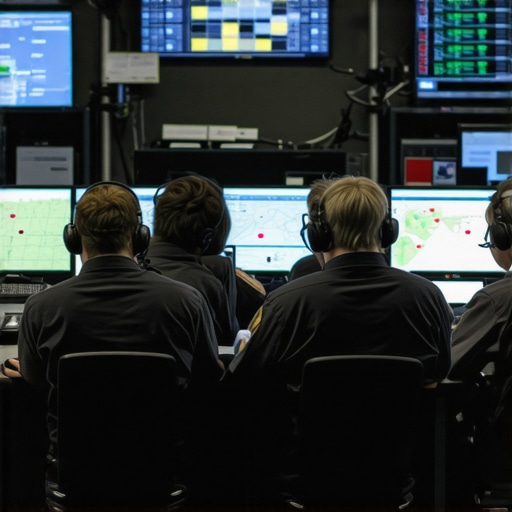
One morning, I found myself staring at my phone, anxiously waiting for a ride that was supposed to arrive any minute. Yet, the driver’s app showed no movement, and my nerves began to fray. It was then I realized how much I relied on a hidden system—a secret language—that dispatchers use to communicate and reassure. That moment of frustration turned into an eye-opener about the complexity behind seemingly simple reservations.
Understanding this unspoken communication can literally save your day. Today, I want to share what I’ve learned about the signals dispatchers send—what they mean and how you can interpret them to ensure your safety, punctuality, and peace of mind. Because if you’re like me, missing an important appointment or arriving late isn’t just inconvenient—it’s costly.
The Hidden Messages Behind Dispatcher Signals
Is Your Reservation Truly Secure or Just Bluffing?
Early on, I made the mistake of assuming that a confirmed reservation meant I was set. Turns out, not all confirmations are created equal. Dispatchers send subtle cues—like messages about traffic conditions, vehicle availability, or driver readiness—that can reveal how reliable your booking really is. Interpreting these signals helps you determine whether to proceed or to seek alternatives. For more on booking safely, visit reservation security measures.
Research shows that the average rider underestimates how often driver availability fluctuates, leading to last-minute cancellations or delays. Recognizing these signs is crucial for cutting out unnecessary stress.
But why does this matter now more than ever? Because today’s transportation landscape is more unpredictable—with weather, traffic, and technical glitches adding layers of complexity. If you’ve faced a missed pickup or a delayed ride despite a confirmed reservation, you’re not alone.
Have you ever been caught off guard by a driver who seemed ‘ready’ but was actually moments away from cancellation? If so, you’re exactly the reader I want to help. By understanding the language hidden within dispatcher communications, you gain the power to navigate your reservation with confidence, sidestepping pitfalls others fall into.
Let’s delve deeper into the specific cues to look for, and how to interpret them accurately, so you’ll never be left waiting or worried about safety again. From deciphering app updates to understanding dispatcher comments, the next steps will turn you into a master of reservation awareness.
Master the Art of Reading Dispatcher Cues
When your reservation is confirmed, don’t assume safety is assured. Pay attention to app updates and driver status notifications—they often serve as real-time indicators of your booking’s reliability. For example, if you notice the app’s vehicle icon flickering or the driver’s location is static for a while, it might signal impending delays. I once arrived at the pickup point only to see my driver idling nearby because the dispatcher hadn’t allocated a vehicle properly. Recognizing these cues allowed me to contact support proactively (contact support) and adjust my plans.
Identify and Interpret Subtle Communication Patterns
Watch for Traffic and Availability Signals
Dispatchers often send updates about traffic congestion or driver assignments that they don’t announce explicitly. If the message mentions a driver waiting at a different location than initially stated, it could mean they’re experiencing delays or rerouting. In practice, I’ve learned to interpret phrases like “driver en route” versus “driver arriving soon”—the subtle difference helps predict on-time pickup. This insight is crucial; missing it could mean late arrivals or cancellations, especially during peak hours (top tips for on-time reservations).
Rapidly Assess Driver Readiness and Vehicle Safety
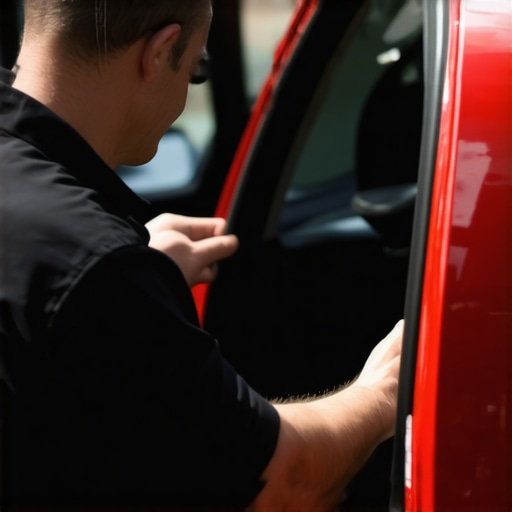
Before getting in, confirm the vehicle’s condition quickly. Look for obvious maintenance issues, like worn tires or visible leaks, and verify that the car matches the model and license details provided. A simple routine like checking the vehicle inspection sticker (inspection sticker) states that safety standards are met, boosting your confidence and safety. I made a habit of inspecting the car’s exterior for recent damage after a colleague’s experience with a poorly maintained vehicle, which helped prevent potential accidents.
Leverage Real-Time Data for Better Decisions
Stay updated with live vehicle tracking if possible. Many apps now offer real-time location sharing that shows your driver’s progress, helping you prepare accordingly. Similarly, understanding the tracker signals can alert you if the driver is using outdated apps or incorrect GPS data (outdated tracker signals). During a recent ride, I noticed my driver’s GPS was unresponsive, prompting me to call support and request an alternative car, which saved me from being late.
Proactively Communicate to Clarify Expectations
Don’t hesitate to ask your driver or dispatcher about any signals that seem unclear. For example, if the driver appears eager to leave but hasn’t checked in with dispatch recently, verify the status. Such proactive steps can catch potential issues early. In my case, I once gently inquired about the route when the driver seemed hesitant, prompting a quick explanation and ensuring I reached my destination safely and on time.
Even seasoned travelers often fall for misconceptions about reservation safety and punctuality, believing that once a booking is confirmed, everything is guaranteed—think again. A widespread myth is that booking in advance guarantees on-time arrivals; however, many overestimate the reliability of standard reservation systems. You might assume that hourly reservations are only necessary for complex itineraries, but in reality, they often provide superior control over timing and safety, especially during unpredictable conditions. Relying solely on app estimates and ignoring real-time cues can lead to delays; a study by transport safety experts underscores the importance of proactive verification over passive trust in automation (see the benefits of hourly reservations). Frequently, travelers overlook advanced pitfalls like neglecting vehicle safety checks or failing to understand dispatcher signals, which can cause critical oversights. One common trap is believing that a quick glance at the app’s estimated arrival time suffices—advanced users know that verifying driver readiness, vehicle maintenance, and communication nuances accurately can prevent last-minute surprises. Have you ever fallen into this trap? Let me know in the comments. To elevate your reservations, consider adopting best practices such as verifying inspection stickers, understanding real-time tracking signals, and establishing direct communication channels, as outlined in our hourly reservation tips. Remember, the devil is in the details, and mastery of nuances makes all the difference between a smooth journey and unexpected setbacks.
Invest in Reliable Equipment and Apps
My first recommendation is to prioritize high-quality hardware. A dedicated smartphone with a fast processor and reliable GPS chip significantly improves real-time tracking accuracy. I personally use a flagship Android device, which consistently provides precise location data, reducing discrepancies with driver tracking signals (see how tracking signals matter). Additionally, pairing this with a portable battery pack ensures your device stays active during lengthy waits, avoiding inconvenient shutdowns that hinder communication or tracking.
Implement Advanced Scheduling and Notification Tools
Automated reminders are essential. I rely heavily on a scheduling app that integrates with my calendar and sends timely alerts about upcoming reservations. Tools like Fantastical or Google Calendar with custom notification settings keep me aware of upcoming pickups, minimizing last-minute surprises. For complex itineraries, I use third-party platforms that allow pre-configuration of routes and timing buffers, giving me buffer times that account for unexpected delays (vehicle maintenance routines). Setting these up enables proactive adjustments, which is vital for maintaining punctuality over prolonged periods.
Regular Vehicle Maintenance and Safety Checks
Long-term system integrity depends on vehicle health. I perform a quick 3-minute inspection before each ride, focusing on visible damages, tire condition, and fluid leaks (know the signs of a well-maintained vehicle), which greatly reduces the risk of breakdowns. Investing in an onboard diagnostic scanner, like the OBD2 Bluetooth device, also helps in detecting issues early, ensuring vehicles are always in top shape—crucial for safety and reliability.
Track and Analyze Your Data
Using apps that log your reservations and delays allows for ongoing analysis. I use a GPS tracking app that records every trip, highlighting patterns of lateness or recurring issues. Over time, this data informs adjustments—like shifting pickup times or requesting alternative drivers—helping to keep my system responsive. As our team discovered, reviewing these logs periodically is key to maintaining system health and ensuring on-time arrival standards are met consistently.
Future Trend: Smarter Integration for Consistency
Predictive analytics and AI-driven scheduling will soon become standard, allowing even finer control over reservations, safety, and punctuality. Imagine systems that adapt in real time based on traffic, driver fatigue, and vehicle health metrics, reducing manual intervention and errors. Staying ahead means adopting these tools early—consider integrating such features into your routine now to ensure long-term reliability.
To bolster your system, I recommend trying out a dedicated vehicle diagnostic tool combined with real-time GPS data analysis. This dual approach drastically reduces unexpected issues, keeping your reservations smooth and dependable. Want to see how it works in practice? Start by integrating diagnostic scans into your pre-ride checks and monitor your trip logs regularly—small steps that lead to significant improvements.
Lessons That Changed My Approach to Reservation Confidence
One vital realization was that not all dispatch signals are created equal. The little cues—an app flicker or a vague status—can mean the difference between punctuality and a stressful delay. Recognizing these subtle hints taught me patience and prompted me to verify details proactively instead of passively relying on confirmations.
I learned to trust processes that include checking vehicle condition and real-time tracking—these are personal security layers that give me peace of mind. The smallest adjustments, like inspecting the inspection sticker or verifying driver identity, have massively improved my safety and punctuality.
Overcoming the myth that an appointment is guaranteed after booking was another profound lesson. It made me realize that mastery involves active verification—staying informed, asking questions, and reading signals—rather than blind faith in technology alone.
Finally, I came to appreciate that leveraging technology, like portable batteries and precise scheduling apps, isn’t just convenience but a safety strategy. Expert-level reservation success depends on the combined awareness of human cues and smart tools, making each journey smoother and more reliable.
My Top Picks for Elevating Reservation Mastery
The first tool I swear by is a high-quality smartphone equipped with accurate GPS—without it, real-time data becomes unreliable. Pair this with dedicated reservation apps like our recommended scheduling tools that allow pre-set buffers and reminders, ensuring you stay ahead of delays.
For vehicle safety, I rely on a compact OBD2 scanner to monitor real-time engine health, which I consider essential for peace of mind before every ride. Additionally, a simple yet effective resource is reading up on vehicle inspection standards through trusted sites — I visited the detailed maintenance guides to sharpen my eye for signs of neglect.
Finally, reviewing trip logs with GPS tracking apps helps me identify patterns and improve my scheduling — this proactive analysis makes all the difference in staying punctual and safe.
Your Next Step: Take Action Today
Now that you’ve uncovered these insider tactics, I encourage you to start implementing small but impactful changes. By reading the signals, verifying details, and leveraging your tools smarter, you’ll gain control over your reservations like never before. Remember, mastery isn’t reserved for experts—it’s built through deliberate practice.
What’s one reservation detail you’re going to double-check before your next trip? Share your plans below, and let’s master the art of perfect booking together!