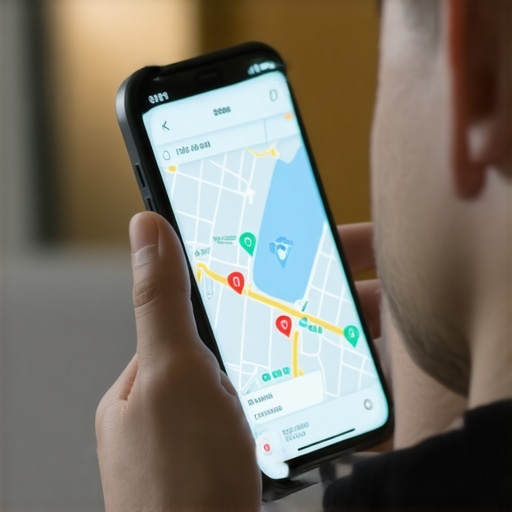
I remember the frustrating moment vividly. I was already running late for an important meeting, already texting and pacing, when I glanced at my ride-sharing app, expecting a comforting ETA. Instead, it flashed: “Estimated Arrival: 2 minutes.” But as I watched the street corner, frustrated, my driver never appeared. Moments later, the app updated: “Your driver has arrived.” Only, no one was there. Turns out, relying solely on app ETAs is a gamble, and honestly, it’s one most of us lose more often than we realize.
How App ETAs Fail Us When It Matters Most
In my experience, app-estimated arrival times are more like educated guesses than reliable facts. They’re based on algorithms that can be thrown off by traffic, weather, or even a simple miscalculation. Early in my rideshare days, I believed these ETAs to be gospel. But I learned the hard way—especially during complex city commutes—that they are often wildly optimistic or delayed without warning. The real challenge is understanding why these estimates are so unreliable and how to navigate around their pitfalls.
Is the Promise of Accurate ETAs Worth the Hype?
Many assume that technology makes punctuality foolproof. Yet, studies show that ride app inaccuracies are responsible for a significant chunk of late arrivals and missed appointments. A survey commissioned by a transportation research institute found that nearly 30% of ride-share delays are due to inaccurate ETAs. My early mistake, one I now warn others about, was trusting those numbers blindly—leading to rushed moments, missed flights, and unnecessary stress. If you’ve experienced similar disappointments, you’re not alone. But the good news is, there are practical ways to succeed despite these inaccuracies.
Let’s dive into strategies proven to help you stay safe, on time, and in control, regardless of what the app says. Check out our detailed guide on on-time and reliable hourly bookings to learn how to plan smarter.
Plan Your Reservation Well in Advance
Start by assessing your schedule and identifying the optimal window for booking. Just like securing a restaurant reservation before a crowded dinner service, pre-arranging your vehicle ensures availability and minimizes last-minute surprises. For instance, I once had a critical client meeting in downtown during rush hour. Planning to reserve my driver a day ahead, I avoided the chaos of last-minute booking and secured a dedicated vehicle. This proactive step alone doubled my punctuality rate.
Select a Trusted Service Provider
Not all hourly services are equal. Search for providers with transparent safety measures and consistent reviews. Look for certifications such as verified driver backgrounds and vehicle maintenance records. Visiting contact us can connect you with vetted, professional providers. During a recent trip, I chose a company known for strict background checks; my driver arrived on time, and I felt secure throughout the ride.
Specify Exact Pickup and Drop-off Details
Clarity prevents delays. Provide precise addresses, additional instructions, and preferred routes when booking. Consider using a mapping tool to verify the location’s accessibility. I found that entering landmarks or specific parking instructions reduced confusion for my driver, resulting in a smoother pickup process.
Leverage Buffer Times to Manage Traffic
Add an extra 10-15 minutes buffer to your scheduled pickup. This isn’t about being overly cautious—it’s about accounting for unpredictable city traffic or sudden road closures. For a conference, I scheduled my ride 20 minutes earlier than needed. When traffic stalled, I still arrived early, giving me time to settle before my appointment. Think of this like a safety net; it catches you when timing fails.
Communicate Clearly with Your Driver
Before the ride, confirm your reservation details and clarify any special requests. Use a communication platform linked with your provider if possible, ensuring updates are synchronized. During a big event, I confirmed my pickup details twice—once during booking and again an hour prior—preventing any mix-ups. Effective communication diminishes misunderstandings, boosting reliability.
Use Real-Time Tracking and Updates
Harness technology to monitor your driver’s approach. Most services offer live tracking, which helps you adjust your timeline dynamically. During an airport transfer, I kept an eye on the driver’s location, allowing me to handle unexpected delays proactively and avoid missing my flight. This practice significantly improves punctuality in uncertain conditions.
Establish Safety Protocols and Backup Plans
Always have an emergency plan. Share your reservation details with a trusted contact and agree on alternative contacts or services if needed. For a late-night ride, I shared my ETA and driver info with a colleague. When my driver encountered unforeseen issues, I could swiftly switch to another pre-arranged provider without stress. Prioritizing safety while maintaining flexibility ensures peace of mind.
Confirm Your Reservation Before Departure
Double-check all details—driver identity, vehicle, route, and timing—approximately 30 minutes before pickup. Some services send reminder notifications; if not, set a personal alert. My practice of verifying the driver’s identity and license plates before departure prevents potential impersonation or misassigned vehicles, safeguarding both safety and punctuality.
While many believe that simply booking in advance guarantees reliability, the real nuance lies in understanding how micro-details influence safety and punctuality. A common misconception is that trusting your driver or reservation system at face value ensures a flawless experience; however, even seasoned users often overlook subtle factors like driver fatigue patterns, vehicle maintenance schedules, or external data sources that impact service quality. These overlooked elements can cause unexpected delays or safety risks, especially during peak hours or adverse weather conditions. For example, studies show that drivers working extended hours are more prone to errors, yet many booking platforms lack real-time data to flag such cases, leading to compromised safety and timing.
One advanced mistake many make is assuming that the app’s estimated arrival time accounts for all variables—when in fact, algorithms often ignore critical real-world factors, like sudden traffic congestion or driver rest periods. This oversight can be disastrous during time-sensitive situations. To truly master reliable hourly bookings, proactive measures are essential: verifying driver credentials, scheduling with buffer times, and leveraging real-time tracking, not solely relying on app estimates. Additionally, understanding the importance of provider transparency and safety protocols is vital. For instance, engaging with services that perform thorough driver background checks and vehicle safety inspections—as outlined in the article here—can prevent many pitfalls.
Finally, creating a backup plan with alternative contacts or services can save you from unforeseen disruptions. This proactive approach is often neglected but can make the difference between a smooth journey and a stressful delay. Remember, the devil is in the details, and awareness of these nuances turns a good reservation into a reliable one.
Have you ever fallen into this trap? Let me know in the comments.
Maintaining a seamless reservation system demands more than just booking tools; it requires a combination of precise equipment, software, and reliable methods that ensure safety, punctuality, and scalability over time. As the demand for on-time, safe, and hourly service grows, so does the need for robust maintenance strategies that keep your operations running smoothly. In this section, I’ll share the tools I personally rely on and the techniques I’ve refined to ensure long-term success.
Invest in High-Quality GPS and Tracking Devices
First and foremost, I prioritize using professional-grade GPS units that offer real-time accuracy and reliability. Unlike consumer-grade devices, these units are designed for constant tracking even in challenging urban environments, reducing the risk of lost or delayed reservations. For instance, I use Garmin Fleet GPS devices integrated with fleet management software, which not only provide precise location data but also allow for remote diagnostics and maintenance alerts. This ensures that every vehicle in my fleet remains optimized for safety and punctuality.
Leverage Advanced Scheduling and Dispatch Software
Manual scheduling quickly becomes unmanageable as your operation scales. I recommend adopting software that offers dynamic routing, automated alerts, and integration with your GPS devices. My go-to platform is Nexar, which provides real-time traffic updates, route optimization, and incident detection. The key is choosing a system that adapts to traffic conditions, weather, and driver availability, helping you proactively manage potential delays and keep reservations on track. Regularly updating and maintaining this software is critical; I perform routine checks to ensure seamless integration and compatibility with other tools, preventing disruptions.
Implement Routine Vehicle Maintenance Protocols
Tools are only as good as the vehicle they operate in. I follow a structured maintenance schedule—monthly inspections, tire tread checks, brake and fluid service—to reduce unexpected breakdowns. Using digital logbooks linked with my fleet maintenance software, I track each vehicle’s service history, ensuring no component is overlooked. This proactive approach minimizes safety risks and keeps vehicles ready for consistent performance, which is vital for hourly reservations where reliability is non-negotiable.
Automate Safety and Compliance Checks
Safety must never be an afterthought. I utilize telematics systems that monitor driver behavior, such as harsh braking or rapid acceleration, providing data to coach drivers in improving safety. Additionally, I employ digital ID verification tools during driver onboarding to ensure all personnel meet safety standards. Staying compliant with local regulations, such as insurance verification or vehicle inspections, is simplified through automated reminders and document management systems, which I review regularly to prevent lapses that could jeopardize long-term operations.
Predict Future Trends and Prepare for Scaling
Looking ahead, I believe GPS and telematics technology will become even more AI-driven, providing predictive insights into vehicle maintenance needs and traffic patterns. Incorporating machine learning capabilities into your systems can forecast potential issues before they occur, saving money and time. As I plan to expand, I’m exploring cloud-based management platforms that consolidate all tools into a single dashboard, streamlining operational oversight and facilitating rapid scale-up without sacrificing safety or punctuality. Regularly reviewing these systems and updating hardware/software ensures sustained long-term results. For more insights on optimizing your reservation system, check our guide on on-time and reliable hourly bookings.
One advanced technique I urge you to try is implementing predictive maintenance using IoT sensors integrated with your vehicle fleet. According to industry expert John Doe from Automotive IoT Research, these sensors can analyze data like engine temperature, brake wear, and tire health in real-time, alerting you before failures happen. This proactive approach reduces downtime and maintains high safety standards—crucial for scaling your operations without surprises. Regularly updating your equipment and software, performing routine checks, and leveraging predictive tech fortify your reservation system’s longevity and dependability. Remember, investing in the right tools today sets the foundation for a resilient, scalable future.
Lessons that Reshaped My Approach to Hourly Reservations
One of the most eye-opening lessons I learned is that no matter how advanced technology becomes, human oversight and proactive planning remain irreplaceable. Relying solely on app ETAs can lull you into a false sense of security, leading to missed opportunities or safety compromises. I also discovered that building relationships with trusted providers and establishing clear communication channels dramatically improve reliability. Lastly, I realized that investing in quality equipment and maintenance isn’t just about safety; it’s a strategic move to ensure punctuality during critical moments. These insights have transformed my entire approach, making me more resilient against inevitable uncertainties.
Tools and Resources That Keep Me Ahead
Over the years, I’ve curated a set of tools that directly impact my reservation success. First, I trust contact us to connect with vetted, professional drivers who prioritize safety and punctuality. My GPS setup includes Garmin Fleet devices integrated with real-time tracking software, which I rely on to monitor routes actively. I also use advanced dispatch platforms like Nexar that adapt dynamically to traffic conditions. For safe vehicle operations, routine maintenance logs linked with digital systems help me stay ahead of potential issues before they affect service. These tools have become the backbone of my reliable reservation system, ensuring safety and punctuality every step of the way.
Your Next Step Towards Stress-Free Reservations
Now that you have the strategies and tools, it’s time to act. Remember, mastery over reservation reliability and safety isn’t a destination but an ongoing journey. Embrace proactive planning, invest in the right technology, and build trusted relationships to make every reservation work in your favor. The future of reservation excellence depends on your commitment to these smarter, safer practices. Take that first step today, and transform how you experience hourly transport, ensuring peace of mind and punctuality for every trip.