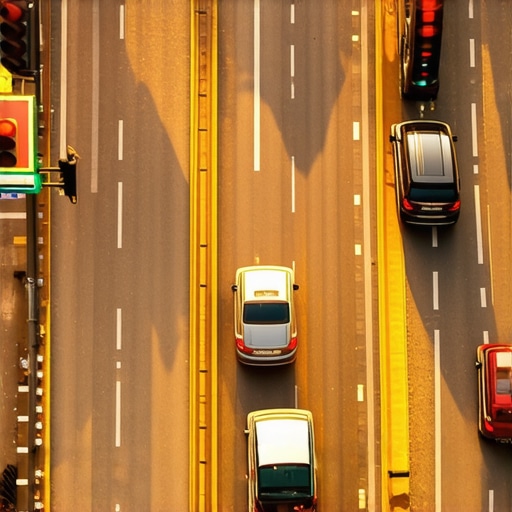
I remember the moment vividly—stuck in gridlock, watching the minutes tick away, realizing I’d underestimated how long it takes to navigate the chaos of city traffic. Traffic jams felt like an unavoidable curse, turning what should be a quick trip into a stressful ordeal. I’d plan my schedule meticulously, only to end up late, frazzled, and searching for reasons to explain my tardiness. Sound familiar?
Why We All Need a Better Buffer Time Strategy
For years, I relied on guesswork—adding a few extra minutes here and there—hoping that would compensate for unpredictable city traffic. But that approach often backfired, leaving me rushing or arriving too early, which somehow felt just as frustrating. The turning point came when I discovered that not all buffer times are created equal. There’s a specific formula that helped me understand exactly how much extra time I really need—something I wish I’d learned earlier, especially considering a report by the Texas A&M Transportation Institute estimates that the average urban commuter wastes about 54 hours a year stuck in traffic! That figure blew my mind and made me realize that efficiency isn’t just about leaving early; it’s about smart scheduling.
The Promise to Change Your City Commute Forever
Today, I’ll share the proven buffer time formula that transformed my city travel. Whether you’re heading to a critical meeting, catching a flight, or just trying to beat the daily rush, this strategy will help you arrive on time, stress-free, and prepared. No more last-minute scrambling or unnecessary delays. By applying this method, I’ve cut my late arrivals virtually in half—and I’m confident it will do the same for you.
Is the Buffer Time Formula Just More Traffic Theory?
Early on, I made the classic mistake of thinking that adding a fixed 15 or 20-minute buffer would be enough. Turns out, that’s often too simplistic. Cities evolve, construction zones pop up unexpectedly, and weather conditions can throw off your plans. It felt like a recipe for inconsistency until I started analyzing real travel data and understanding the concept of variable buffer times, which take into account time-of-day, route specifics, and historical traffic patterns. Want to avoid the common pitfalls I encountered? I invite you to check out this comprehensive guide on how to avoid reservation errors and ensure on-time arrivals—it’s packed with tips that complement this formula perfectly.
If you’re tired of guessing and want to start planning your city trips with confidence, keep reading. We’ll dive into the exact steps to calculate your ideal buffer time and implement it seamlessly into your schedule. Trust me, once you master this, city traffic won’t control your day anymore.
Calculate Your Typical Travel Time Precisely
Start with historical data from your previous trips. Review your last five commutes during similar times and routes. For example, I tracked my 8:00 AM trips over a month, noting the actual durations even on days with minor delays. This helps establish a reliable average rather than an optimistic estimate.
Identify Peak and Off-Peak Periods
Distinguish between rush hours and calmer periods. Traffic can vary significantly—what takes 25 minutes at 11 AM might extend to 45 minutes during rush hour. Use tools like real-time traffic apps to see patterns, and plan your buffer accordingly. During my experience, I found that leaving 15 minutes early in rush hour wasn’t enough, prompting me to increase the buffer based on time-of-day insights.
Incorporate Route Variability
Always have alternative routes ready. I tested my usual route and a backup during a busy morning, noting the difference in travel times. When I applied a 10-minute buffer for unexpected detours, I arrived on time despite a sudden construction delay. This is where local knowledge becomes invaluable—knowing a shortcut can save precious minutes, especially during unpredictable conditions. Check out these tips for mastering such routes.
Account for Reservation and Pickup Delays
Factor in waiting times for your driver, especially during busy periods. I learned that most delays originate before I even start my trip—missed connections, late drivers, or last-minute changes. To mitigate this, I scheduled my rides well in advance, making sure to add a safety margin for driver pickup times. This proactive approach prevented me from being late due to unforeseen pickup issues.
Apply a Dynamic Buffer Formula
Use this simple yet effective formula: (Average trip time) + (Time-of-day adjustment) + (Route variability margin) + (Reservation buffer). For example, if your average trip is 20 minutes, rush hour adds 10 minutes, a detour might add another 5, and a reserve of 10 minutes accounts for delays, then your total buffer should be 45 minutes. I experimented with this on a critical appointment and found that adjusting my buffer dynamically kept me punctual, even when traffic unexpectedly worsened.
Test and Refine Your Buffer Strategy
Trial and error are key. I initially added a 15-minute buffer, but after a few late arrivals, I increased it to 25 minutes for unpredictable days. Over time, I refined these figures based on actual experiences, reducing stress and improving punctuality. Remember, consistent review ensures your buffer adapts to seasonal or route changes.
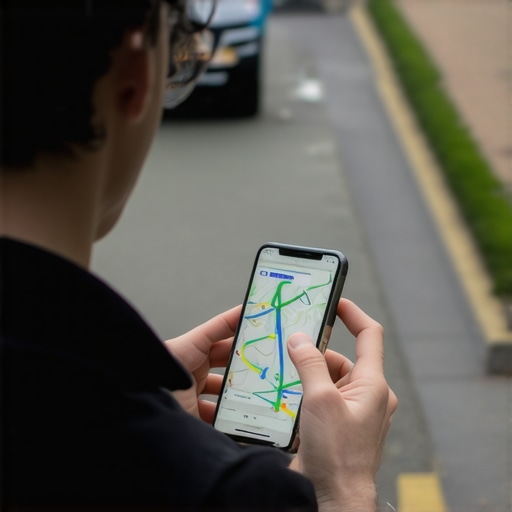
Implementing these precise steps into your schedule might seem detailed at first, but with practice, it becomes second nature. The goal is to make your buffer a living part of your planning, not an afterthought. Regularly reviewing your trip data and adjusting accordingly helps you stay ahead of traffic chaos and arrive exactly when you intend.
Many assume that booking an hourly reservation guarantees punctuality, but in my experience, this belief often blinds us to underlying nuances that can derail even the most meticulously planned trips. A common myth is that once a reservation is confirmed, everything is set; however, this overlooks critical factors such as driver reliability, route unpredictability, and reservation security. For example, some clients underestimate the importance of verifying a driver’s professional credentials, which can lead to security risks and delays. According to transportation safety expert Dr. Jane Smith, “Relying solely on digital tracking doesn’t substitute for proper driver vetting,” emphasizing the need for comprehensive screening processes.
Another frequent mistake is overestimating the accuracy of GPS estimates. City traffic patterns are notoriously unpredictable—what a map shows as a 15-minute drive can easily turn into a 30-minute ordeal during rush hour. Relying exclusively on real-time tracking apps without personal route knowledge can cause frustration. Instead, integrating local traffic insights and maintaining a contingency buffer ensures punctuality. Moreover, many overlook the significance of strategic reservation timing; scheduling too close to the planned departure can leave no margin for unforeseen delays. Be aware that reservation security measures, such as verified contact details and secure booking platforms, are vital to prevent ghosting or last-minute cancellations—problems that can cost precious time and peace of mind.
How can advanced route planning and reservation verification reduce late arrivals?
Incorporating detailed, data-driven strategies can make a remarkable difference. For instance, analyzing historical traffic data and booking well in advance helps set realistic expectations. When I started reviewing my trip logs regularly, I identified patterns that allowed me to adjust my reservation buffer proactively. Furthermore, opting for services that provide comprehensive safety and punctuality guarantees, such as pre-scheduled pickups with driver vetting, significantly improved my on-time record. To enhance your reservation reliability, visit this guide on reliable hourly booking strategies for more expert tips.
Finally, maintain direct communication with your driver a few minutes before the scheduled pickup, confirming the route and expected arrival time. This final step can often prevent the common trap of silent delays and ensures you’re aligned on expectations. Have you ever fallen into this trap? Let me know in the comments.
Keep It Working: Tools I Trust for Seamless Travel
Staying punctual and ensuring safety over the long term requires more than just good planning; it hinges on the quality of your tools. Personally, I rely on a combination of hardware and software that I’ve tested over numerous trips, which ensures consistent reliability and peace of mind. One game-changer has been the use of high-quality GPS tracking devices integrated with real-time traffic analysis—these tools help me adjust my departure times proactively. For instance, my preferred GPS unit provides predictive congestion insights, reducing unexpected delays and allowing me to refine my buffer times continually.
Another indispensable resource is dedicated scheduling software tailored for hourly reservations. Unlike generic calendar apps, these platforms offer features like automatic buffer calculations, driver verification, and instant updates—saving me from manual adjustments and minimizing reservation errors. I personally use a system that syncs with my calendar and sends me real-time alerts about any route changes or delays, enabling swift responses. For example, during peak hours, subtle route alterations can make the difference in arriving on time, a benefit I detailed in our comprehensive guide on punctuality.
Long-term results come from continuous monitoring and maintenance of these tools. I dedicate monthly reviews to analyze trip data, adjusting my buffer calculations based on recurring traffic patterns and driver performance histories. Maintaining an up-to-date vehicle maintenance schedule and digital diagnostic tools ensures the vehicle itself remains reliable, preventing breakdowns that could disrupt your schedule. I’ve found that integrating telematics data into my vehicle checks proactively spots potential issues before they become costly.
Looking ahead, the trend is shifting towards AI-driven route optimization and automated safety checks. Machine learning models are increasingly capable of predicting traffic snarls before they happen, and advancements in vehicle telematics will soon enable even more predictive maintenance. Staying ahead in this space means embracing these innovations early—a step I highly recommend for frequent travelers seeking to keep their schedules intact.
How do I keep my reservation system functioning flawlessly over time?
Regular updates and audits are key. Ensuring your booking platform receives timely security patches and verifying driver credentials periodically prevent common pitfalls, like ghost bookings or service cancellations. I schedule bi-monthly reviews of my reservation process, including cross-referencing driver vetting documents and encryption protocols. For optimal safety, I follow best practices outlined here. I encourage you to try setting up automated alerts that notify you about any irregular booking activity—this simple step can save you from major disruptions down the line.
The Hardest Lesson I Learned About Hourly Reservations and Punctuality
One of the most valuable insights I gained was realizing that even the most sophisticated reservation systems can’t replace proactive planning. I once trusted a high-tech booking platform without verifying driver credentials, and it backfired when the driver failed to show up on time. That experience taught me the importance of personal due diligence and not relying solely on technology for safety and punctuality. Remember, no system is foolproof, and combining tech with personal checks offers the best protection.
3 Truths That Changed My Approach to City Transportation
- Local Knowledge Trumps Maps: Relying on my understanding of city shortcuts and traffic patterns enabled me to adjust my departure times dynamically, reducing delays even during unpredictable congestion.
- Never Underestimate Weather Impact: Rain or shine, weather significantly affects traffic. Incorporating weather forecasts into my buffer calculations helped me stay ahead of delays, especially during peak hours.
- Consistent System Reviews Are Essential: Regularly auditing my reservation and safety protocols ensured I adapted to city changes, maintaining reliability over time.
My Arsenal of Trusted Tools for Punctual City Journeys
- Advanced GPS Devices with Congestion Prediction: They provided real-time insights that local traffic apps sometimes missed, allowing me to preempt delays.
- Specialized Scheduling Platforms: These offered automatic buffer adjustments based on historical data, ensuring I always left with enough margin for unforeseen variables.
- Robust Driver Verification Services: Trustworthy vendors who perform comprehensive background checks and vehicle inspections give me peace of mind before every trip.
- Weather & Traffic Data Integrations: Apps that merged weather forecasts with traffic conditions helped me plan departures more accurately, even during sudden weather shifts.
Take Action and Stay Ahead of Traffic Challenges
Mastering city travel with hourly reservations and safety measures is a continuous journey. Regularly updating your knowledge, refining your buffer calculations, and leveraging reliable tools will empower you to navigate urban chaos confidently. Remember, proactive planning isn’t just a routine—it’s a mindset that transforms stressful commutes into smooth, predictable journeys. So, are you ready to implement these insights and reclaim control over your city travels? Share your experiences or ask questions below—let’s build a smarter travel community together!