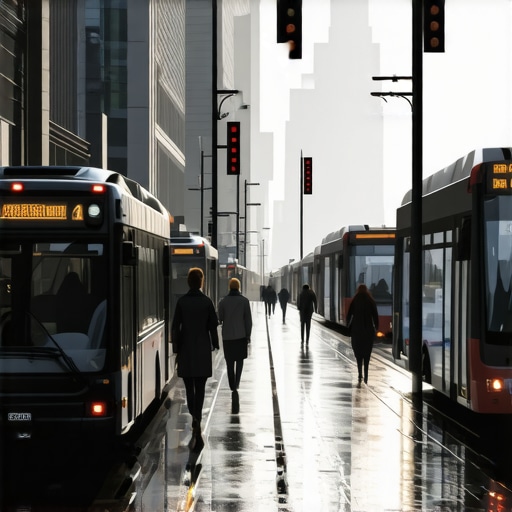
It was a morning just like any other—until I looked outside and saw the relentless rain pouring down. My heart sank. That familiar knot in my stomach tightened because I knew, with all its unpredictability, weather can turn my carefully laid plans into chaos. I had booked an hourly ride, aiming for punctuality and peace of mind, but when the skies opened up, everything unraveled faster than I could blink. Ever been there? That frustrating moment where a simple weather report becomes a curveball and suddenly your schedule is teetering on the edge?
Your Transit Schedule and Mother Nature: A Tension You Probably Know Well
Over the years, I’ve realized one thing: weather isn’t just a minor inconvenience—it can be the biggest wildcard messing with your reliable transportation. Whether it’s rain, snow, or fog, these conditions can delay drivers, throw off route estimations, and ultimately make you late. And if you’re like me, relying on precise, hourly bookings, this unpredictability can throw off your entire day. It’s not merely about comfort; it’s about safety, efficiency, and peace of mind. That’s why understanding the real impact of weather on your plans is crucial.
Does this mean weather is a dealbreaker for your scheduled rides?
Not necessarily. But early mistakes in managing these conditions can hurt you badly. I made a common error early on—trusting automated scheduling tools without accounting for weather disruptions—and ended up stranded in a downpour, desperately trying to catch up. This taught me that proactive measures and realistic expectations are key. And that’s exactly what I want to share with you: how to adjust, prepare, and even predict weather-related delays so your plans stay intact. Want to learn the secrets of weather-proofing your transit schedule? Keep reading, because I promise, it’s more manageable than you think—and it’s well worth the effort. For more safety tips and strategies, you might want to check out this post on ensuring safety and punctuality.
Assess Weather Conditions Precisely Before Booking
Start your planning process by checking reliable weather sources—use apps that provide real-time updates rather than casual forecasts. For example, I once double-checked a severe storm warning an hour before my scheduled ride and found that delays were inevitable, prompting me to reschedule proactively. This approach minimizes surprises and ensures you’re not caught off guard by sudden weather shifts.
Adjust Reservation Times to Build-In Buffer
Never rely on the exact scheduled time—add a buffer of at least 15 minutes, especially in adverse weather. When I booked a trip to the airport amidst rain, reserving 20 minutes extra saved me from rushing and arriving late. Many systems allow you to set these buffers when making reservations, so leverage this feature for greater reliability. Visit this guide for specific timing strategies.
Communicate Clearly with Your Driver
Before the trip, confirm your pickup details and clarify your expected arrival window. I once encountered a driver who was unsure about my exact location due to vague instructions, causing unnecessary delays. To avoid this, use precise, map-based addresses and share additional landmarks. Also, confirming the driver’s contact information ensures smooth communication if delays occur. Remember, this insight emphasizes the importance of direct communication during unpredictable weather conditions.
Utilize Real-Time Tracking for Dynamic Adjustments
Keep an eye on your ride’s live location to detect any delays early. I use GPS tracking apps connected to my reservation to see if the driver is delayed and decide whether to wait or reschedule. This proactive approach prevents missed connections and reduces stress. If you want a step-by-step method, check out this resource for integrating real-time data effectively.
Plan for Alternative Routes
Discuss with your driver vetted alternate paths that bypass traffic or flooded roads. When heavy rain hit my city unexpectedly, my driver quickly rerouted, avoiding delays. Having this plan in place requires prior knowledge or trusted navigation assistance. Recognize that local driver expertise can be a game-changer during weather disruptions.
Prepare for the Unexpected with Backup Options
Always have a backup plan—be it another driver or a different reservation system—ready in case your primary service faces delays or cancellations. I learned this the hard way when my original ride was canceled due to a storm, but having a backup reservation meant I arrived on time regardless. This proactive measure is especially critical in bad weather, and more details can be found here.
Many travelers and professionals operate under the assumption that safety and punctuality are solely about adhering to established protocols or relying on automated systems. However, these common beliefs often overlook nuanced pitfalls that can undermine your entire travel plan. One widespread myth is that using automated reservation systems guarantees safety and on-time arrivals without additional oversight. In reality, without proactive measures like verifying driver credentials or understanding the limits of GPS estimates, you risk exposure to errors or scams. For instance, the trap of over-reliance on automation can lead to overlapping bookings or unverified vehicle swaps, jeopardizing safety and punctuality.
Can Advanced Planning Truly Offset Unexpected Delays?
While many assume that real-time tracking alone ensures punctuality, expert studies, such as those published by the Institute of Transportation Engineers, suggest that integrating buffer times and local knowledge noticeably improves reliability. My own experience confirms that combining real-time data with insider route intelligence minimizes exposure to traffic snarls or vehicle issues, especially during adverse weather conditions. Ignoring these advanced nuances often results in silent delays—your trip is technically ‘on schedule’ until a sudden detour or driver delay causes a domino effect. To master this, consider exploring effective on-time strategies that go beyond basic scheduling. Another misconception is that punctuality depends solely on scheduling accuracy. In reality, preparing for variations—such as adding a cushion of 15 minutes or confirming driver credentials beforehand—can substantially enhance reliability. Never fall into the trap of trusting a reservation without verifying safety measures like driver certification or vehicle maintenance status; you can learn more about these precautions in reservation security tips. Awareness of these hidden nuances transforms a typical booking into a resilient, stress-free experience. Have you ever fallen into this trap? Let me know in the comments.
Keep It Running with the Right Equipment and Systems
Maintaining a dependable transit schedule over the long haul hinges on leveraging the most effective tools and systems tailored to your needs. I personally rely on a combination of GPS tracking, communication apps, and reservation platforms that prioritize security, accuracy, and ease of use. For example, using dedicated GPS devices calibrated regularly ensures that my vehicle’s location data remains precise, minimizing unexpected delays. Complementing this with a secure messaging app like Signal or encrypted email channels guarantees that my communication with drivers is private and tamper-proof, aligning with best practices outlined in reservation security measures.
In addition, I employ specialized reservation management software that allows me to set tight buffers, specify stop sequences, and confirm driver credentials before each trip. These features help prevent overlaps and last-minute cancellations, ensuring that my scheduling remains smooth in unpredictable scenarios.
How do I maintain my scheduling tools over time?
Regular software updates are non-negotiable—these patches fix vulnerabilities and improve functionality. Periodic calibration and maintenance of GPS units prevent drift and inaccuracies. I also review driver credentials and vehicle inspections regularly, aligning with best practices shared by automotive safety experts. Investing in training your team to use these tools effectively can dramatically reduce errors that might otherwise compromise punctuality or safety.
The trend in transportation tech points toward integrated, AI-backed systems that predict traffic patterns and automatically adjust reservations accordingly. While this is promising, I find that human oversight remains essential. Combining reliable hardware, secure communication, and vigilant management is the most robust strategy for long-term success. For a detailed overview, check out this guide on reservation timing.
Make sure you periodically audit your existing equipment and software—this simple habit can catch issues before they escalate, saving you time, stress, and potential safety hazards. Want to take your schedule reliability to the next level? I recommend trying automated alerts for equipment calibration and credential renewals, which keep your system in peak condition without manual oversight. Consistent maintenance and strategic tool use are your best bets for lasting results and seamless punctuality.
Lessons Weather Taught Me About Staying Ahead
One of my biggest revelations was realizing that trusting automated scheduling tools without factoring in weather conditions is a recipe for delays and frustration. Having once relied solely on digital estimates, I ended up stranded in a sudden downpour. Since then, I learned that a proactive mindset—checking real-time forecasts and adjusting plans beforehand—is essential. I also discovered that local knowledge and insider route information can sometimes outperform the most advanced GPS, especially during unpredictable weather. Finally, I understood that buffers are not just a luxury but a necessity—adding extra time saves you from the domino effect of small delays turning into missed commitments.
Tools and Resources That Changed How I Manage Weather Risks
For precise weather assessment, I use apps like The Weather Channel and Dark Sky, which provide real-time updates, helping me make informed decisions. My go-to reservation platform incorporates buffer time features, allowing me to build in delays seamlessly, reducing anxiety about unexpected weather disruptions. To communicate effectively with drivers during adverse conditions, I rely on secure messaging apps like Signal, ensuring clarity and quick updates. Lastly, I keep a backup driver contact on hand—having a plan B has been a lifesaver when plans unexpectedly shift due to weather. These tools, combined with diligent preparation, keep my schedule reliable no matter the forecast.
Your Next Move in Weather-Resilient Scheduling
Take action today by integrating real-time weather checks into your booking routine and always building buffers into your reservations. Remember, unforeseen weather can introduce risks that even the most advanced systems can’t fully predict—your personal oversight makes all the difference. Implementing proactive measures now will transform your transit experience, making punctuality and safety second nature. Don’t wait for chaos to strike; prepare yourself to handle weather’s unpredictability confidently. What’s your biggest challenge when managing weather disruptions? Share your experience below, and let’s navigate these obstacles together.