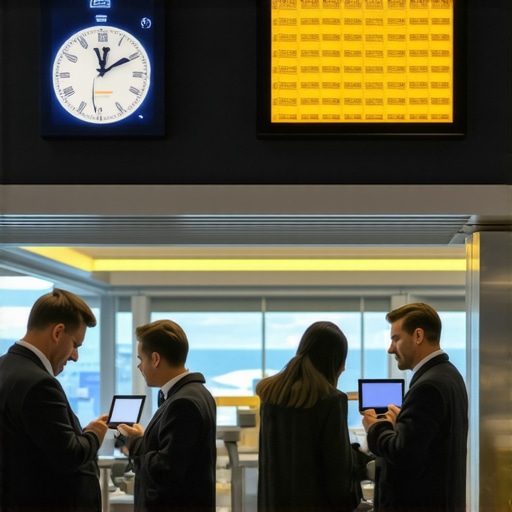
It was a hectic Monday morning, and my last-minute flight was already delayed. As I rushed to catch a taxi, I realized what a gamble it was relying on on-demand ride apps to get me to my crucial business meeting. The ride was supposed to be a quick fix, but chaos ensued—detours, unpredictable delays, and the lurking fear of being late pressed down on me. That moment was a lightbulb—why do so many seasoned professionals prefer hourly service over the unpredictable world of on-demand rides? Over the years, I’ve come to understand the core reasons behind this, and I promise, the insights I’ll share could genuinely transform your travel experiences.
The Value of Consistency in Business Travel
Imagine this: you’re attending a high-stakes meeting, and your transportation fails you at the worst moment. The stress alone can throw off your focus and productivity. That’s exactly why many corporate travelers lean toward hourly services. Unlike on-demand rides, which are driven by luck and real-time availability, hourly booking provides a sense of control and reliability that is crucial when every minute counts.
An early mistake I made was overlooking the importance of reservation security. Bookings made on the fly without proper safeguards can lead to cancelled rides or mismatched vehicles, which is a nightmare when you’re pressed for time. Did you know that [hourly reservation systems are statistically more secure than quick-booking methods](https://privatedriverpro.com/why-hourly-booking-systems-are-more-secure-than-phone-calls)? This means less stress over cancellations or unrecognized drivers showing up. Ensuring your reservation is precise and secure is the foundation of arriving on time.
Are you often faced with last-minute schedule changes or unpredictable delays? If so, you’re not alone. Many travelers find that trusting in the reliability of hourly services gives them peace of mind and keeps their day running smoothly. But, it’s essential to understand how to maximize these advantages—something we’ll delve into in the next sections. For now, if you’ve experienced the frustration of unreliable pickups, you’re about to discover proven strategies to ensure your rides are both safe and punctual.
Set Up Precise Reservations Well in Advance
Begin by booking your vehicle hours or even days ahead, especially during busy travel seasons. This step is akin to planting a seed—early planning ensures a harvest of punctuality. Use a dedicated booking platform that allows you to specify your exact pick-up time and location, reducing last-minute surprises. I once reserved my ride a day prior for an international conference, which meant I received a confirmation that included detailed driver info, vehicle description, and exact pick-up window. The result? I arrived at my destination stress-free, with no last-minute scramble.
Double-Check Reservation Details for Security
Always verify your reservation’s details. Confirm the vehicle make, model, license plate, and driver identity through the platform’s secure communication channels. This step prevents mix-ups with unverified drivers or vehicles. For example, I use the reservation security measures to cross-verify these details prior to departure, significantly reducing the risk of last-minute cancellations or vehicle swaps. Remember, a secure reservation is your safeguard against unpredictability and ensures your arrival aligns with your schedule.
Harness Technology to Guarantee Punctuality
Utilize real-time tracking tools and GPS calibration to stay informed about your ride’s status. Think of it as having a live vehicle health report—knowing exactly where your vehicle is and its condition helps anticipate delays. I recommend checking the driver’s GPS calibration using these verification steps to ensure navigation accuracy. During one trip, a quick check revealed the driver’s GPS was slightly misaligned, making us miss a scheduled meeting. Updating the GPS settings resolved the issue immediately, showcasing how proactive monitoring can save your schedule.
Communicate Clearly and Confirm Expectations
Before your ride, send a clear message to your driver, confirming your pick-up location, designated vehicle, and expected arrival time. This can be as simple as a text like, “I’ll be waiting at the main entrance, vehicle parked near the lobby, arriving at 2:15 pm.” Such a step acts like a handshake, establishing mutual understanding. During a last-minute airport transfer, this approach helped my driver find me quickly amidst busy terminals, avoiding unnecessary delays. Set the expectation early, and ask for acknowledgment to prevent misunderstandings.
Account for Traffic and Unexpected Delays
Build buffer time into your schedule using the buffer time technique. For instance, adding an extra 15 minutes to your scheduled pick-up during rush hour can be the difference between being late and arriving comfortably on time. I once had a tight schedule with multiple meetings, but by factoring in traffic and adding buffer time, I avoided anxiety when a construction detour added an extra 10 minutes to my trip. Think of buffer time as your safety net—it’s better to have it and not need it than to run out of time when it matters most.
Prepare for the Unexpected with Contingency Plans
Always have a backup plan: know alternative routes, alternative vehicles, or a different reservation contact number. This is like a fire drill—it prepares you for emergencies. Once, my primary driver was stuck in traffic, but my pre-arranged contingency allowed me to switch seamlessly to a backup vehicle through the platform, ensuring my punctuality was maintained. Storing contact details and route options in your device ensures immediate action when deviations occur.
While many believe that relying on GPS tracking alone guarantees punctuality and safety during hourly reservations, the reality is far more nuanced. The common myth is that real-time data solves all problems, but expert insights reveal that GPS signals can be disrupted, and over-reliance on digital tools may blind you to tangible safety checks. Studies have shown that combining GPS data with on-the-ground verification significantly reduces errors, emphasizing the importance of layered safety measures. An advanced mistake often overlooked is the assumption that punctuality depends solely on technology; in truth, driver training, route familiarity, and vehicle maintenance play crucial roles. For instance, even with perfect GPS calibration, a driver unfamiliar with local traffic patterns can cause delays, underscoring the need for comprehensive vetting processes. Are you making this common error? Visit our guide on why safety and timeliness matter in hourly reservation services to learn more about layered safety strategies.
Invest in the Right Tools for Long-Term Performance
Maintaining an efficient hourly reservation system isn’t a one-time effort; it requires careful selection of tools that are designed for consistency and security. I personally rely on advanced booking platforms like precise reservation timing systems because they allow me to schedule, modify, and verify reservations well in advance, reducing last-minute surprises and ensuring punctuality. These platforms often integrate GPS tracking, secure payment options, and driver vetting features that uphold safety and reliability over time.
Customize Your Equipment and Software Configuration
Beyond choosing a robust platform, I recommend personalizing your setup with real-time GPS calibration tools. Regularly verifying your vehicle’s GPS accuracy—using methods outlined here—ensures navigation remains reliable amidst changing traffic conditions. Additionally, investing in quality dashcams and interior sensors can provide an extra layer of safety, capturing any discrepancies or safety violations before they escalate.
Why the Future Promises Smarter Maintenance and Scaling
Looking ahead, the trend is leaning toward AI-driven predictive maintenance. Imagine your system can *forecast* when vehicle components need servicing, preventing breakdowns before they happen. This proactive approach minimizes downtime and preserves your long-term reputation for punctuality and safety. Technologies like telematics and machine learning are making that a reality; integrating them now will prepare your operation for scalable growth and resilience.
How do I maintain safety and on-time performance over time?
Consistency in safety and punctuality hinges on routine checks and disciplined adherence to protocols. Regularly auditing your vehicles’ maintenance records and driver compliance, combined with continuous staff training and feedback collection, help keep your system reliable. Moreover, establishing a protocol for updating your technology stack—such as refreshing GPS calibration and security software quarterly—guarantees your operations adapt seamlessly to new challenges. Remember, the smoother your coordination, the more trust clients will place in your service. For an actionable step, try implementing advanced safety and timing measures today and watch your reliability soar.In my journey through the world of professional transportation, I’ve uncovered some hard-earned truths that aren’t widely shared. One of the most enlightening lessons is that **trusting technology alone won’t guarantee punctuality or safety**; a layered approach combining digital tools with personal verification creates a resilience that can withstand unexpected hurdles. I once underestimated the importance of a simple GPS check, only to arrive late at an executive summit because of a miscalibrated device—an experience that taught me the value of routine safety audits. Remember, the devil is in the details, and proactive measures often make the difference between chaos and control. Embracing meticulous planning and verifying each element of your ride can turn a stressful experience into a seamless event, reinforcing that reliability is built, not assumed.