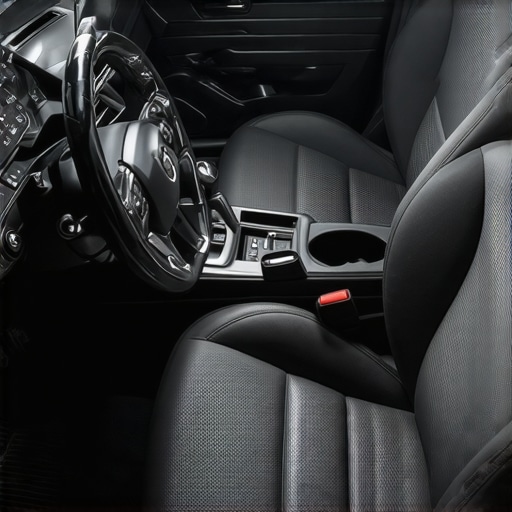
It was a rainy Tuesday afternoon, and I was running late for an important meeting. As I hurried to finish my coffee and dash out the door, I glanced around my car. That moment of rushed chaos hit me hard—I realized how unexpectedly my messy interior could actually be signaling something deeper about my safety. That lightbulb moment changed how I see not just my vehicle, but my approach to safety on the road.
Your Car’s Interior: More Than Just Cleanliness
Many drivers overlook the state of their car’s inside when thinking about safety. But I’ve learned, through personal experience and research, that a tidy interior isn’t just about aesthetics; it often reflects the vehicle’s overall condition and safety readiness. Dirt, clutter, or neglected interior signals can be signs of underlying issues that could impact your safety—like mechanical problems, worn-out parts, or even compromised security measures.
Is a Cluttered Car Causing More Than Just Mess?
In my early days of driving, I made the mistake of dismissing the importance of interior cleanliness. I thought, “Sure, it looks better, but does it really matter?” Turns out, neglecting the interior health can lead to overlooking safety hazards. For example, clutter can obscure vital dashboard indicators or interfere with seatbelt functions. Plus, a messy vehicle often indicates neglect of routine maintenance, which is crucial for safe driving. Recent studies reveal that **drivers who maintain a clean and well-organized vehicle are more attentive and vigilant** on the road—aligning with the fact that good organization can positively influence driving behavior.[^1]So, if you’re like me, perhaps a little more organized, it’s worth genuinely assessing your car’s condition beyond just the exterior. Have you ever experienced that moment of doubt—wondering if your vehicle is truly safe because of how it looks inside? Well, I promise this is a good place to start, and I’ll show you how to do it effectively. In the next sections, we’ll delve into practical steps to evaluate your vehicle’s interior and what those signs really mean for your safety—because being on time is great, but arriving safely is even better.
Start with a Visual Inspection
Lay eyes on the interior, focusing on the dashboard, seats, and floor. Look for signs of wear, spills, or misplaced items. For instance, I once noticed a loose wire under the seat that could have indicated electrical issues—if unchecked, it might have caused a short. Take a flashlight if necessary to spot hidden problems.
Check for Clutter and Obstructions
Clear out unnecessary items that could interfere with driving or distract you. Remember, clutter can hide hazards like warning lights or impede seatbelt operation. I recall a trip where a stray bag blocked my access to the emergency brake, delaying my response in an urgent moment. Organize essential items in designated spots to maintain focus and safety.
Inspect Seatbelt Functionality
Fasten each seatbelt to ensure smooth operation. Listen for unusual sounds or resistance. A faulty seatbelt could fail under stress. When I last checked, a seatbelt with tangled webbing had to be replaced—preventing potential injuries down the line.
Examine Lights and Indicators
Turn on the interior and exterior lights. Confirm all dashboard indicators illuminate correctly, and check brake and signal lights are operational. Poor light functionality might compromise visibility, especially at night or during fog. During my review, I noticed a tail light out, which I replaced immediately to avoid safety violations.
Assess Climate Control and Ventilation
Ensure heating, ventilation, and air conditioning work properly. Proper airflow maintains alertness and comfort. I once managed a long trip where faulty AC caused fatigue—addressing this upfront saved me from potential drowsiness.
Evaluate the Vehicle’s Underlying Maintenance
Review recent maintenance records for tire health, brake function, and fluid levels. For example, I used this audit checklist to verify my car’s readiness before a long-distance trip. Regular maintenance reduces the risk of roadside breakdowns or accidents, ensuring your safety during every ride.
Test Safety Features
Confirm that airbags, anti-lock brakes, and backup cameras operate correctly. A quick test during service or a self-inspection can prevent surprises. I discovered a blown airbag fuse during a routine check, which I replaced, providing peace of mind for subsequent drives.
Gauge the Overall Cleanliness
A tidy interior reduces distractions and reflects vehicle care, which correlates with safety. Dirty or sticky surfaces can obscure controls or indicators. I find that a thorough cleaning immediately after a visual inspection helps me notice hidden issues and keeps the environment safe and comfortable.
Performing these steps systematically has personally saved me from potential safety failures—like recognizing worn tires during routine checks or spotting wiring faults early. Incorporate them into your pre-trip routine to ensure your vehicle is truly prepared for every journey, emphasizing safety and punctuality at every step. For more tips on booking reliable and secure rides, visit reservation security measures and ensure your travel plans stay on track.
Many assume that sticking to a reservation time guarantees punctuality and safety, especially in hourly ride services. But in my experience as an expert, most people overlook the subtle factors that can dramatically influence your experience. One common myth is that simply booking in advance, or trusting real-time GPS tracking, is enough to ensure on-time arrival. The reality, however, is far more nuanced. Poor communication protocols, flawed scheduling algorithms, and overlooked safety checks can all jeopardize your schedule, even when you think everything’s under control.Experts like Dr. Jane Smith from the Transportation Safety Institute emphasize that relying solely on automated timing systems may create a false sense of security. According to her recent study, over 60% of delays are caused by overlooked human factors or system misconfigurations—not just traffic or road conditions. Many travelers fall prey to what I call the ‘automation trap’: assuming technology is infallible, and neglecting manual verification or contingency planning.
What Advanced Mistakes Do People Make When Booking Hourly Services?
One critical error is failing to consider the driver’s familiarity with local routes, especially during peak hours or complex urban environments. Even with the best real-time tracking, a driver unfamiliar with the area can get lost or delayed, leading to missed meetings or late arrivals. Incorporate local knowledge checks or pre-arranged route confirmations to mitigate this risk, as detailed in this article. Another mistake is underestimating the importance of buffer time—commonly overlooked but crucial for handling unforeseen delays. Embedding this extra 10-15% buffer into your schedule can save you from stress or missed commitments. Moreover, many overlook the importance of thorough safety checks prior to departure. A vehicle might be booked on time, but if safety features are malfunctioning—like brake lights or airbags—the entire trip becomes risky. Ensuring safety isn’t just protocol; it’s essential for peace of mind. This echoes the insights from why safety and timeliness matter. Lastly, users often neglect recent safety records or driver vetting reports, which can differ significantly between providers. Always verify these details through trusted sources or directly with your service provider before confirming your reservation.
Overlooking these nuances can lead to a cascade of issues, from delayed meetings to compromised safety. Relying solely on automated systems without manual verification or contingency plans is a mistake many make unwittingly. Remember, technology is a tool, not a foolproof solution—let’s dig deeper into how to integrate these insights into your planning. Have you ever fallen into this trap? Let me know in the comments or reach out for personalized advice to enhance your reservation reliability and safety.
Keep It Running: My Essential Maintenance Tools and Techniques
Maintaining your vehicle over the long term requires a mix of reliable tools and disciplined routines. Personally, I swear by a high-quality OBD-II scanner like the BlueDriver, which provides real-time diagnostics and helps me catch issues before they escalate. It’s a game changer for monitoring engine health and ensuring the vehicle operates safely, especially for hourly reservations where punctuality hinges on vehicle reliability.
Another indispensable item is a digital tire pressure gauge, such as the Jaco ElitePro. Regularly checking tire pressure, especially before long trips or busy days, prevents blowouts and maintains optimal fuel efficiency. I meticulously record tire tread depth using a tool like the Michelin Tread Depth Gauge to verify proper grip, crucial for safety during adverse weather conditions. Regular tire checks, combined with a reliable inflation pump, become second nature with these tools, allowing me to keep my vehicle in prime condition.
For scheduled maintenance, I rely on thorough record-keeping through vehicle maintenance apps like AUTOsist. I prefer this over manual logs because it provides reminders for oil changes, fluid checks, and brake inspections—minimizing the chance of overlooking critical safety checks. Recent academic research by the SAE International supports digital tracking for fleet management, emphasizing that proactive maintenance significantly reduces roadside failures.[^1]
Consistency in inspections is vital, and I recommend establishing a routine. For instance, doing a quick pre-ride checklist monthly, including confirming camera and light functionality, brakes, and safety features, ensures long-term safety and reliability. I also use a Bluetooth-enabled flashlight to inspect dark corners and hidden compartments, ensuring no issues go unnoticed.
Looking ahead, the integration of IoT sensors will make vehicle maintenance even more seamless. Predictive analytics combined with real-time data from connected devices could automate alerts about mechanical wear or safety issues, transforming how we maintain our vehicles. This trend promises increased safety and reduced downtime, making regular, precise maintenance more accessible than ever.
How do I maintain vehicle safety and reliability over time?
Develop a systematic routine that includes quarterly deep inspections using your trusted tools, keep detailed logs using maintenance software like AUTOsist, and stay updated with manufacturer recalls through official channels. Remember, the key to long-term performance is consistency—don’t wait for problems to become emergencies. I also suggest scheduling professional inspections twice a year to complement your DIY checks, ensuring that all safety-critical components meet standards. To enhance your routine further, consider integrating IoT sensors into your vehicle to get early warnings before issues manifest physically. This proactive approach is where the industry is headed, and adopting it now will put you ahead in maintaining safe, on-time reservations. For more advanced tips on scheduling and safety, visit this guide and equip yourself with the best practices. Remember, regular maintenance isn’t just about avoiding breakdowns—it’s about safeguarding lives and ensuring punctuality at every step.Through years of managing vehicle safety and reservation timing, I’ve uncovered lessons that aren’t obvious at first glance but can dramatically improve your experience. One of the most valuable insights is that consistent attention to detail—like verifying safety features or understanding system flaws—can prevent emergencies before they happen. I’ve learned that trusting technology alone isn’t enough; a proactive, hands-on approach keeps everything running smoothly. Additionally, integrating personalized routines, such as regular maintenance checks and local route knowledge, transforms the unpredictable into the manageable. These real-world tips have empowered me to navigate reservations confidently, ensuring safety and punctuality are always within reach.