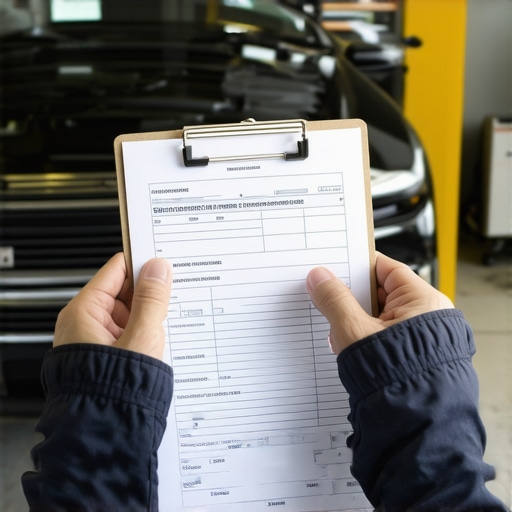
Have you ever stepped into a vehicle, only to be hit with that unsettling feeling—something just doesn’t add up. Maybe it’s a peculiar smell, a warning light blinking on the dashboard, or a rougher ride than expected. That lightbulb moment hit me hard early in my driving days when I overlooked the importance of checking maintenance records before a trip. I’ve learned the hard way that neglecting this simple step can turn a smooth journey into a headache, or worse, a safety risk.
Why Skipping Maintenance Checks Can Be Risky Business
Ensuring a vehicle’s maintenance records are up-to-date isn’t just a bureaucratic chore; it’s a vital step in guaranteeing safety, punctuality, and peace of mind. When I started paying closer attention to these records, I realized how often hidden issues lurk beneath the surface—worn brake pads, overdue oil changes, or tire wear that could jeopardize the trip. Making assumptions based on appearances can be misleading; a car might look fine but still harbor critical issues. A study from the National Institutes of Health highlights that mechanical failures are responsible for a significant percentage of traffic accidents, underscoring why diligent vehicle checks are non-negotiable.
Is Relying on Maintenance Records Really Worth It?
Early on, I made the mistake of trusting a vehicle based solely on its recent exterior appearance, ignoring the maintenance history. That oversight taught me a lesson I won’t forget—what’s written in the records can be a lifesaver. The real challenge is knowing what to look for and how to interpret the data accurately. A quick glance isn’t enough; I’ve found that systematically auditing maintenance logs reveals recurring issues and potential red flags, saving me from surprises on the road. Curious about how to perform a thorough vehicle maintenance audit? Stick around, because I’m about to share practical tips based on my experience that can make your prep work much smarter and safer.
Start With a Systematic Inspection
Think of checking your vehicle like performing a health check-up. I remember one trip where I ignored a minor fluid leak; it was subtle but indicative of a bigger issue. To avoid surprises, begin with a comprehensive visual scan, inspecting tire treads for wear, brake pads for thickness, and fluid levels. Use a flashlight to spot any leaks or corrosion. This initial step helps catch obvious problems that could compromise safety or delay your schedule.
Verify Essential Safety Components
Check Tire Integrity
Proper tire health is crucial. I personally look for tire treads that are sufficiently deep to ensure grip and prevent blowouts. I also examine sidewalls for cracks or bulges, which are signs of imminent failure. Rotated tires or uneven wear patterns can cause handling issues, so note any irregularities before hitting the road.
Inspect Brake System
Simply pressing the brake pedal should feel firm, and there should be no squealing sounds. I once found that the brake pads were worn to less than a millimeter thickness, which I could verify with a quick visual check. Replacing brakes before a long trip saves you from dangerous braking failures. Also, ensure the brake fluid reservoir is topped up and free of contaminants.
Evaluate Fluid Levels and Conditions
Oil, coolant, transmission fluid, and windshield washer fluid should be at appropriate levels. I keep a portable dipstick in my toolbox; it’s a real-time saver. Looking for dark, gritty oil or milky coolant indicates a need for servicing. Performing these checks keeps the engine running smoothly and avoids breakdowns that can cause delays.
Test Critical Systems
Engage essential systems like lights, indicators, and the horn. During a recent trip, I discovered a flickering taillight because I didn’t test all lights beforehand, which could have led to a traffic violation. Also, verify that the dashboard warning lights are functioning when you turn on the ignition, ensuring all alerts are operational.
Assess External and Interior Conditions
Clean windows and mirrors enhance visibility. Smudges or cracks can obscure your view, increasing safety risks. Inside, check the seat belts for fraying, and ensure the seat adjustments are working properly. A clean, comfortable environment contributes to alertness and safety during the drive.
Document and Log Findings
Maintain a checklist or digital record of your inspections. I use a smartphone app to note when each component was last checked or serviced. This habit not only helps in maintaining the vehicle but also provides evidence of care if issues arise later.
Prepare for Unexpected Issues
Carry essential tools—spare Tire, jack, jumper cables, and basic repair kits. During one trip, a flat tire caught me off guard, but having a repair kit and knowing how to use it saved the day. Always check that your roadside assistance contacts are accessible and up-to-date.
By following these concrete steps, you turn maintenance checks from a vague chore into a precise routine that boosts safety, reliability, and punctuality. Think of it as giving your vehicle a tailored health report—one that keeps your journeys smooth and stress-free.
Many professionals and travelers assume they understand the essentials of making reservations and maintaining punctuality, but several overlooked nuances can undermine even the most meticulous plans. Let’s dig deeper into common misconceptions and advanced mistakes that often trip people up, transforming simple tasks into complex challenges.
One widespread myth is that *simply reserving a service guarantees on-time arrival*. However, relying solely on reservation times without accounting for external factors like traffic, local events, or driver reliability can lead to delays. Advanced users know that integrating real-time monitoring and flexible buffers reduces this risk significantly, as highlighted by studies on travel reliability. For example, the strategies for punctual hourly bookings emphasize that proactive adjustments are essential for true reliability.
A common trap is overestimating the accuracy of GPS estimates, especially in dense urban centers. Many think that a driver’s ETA is gospel, but savvy clients understand that **local knowledge often beats digital maps**. Relying on driver expertise and pre-verified traffic patterns can prevent late arrivals that GPS alone might predict. According to transportation research, driver experience and knowledge of local shortcuts have a measurable impact on timeliness.
Another nuanced misconception concerns safety during short-notice or last-minute reservations. Many assume that booking instantaneously via apps is just as safe as scheduled, but this neglects the layered safety measures necessary for reliable service. Advanced protocols involve verifying driver credentials, vehicle compliance, and communication routines — details often overlooked by casual users. For insights into this, review reservation security practices that ensure safety isn’t compromised in the scramble for quick bookings.
And let’s not forget the importance of understanding red flags during reservation confirmation. Not all booking links are equal, and recognizing secure, professional communication channels can save you from scams or misbookings. An expert approach involves checking the physical details of your driver and vehicle and verifying digital credentials before entering sensitive information.
Finally, the ‘oops’ factor often involves neglecting to account for unforeseen issues like pickup zone ambiguities, driver fatigue, or device malfunctions, all of which can subtly sabotage even the best plans. For instance, understanding that overly optimistic buffers can ironically cause delays encourages more conservative planning, ensuring you arrive relaxed and prepared.
Have you ever fallen into this trap? Let me know in the comments.
Keep It Working: Tools and Techniques for Long-Term Vehicle Reliability
Ensuring your vehicle stays in top condition isn’t just about quick fixes; it’s a strategic process that involves using the right tools and habits to monitor and maintain performance over time. Personally, I rely on a combination of high-quality diagnostic devices, meticulous record-keeping, and proactive maintenance routines. These practices help me catch issues early, avoid costly repairs, and keep my rides punctual and safe.
How do I maintain my vehicle over time?
One of the most invaluable tools in my kit is a professional OBD-II scanner, like the BlueDriver. Unlike generic code readers, this device syncs with my smartphone, providing real-time diagnostic data on engine performance, emission status, and sensor issues. I use it monthly to run a proactive check, catching problems such as misfires or pending sensor failures before they escalate. This approach also helps me coordinate maintenance, like oil changes or brake inspections, based on actual data rather than just mileage or time intervals.
In addition to hardware, I leverage specialized software such as reservation management platforms that seamlessly integrate vehicle data, scheduling, and safety protocols. These systems help synchronize maintenance schedules with booking commitments, ensuring that vehicles are always ready and safe for clients, reducing last-minute surprises and downtime.
Moreover, I keep meticulous logs of all inspections and repairs—digital spreadsheets that track tire tread depths, fluid changes, and brake pad wear. Regular visual inspections complement these logs and help me verify that no subtle issues are slipping through. It’s a combined effort—digital tools for precision and physical checks for intuition—that keeps my fleet running smoothly.
Future trends in maintenance tools
Looking ahead, I predict an increased integration of AI-driven predictive analytics in vehicle maintenance. Sensors embedded within vehicles will continuously analyze data, forecasting failures before they happen and scheduling preventive interventions automatically. As this technology matures, staying ahead means adopting these innovations early, turning maintenance from reactive to predictive. Bold steps now can significantly reduce unforeseen breakdowns, ensuring ongoing safety and punctuality.
Prioritize safety and punctuality with smart management
Combining advanced diagnostic tools with well-structured routines forms the backbone of reliable reservation services. For example, by implementing precise reservation timing strategies, I ensure that maintenance aligns with booking schedules, avoiding delays or safety compromises. Staying vigilant, adopting smart tools, and planning ahead are key to delivering consistent, safe, and timely experiences for clients. Keep in mind, the earlier you catch potential issues, the less likely they are to disrupt your operation—so I recommend trying out a professional OBD-II scanner and setting a regular maintenance schedule today. Not only will this extend your vehicle’s lifespan, but it also guarantees safety and on-time performance, reinforcing your reputation. Ready to upgrade your routine? Dive into the latest diagnostic tech and see how it transforms your reliability.
The Hidden Wisdom From Years of Fine-Tuning
One of the most profound lessons I learned is that the smallest details often make the biggest difference. Forgetting to verify the driver’s credentials or neglecting a simple communication protocol can unravel hours of meticulous planning. Early in my experience, I discovered that trusting digital estimates alone was a risky gamble; local knowledge and a proactive mindset are irreplaceable. Patience and attention to detail—especially during peak hours—are my guiding stars, preventing delays and mishaps. These lessons underscore that precision isn’t about perfection but about anticipating and acting on overlooked cues that most ignore.
Tools That Transform How I Manage Reservation Safety
My toolkit includes tools like the hourly booking strategies resource, which offers insights into aligning schedules tightly with real-time conditions. Additionally, I trust the buffer time calculators that help me build safer margins into every reservation. Using a dedicated diagnostic scanner ensures vehicle readiness, reducing surprises during critical moments. Combining technology with a disciplined routine keeps safety and punctuality at the forefront, empowering me to deliver consistent excellence.
This Is Your Invitation to Elevate Your Standards
Reliability in reservation, hourly, and safety isn’t just a goal; it’s a continuous journey. I invite you to embrace the meticulous practices and trusted tools that have transformed my approach. By prioritizing proactive checks and strategic planning, you can elevate your service and build trust that lasts. Remember, every small improvement accumulates into a remarkable difference—so take that step today, and watch your confidence and reliability soar. The future of reservation safety is within your reach, and it starts now.