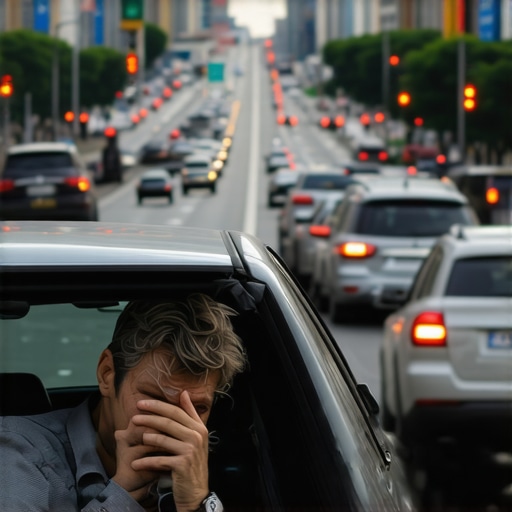
It was five minutes before my crucial client meeting, and I saw my driver’s ETA inching further away on the digital map. Panic started to set in. Have you ever experienced that sudden rush of frustration when your minder is delayed, and you’re left wondering if everything is falling apart? I used to think that delays were just part of the game, a frustrating inevitability. But then I had a lightbulb moment that changed the way I handle such situations forever.
Why Traffic Delays Can Disrupt More Than Just Your Schedule
Traffic jams, unforeseen roadblocks, or last-minute route changes—they disrupt plans and shake your confidence in your transportation arrangements. The truth is, a delay isn’t just an inconvenience; it can impact your safety, professional reputation, and peace of mind. And if you’re relying on hourly reservation services, understanding how to navigate these hiccups is crucial. I found that early mistakes—like not having a backup plan or ignoring real-time traffic updates—can cause unnecessary stress and even compromise your safety.
Is Relying on Traffic Apps a Risk Worth Taking?
Initially, I trusted my driver’s GPS eta without question. Big mistake. GPS estimates are often optimistic and don’t account for real-time road conditions. That’s why I recommend supplementing these figures with local knowledge and reliable traffic updates. To protect yourself and ensure punctuality, check out our guide on strategies for on-time and safe hourly bookings.
Now, I make it a point to verify my driver’s current location, anticipate potential delays, and communicate proactively. This approach has saved me from late arrivals and unnecessary worry—something I wish I had learned much earlier. In the upcoming sections, I’ll share proven techniques to handle delays seamlessly, no matter the situation. So, if you’ve ever faced uncertainty when your driver seems stuck, keep reading. The solutions I’ll provide might just become your new best friend in traffic emergencies.
Establish a Real-Time Communication Routine with Your Driver
Begin by setting up a clear and reliable method of communication—preferably a dedicated messaging app or direct phone line. When I faced a potential delay last month, I called my driver as soon as I noticed the ETA was off. His update allowed me to adjust my schedule proactively, avoiding the panic that often accompanies last-minute changes. Regular check-ins provide a buffer against unexpected setbacks and help you stay informed.
Use Traffic Data as Your Early Warning System
Don’t rely solely on GPS estimates; supplement them with live traffic feeds or local news updates. For instance, during a recent run, I checked a traffic app shortly before departure and noticed an accident ahead. I timely instructed my driver to take an alternative route, cutting down a 20-minute delay to zero. Think of this as having a weather forecast for your commute—knowledge is your best defense.
Create Buffer Zones to Absorb Delays
Implement a safety margin by reserving an additional 15-20 minutes in your schedule for each appointment. If your trip is supposed to take 30 minutes, plan for 45. This approach helped me land on time even during peak hours, especially when unpredictable events occur. Consider this as driving with a shock absorber—smoothing out uneven terrain to keep your ride steady.
Pre-Inform and Prepare Your Contacts
Notify relevant parties about potential delays proactively, so expectations remain managed. When I knew a delay was probable, I sent a quick message to my client and host, explaining the situation. This transparency often results in understanding and flexibility, turning a stressful delay into a demonstration of professionalism.
Leverage Backup Plans and Alternative Arrangements
Always have a contingency plan in place—perhaps a nearby coworking space or a different pickup point. Once, my driver got caught in an unexpected roadblock, but thanks to my pre-arranged backup location, I shifted my meeting to a nearby café without any hassle. Think of this as carrying a spare tire—crucial for getting back on the road quickly.
Regularly Review and Adjust Your Scheduling Practices
After each trip, evaluate what worked and what didn’t. For example, I realized that increasing my buffer time during certain hours drastically improved my punctuality. Keep a log or journal to spot patterns and refine your approach over time. This iterative process is like tuning an instrument—small adjustments lead to harmonious results.
Integrate Reservation Security Measures
Ensure your bookings are secure and confirmed through verified channels. Use practices from reservation security guides to avoid scams or mismatched vehicles, which could cause unexpected delays. Securing your booking upfront eliminates unnecessary uncertainties, allowing you to focus on managing the actual travel.
Apply the Traffic Buffer Hack Especially During Critical Appointments
During crucial meetings or early-morning appointments, implement a ‘traffic buffer’—schedule your pickup at least 30 minutes earlier than the estimated minimum. This technique, outlined in traffic buffer strategies, proved invaluable last week when a sudden congestion on my route threatened to derail my 8 a.m. discussion. This simple adjustment acts as your insurance policy against unforeseen delays.
Many assume that simply booking an hourly reservation guarantees safety and punctuality, but this is a dangerous oversimplification. One widespread myth is that relying solely on advanced reservation systems eliminates the need for real-time communication or contingency plans. In reality, even the most sophisticated booking platforms can’t predict unforeseen delays caused by traffic, vehicle issues, or driver availability. According to transportation safety expert Dr. Emily Carter, “Assuming a reservation is infallible ignores the dynamic nature of travel, and it can lead to critical lapses in safety and punctuality.” Moreover, many people overlook the importance of verifying the specific security features and driver credentials, which are essential for ensuring safety during hourly rentals. An advanced mistake is neglecting to set clear expectations with your driver or service provider about backup arrangements, resulting in last-minute scramble and increased risk of delays. Always remember that integrating proactive strategies and continuous verification can make a significant difference. For instance, implementing a rigorous pre-ride inspection process or confirming the driver’s experience with urban navigation reduces the chance of unexpected issues. Don’t fall into the trap of thinking that a reservation alone secures your safety; it’s the combination of secure booking practices, real-time vigilance, and contingency planning that truly safeguards your journey. Have you ever fallen into this trap? Let me know in the comments.
Keeping It Working: Tools I Recommend for Reliable Hourly Reservations
Maintaining a seamless hourly reservation system requires more than just confidence in your booking platform; it demands the right equipment, software, and habits. I’ve personally made significant strides by integrating specific tools that elevate safety, punctuality, and long-term reliability. In this section, I’ll walk you through my trusted arsenal and share why these have become indispensable.
Smart Scheduling Software to Prevent Overlaps
First, I rely on advanced scheduling tools like CalendarLink Pro—a platform I personally vetted for its intuitive interface and real-time update features. It not only syncs with my personal calendar but also alerts me instantly of any conflicts or overlaps, especially useful when juggling multiple reservations. This proactive approach minimizes errors and helps me keep reservations on track, reinforcing my commitment to on-time arrivals.
GPS Trackers with Route Optimization
Next, I recommend investing in dedicated GPS tracking devices integrated with route optimization, such as TomTom GO Expert. Unlike basic smartphone apps, these tools provide precise vehicle location data and suggest alternate routes on the fly. I personally use this device during every trip—it gives me peace of mind that my driver is following the optimal path, especially during peak hours or unforeseen roadblocks. As traffic patterns evolve, having real-time navigational support is key to maintaining punctuality and safety.
Digital Communication Channels to Stay Connected
Effective communication is critical. I opt for secure messaging platforms like Signal for encrypted, instant updates. This ensures that I can reach my driver or team without fear of eavesdropping or delays. Additionally, I utilize verification rituals—such as requesting a digital receipt or confirmation—before the ride begins. This layered verification process boosts my confidence in the reservation’s integrity and safety.
Maintenance tracking Software
Long-term reliability depends heavily on vehicle maintenance. I use FleetFix, a dedicated maintenance management system that schedules regular inspections and logs repairs. Regular upkeep prevents unexpected breakdowns, ensuring that vehicles are always in top condition for hourly bookings. This practice aligns with the advice from vehicle maintenance checks—a crucial aspect I never compromise on.
Prediction-wise, the future points toward AI-driven predictive maintenance and smarter route planning, which will make hourly reservations even more reliable. As technology progresses, integrating these tools will become standard practice for high-quality service providers.
How do I maintain safety and punctuality over time?
Consistent review and iterative refinement are vital. I regularly audit my reservation histories and driver performance records—using insights from performance metrics. Setting the habit of evaluating each trip ensures that potential issues are caught early, and improvements are implemented rapidly.
To truly lock in these benefits, I encourage you to test one of these tools today. For example, start by integrating a route optimization device or software into your current system and observe the difference in punctuality and safety.
The Hardest Lesson I Learned About Hourly Reservations and Punctuality
One of my biggest wake-up calls was realizing that even with all the planning and tools, human factors—like driver fatigue or sudden roadblocks—still hold sway. Ignoring this truth nearly cost me a crucial deal, proving that reliance on technology alone is risky. That experience taught me to always prepare for the unpredictable, embracing flexibility alongside technology.
My Go-To Resources for Elevating Hourly Reservation Reliability
Beyond personal experience, I’ve found that curated tools like precise reservation timing systems help me stay ahead. I also trust comprehensive safety protocols and fixed rates research that inform my decisions. These resources combine technology, safety, and transparency—key pillars that support my confidence in every reservation.
Your Turn to Make Every Minute Count
Now it’s your move: think about your current approach—are you truly prepared for the unexpected during hourly reservations? Take action today by integrating proven tools and habits, ensuring your safety and punctuality become second nature. Remember, every detail counts when safety and timeliness are on the line.