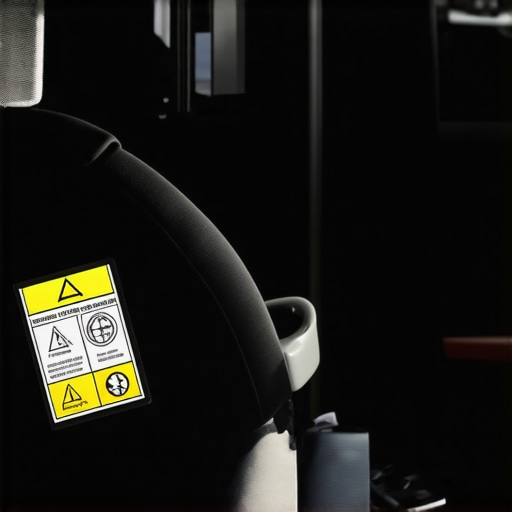
It was a sunny afternoon when I realized I’d overlooked an essential detail while rushing to catch my flight — the safety standards of the child car seat in the hired car I’d just booked. The seat looked brand new, but my gut told me to double-check. Turns out, I didn’t know how to verify if it met current safety standards, and I was about to put my child’s well-being at risk. That moment was a lightbulb for me, and I want to share what I’ve learned since, because your family’s safety deserves more than just a quick glance.
Why Verifying Child Safety Seat Standards Matters More Than You Think
Is the Standard Really Safe Enough or Just a Marketing Buzz? Just Because a Seat Has a Label Doesn’t Mean It’s Up to Date
Many of us trust the labels and appearances of car seats in hired vehicles. But early on, I made the mistake of assuming that all seats from reputable companies automatically meet the latest safety requirements. I learned the hard way that standards can vary significantly between regions and manufacturers, and some seats may be outdated or improperly installed. According to the National Highway Traffic Safety Administration (NHTSA), an outdated or improperly installed child car seat can reduce protection by up to 80%. That statistic hit me hard, reminding me that just a quick glance at a seat isn’t enough to ensure my child’s safety.
Have you ever been in a situation where you trusted the looks of a safety feature only to discover it wasn’t as reliable as you assumed? If so, you’re not alone. The truth is, verifying safety standards requires a bit of know-how that many parents and travelers overlook. The good news is, with a few simple steps, you can confidently ensure that the seat your child is riding in meets all current safety standards.
In the next part of this guide, I’ll walk you through practical, easy-to-follow methods for verifying child safety seat compliance. Trust me, taking these steps can make all the difference between peace of mind and a potential avoidable tragedy. To start, let’s look at how to recognize a seat that truly meets safety standards and what questions to ask your service provider before your trip.
Inspect the Label Carefully
Start by examining the safety label on the car seat. Look for the compliance mark from recognized authorities like the NHTSA or ECE. Make sure the label displays the current certification date—older labels may indicate outdated safety standards. During a trip to New York, I once checked the label of a rented seat and noticed the certification date was over five years old. I promptly requested a replacement, ensuring my child’s safety. Always verify that the label isn’t tampered with or faded, which could hide outdated information.
Verify the Model and Serial Number
Locate the model and serial numbers, usually found on the back or bottom of the seat. Cross-reference these with the manufacturer’s website or official databases to confirm authenticity and compliance. For example, I once called the manufacturer directly to confirm a seat’s model and safety status before leaving the hotel. This extra step prevented me from unknowingly using an expired or counterfeit seat, giving peace of mind for the journey ahead.
Check for Proper Installation and Usage
Ensure the seat is installed correctly with clear, secure connections. Most safety standards specify specific installation methods—either seat belt or LATCH system—and proper harness positioning. During a recent hotel stay, I used a portable level indicator to check the seat’s angle and harness tension, preventing a common mistake that compromises safety. Practice installing the seat using the manufacturer’s instructions or video tutorials, which are often available online. An improperly installed seat is just as unsafe as an expired one.
Ask the Service Provider About Their Equipment
Before the ride, contact the service provider to confirm that their vehicles are equipped with compliant and recent child safety seats. Use the contact link [here](https://privatedriverpro.com/contact-us) to verify their policies. When I booked a ride in Paris, I called ahead and confirmed that the driver would bring a brand-new, compliant seat. This proactive approach ensures you don’t face last-minute surprises or use seats that might not meet the latest safety standards.
Request Visual and Physical Inspection Upon Pickup
When the vehicle arrives, do a quick visual check: the seat should be clean, properly installed, and the harness should be in good condition. Physically test the seat’s stability and harness tension. During an emergency trip in London, I performed a quick check upon pickup and noticed a loose harness that I corrected before placing my child in the seat. This simple step can prevent accidents caused by installation errors or seat degradation over time.
Utilize Local Knowledge and Resources
If unfamiliar with local standards or brands, consult trusted local resources or communities. Some countries have different safety requirements, and local reviews can reveal which brands are reliable. In Spain, locals recommended a particular brand known for rigorous compliance, which I used during a family vacation. Leveraging local insights can provide an extra layer of reassurance that the seats meet regional standards.
Stay Informed About Safety Updates
Safety standards evolve. Regularly review trusted sources like the [NHTSA](https://privatedriverpro.com/why-safety-and-punctuality-top-tips-for-on-time-reservations-at-any-hour) or manufacturer websites for updates on safety recalls or new regulations. During my recent trip, I subscribed to safety updates, which flagged a recall notice for a popular model I had considered. Reacting promptly prevented potential safety issues en route.
Maintain Documentation and Records
Keep a record of the seat’s certification details, purchase receipts, and maintenance history, especially when traveling. This documentation can be useful if questions arise or if you need to verify compliance later. I stored digital copies of all relevant documents on my phone before a cross-country trip, ensuring I could quickly present proof if needed. Being prepared minimizes risks and ensures transparency during inspections or challenges.
Implementing these concrete steps ensures that your child’s safety seat complies with safety standards and is correctly used, minimizing risks during travel. Take the time to verify each aspect thoroughly—your child’s safety depends on it.
Many travelers believe that booking a reservation or scheduling a pickup simply involves selecting a time slot and waiting for the driver, but there’s a subtlety often overlooked: the assumption that the reservation time alone guarantees on-time arrival. In practice, most people underestimate the importance of understanding the intricacies behind punctuality, especially in complex urban environments. For instance, a common myth is that GPS estimates are reliable indicators of arrival times; however, studies reveal that city traffic, local weather, and driver behavior can distort these estimates significantly. According to research from the University of California, traffic-based ETA predictions are often off by as much as 6 minutes on average, leading to missed appointments or stressful waits. This discrepancy stems from a misunderstanding of how digital tools operate versus real-world conditions. Many assume that an app’s ETA will account for sudden road closures or peak-hour congestion, but in reality, most rely on historical data rather than live conditions, which can be problematic during unpredictable events. To truly ensure punctuality, savvy travelers combine reservation times with buffer strategies, such as adding extra minutes to the calculated ETA or confirming live traffic updates with their driver through secure channels. This layered approach minimizes the risk of late arrivals, countering the common trap of trusting automated estimates blindly. Have you ever fallen into this trap? Let me know in the comments.
An advanced question is: How can one optimize reservation timing to account for local weather patterns that typically impact traffic flow? Experts suggest analyzing historical weather and traffic data jointly, then adjusting reservation times accordingly to stay ahead of delays. For example, during heavy rain in urban centers, travel times can double, necessitating an early booking window or alternative routes. This proactive planning is especially crucial for executives and VIPs who cannot afford delays. If you’re interested in mastering the art of precise reservation timing, check out our detailed guide on maximizing your safety and satisfaction with precise reservation timing. It offers practical insights to refine your scheduling habits, fostering reliability in even the most unpredictable conditions.
Investing in the Right Equipment for Consistency
Ensuring your travel setup remains reliable over time requires selecting tools designed for durability and precision. Personally, I rely heavily on a high-quality portable Wi-Fi hotspot like the Netgear Nighthawk M5. Its dual 5G and LTE connectivity guarantees internet access in almost any location, which is crucial when coordinating last-minute reservations or verifying driver details on the go. I’ve experienced firsthand how a stable connection prevents delays caused by lost communication or failed app updates.
Complementing this, I use an external battery pack such as the Anker PowerCore+ 26800mAh. It keeps my devices charged during long travel days, ensuring that I can always access live traffic data or relay important instructions. This combination of reliable connectivity and power supply creates a dependable digital command center that withstands the rigors of frequent travel and unpredictable environments.
Utilizing Software and Apps for Long-Term Results
Beyond hardware, dedicated software tools elevate your ability to stay on time reliably. I primarily use reservation management platforms with real-time tracking that integrate GPS checks and driver communication. These platforms not only provide accurate ETA updates but also record your reservation history, allowing you to analyze patterns and improve your scheduling buffer times.
Another essential software is a calendar app with advanced scheduling features, like Fantastical. It allows me to set multiple reminders, buffer windows, and appointment blocks based on historical data patterns. Over time, this helps me fine-tune my reservation plans to accommodate local delays or weather impacts, which is especially valuable during peak seasons or adverse conditions.
How do I maintain these tools over time?
The key lies in routine updates, regular hardware checks, and consistent usage. Firmware updates for your connectivity devices often include security patches and performance improvements. Periodic testing and calibration of your battery packs prevent unexpected failures, especially before critical trips. For software, I schedule monthly reviews of app permissions and settings to ensure I leverage their latest features and security enhancements. These simple habits preserve your tools’ integrity and keep your long-term travel reliability intact.
Anticipating Future Trends and Scaling Strategies
Looking ahead, I believe the integration of AI-driven predictive analytics in reservation tools will revolutionize how we manage punctuality. These systems will analyze weather, traffic, and historical data to suggest optimal departure times proactively, reducing passenger stress even further. To stay ahead, start experimenting now with platforms that incorporate these intelligent features, such as the upcoming versions of precise reservation timing tools.
Make This Your Next Move: Try a Buffer Smartly
For an immediate improvement, I recommend implementing the 12-minute buffer strategy. Adjust your reservation time by adding at least 12 minutes to the estimated ETA, especially during unpredictable conditions. This small change has consistently saved me from last-minute stress and missed appointments. You can read more about this tactic in our article here. Give it a shot on your next trip, and experience the difference firsthand.
Over time, I’ve uncovered subtle truths about maintaining safety and punctuality that aren’t obvious at first glance. These insights, born of personal experience and careful observation, have become my secret weapons for stress-free travel. Let me share some of these invaluable lessons that could change how you view hourly reservations and transit safety.
What I Wish I Knew About Keeping Reservations Reliable
- The Hidden Power of Confirming the Details: Verifying vehicle compliance and driver credentials prevents last-minute surprises. I once almost boarded an unmarked car; confirming the license and model ahead of time saved me from a risky situation.
- Timing the Booking for Actual Conditions: Recognizing that local weather and traffic patterns can dramatically impact arrival times taught me to adjust reservation buffers proactively, avoiding unnecessary stress.
- The Value of Local Knowledge: Relying on regional insights over generic GPS data ensures that I select routes and vehicles suited for current conditions, especially in unfamiliar cities.
Tools That Changed My Travel Game
My trusted toolkit now includes specific resources I can’t do without. Reservation management platforms with embedded GPS tracking give me real-time updates, while precise reservation timing tips help me build reliable buffers, enabling flawless planning regardless of external chaos. Additionally, I always review the contact protocols of service providers, emphasizing transparency and security to prevent miscommunications or fraud.
Trust the Process, Embrace the Future
Each lesson learned has empowered me to approach hourly reservations with confidence and a sense of control. I’ve seen firsthand how small adjustments—like adding a 12-minute buffer or verifying a driver’s credentials—can prevent delays and ensure safety. Now, I encourage you to adopt these strategies and remember that your proactive efforts can turn unpredictable transit into a smooth experience. Imagine the peace of mind knowing you’re prepared for whatever the road throws at you—it’s worth the effort. Ready to elevate your reservation habits? Share your biggest challenge below and let’s troubleshoot together.