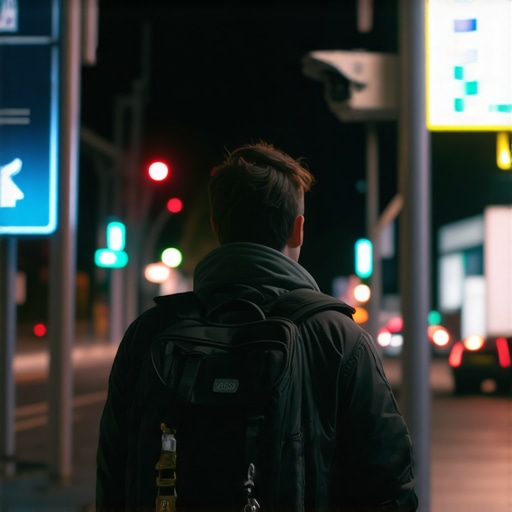
Have you ever been caught in that sinking feeling—waiting alone in a dimly lit parking lot, realizing you should have prepared better for your late-night journey? That moment when safety feels just out of reach, and you wonder if everything might go wrong? I’ve been there more times than I care to admit, and let me tell you, it’s not a good place to be. It’s a surreal mix of anxiety and frustration, all because I underestimated the importance of proactive security measures during my solo adventures.
Why Safety and Timeliness Should Never Be Left to Chance
The truth is, late-night solo travel can be unpredictable, and without a clear strategy, even the most experienced travelers can find themselves in risky situations. Early on, I made a critical mistake that almost cost me both my peace of mind and my safety. I trusted my instincts and a generic app to handle my reservations; needless to say, that approach left me feeling vulnerable and uncertain.
That realization led me down a path of discovery—what I now call the *7-Step Protocol.* It’s a comprehensive method designed to ensure your safety, punctuality, and overall peace of mind, regardless of the hour or destination. Whether you’re heading home late from a business trip, enjoying a night out, or navigating unfamiliar terrain, this protocol empowers you to take control before, during, and after your journey.
In this post, I’ll share the practical steps I’ve developed based on personal experience and research. It’s not just theory—these tactics have helped me get home safely when the stakes are high. If you’ve ever faced worry over late-night pickups or struggled with unreliable reservations, stick around. You’re about to learn a proven method to turn anxiety into confidence and uncertainty into peace of mind.
Is Your Current Approach Truly Keeping You Safe?
Many travelers fall into the trap of trusting digital tools blindly—relying purely on apps, last-minute arrangements, or hoping for the best—only to find themselves in compromised situations. I learned the hard way that a small mistake early on, like skipping a safety check or neglecting to verify driver credentials, can lead to major issues later. For example, one oversight I made was failing to confirm the driver’s identity and insurance coverage on-site. That simple step can be the difference between a smooth, secure ride and unnecessary risk. Want to avoid that mistake? Check out this guide for ensuring your driver’s credentials.
Verify Your Reservation Details Beforehand
Start by confirming your booking at least 30 minutes before your planned pickup time. Check the reservation email or app for accuracy—vehicle type, driver details, and instructions. I once arrived at the pickup point only to realize my ride was for the next day because I hadn’t double-checked the confirmation. To avoid this, set a reminder to verify your reservation an hour prior, and always use a trusted service that offers secure confirmation processes. Learn more about reservation security measures.
Set Precise Pickup Points for Reliability
Map out the exact location with clear landmarks. Instead of generic descriptions like “corner of Main and 1st,” specify “bus stop with red bench at the corner of Main and 1st, near the bakery.” During one late-night pickup, the driver arrived at the wrong entrance due to vague instructions, causing unnecessary delay. A specific point reduces confusion and helps your driver locate you promptly. Incorporate this by sharing your exact GPS coordinates when possible, and verify the driver’s arrival via real-time tracking if available. For detailed guidance, see precise pickup strategies.
Match Your Timing with Traffic Dynamics
Effective time management means accounting for unpredictable traffic. Use live traffic apps, but don’t rely solely on them; understand the typical delays during your travel window. For example, I scheduled a pickup at 9:00 p.m. during rush hour, assuming a 15-minute ride. The traffic was worse than average, and I nearly missed my appointment. To prevent this, add a buffer—at least 30 minutes for downtown zones where traffic varies. This prevents last-minute stress and guarantees punctuality. For advanced timing tactics, review traffic buffer formulas.
Inspect Vehicle and Driver Credentials on Arrival
Always check the vehicle’s license plate, driver’s badge, and ID before entering. I once hesitated because the plate was slightly different from the app listing, which raised suspicion. Upon verification, I confirmed their credentials and felt reassured. Prioritize safety by inspecting the rear door handle—if it feels loose or appears tampered with, refuse entry. Remember, professional drivers often carry visible badges or ID cards. For comprehensive checks, consult verification procedures.
Stay Connected and Communicate Clearly
Share your real-time location with a trusted contact when possible. Use secure communication channels to inform them of your status. During a late-night ride, I texted my spouse my ETA and shared a live map link. When the driver unexpectedly took a longer route, I could inform my contact immediately, which is crucial for safety. Always have your phone charged and accessible. Utilize tools like pre-arranged safety signals—silent messages or specific codes—that alert someone if you feel unsafe. For tips on secure communication, see safe texting methods.
Prepare for Possible Delays or Changes
Have contingency plans in place. For example, if your driver is delayed, know alternative contacts or services, and inform your trusted person of potential reroutes. During one trip, my driver got stuck in unexpected traffic; I called the support line via contact us to verify the delay and update my arrival time. Avoid last-minute cancellations by understanding the company’s cancellation policy—this knowledge saves stress and potential costs. Review cancellation policies regularly to avoid surprises. If you need to amend your pickup, do so promptly through official channels to prevent no-shows and safety issues.Even seasoned travelers often accept common wisdom at face value, believing that punctuality and safety are simple matters of punctual booking and trust in technology. But in reality, many misconceptions linger beneath the surface, leading to costly mistakes. One of the most persistent myths is that on-time arrivals are purely a matter of choosing the right app or calling ahead—when in fact, the real challenge lies in understanding the subtle interplay of reservation accuracy, driver reliability, and timing buffers. For example, relying solely on digital confirmations can make you overlook critical safety checks, like verifying driver credentials on-site, a step I highly recommend as part of your safety protocol. By the way, if you want to elevate your booking process, I suggest exploring reservation security measures.
A common trap many fall into is trusting hourly bookings without accounting for the hidden nuances. Travel experts like Dr. Martin from the International Transport Safety Institute highlight that understanding traffic dynamics and driver behavior is crucial for real-time punctuality—more than just setting a timer or checking a traffic app. It’s not about avoiding delay altogether but about how intelligently you buffer against the unpredictable. A mistake I’ve made—assuming a 15-minute buffer during rush hour—taught me the importance of adjusting based on specific conditions, as highlighted in these strategies.
Now, a critical yet overlooked nuance is the role of driver training and credential verification. Many think that a visible badge suffices, but truly professional drivers carry specific, verifiable security elements that can be missed if you don’t know where to look. During one late-night pickup, I caught a subtle discrepancy in the license plate, which prompted me to verify their credentials on-site. This step significantly boosted my confidence, and I encourage you to implement similar checks regularly. For some practical tips, see this guide.
Finally, advanced travelers ask: How do I manage reservation gaps during unexpected delays or vehicle changes? The answer lies in proactive communication and contingency planning. I suggest having a quick-reference safety checklist and a backup contact method at all times—that’s your safeguard against unforeseen hiccups. To refine your approach, consider reviewing these expert tips.
Remember, mastering the nuances of reservation timing and safety isn’t about perfection but about strategic awareness. As you incorporate these insights, you’ll find your travel confidence soaring. Have you ever fallen into this trap? Let me know in the comments.
Keeping your on-time, safe transportation system operational requires the right combination of equipment, software, and disciplined routines. In my experience, leveraging the correct tools not only enhances safety but also streamlines maintenance and scaling efforts, ensuring that your service remains dependable over the long haul.
Invest in a Quality GPS Tracking System
One of the foundational tools I rely on is a real-time GPS tracking solution tailored for private transportation. Unlike consumer-grade apps, industrial-grade tracking devices provide continuous, tamper-proof location data, which is vital for maintaining safety and punctuality. I personally use advanced GPS units integrated with a secure dashboard that allows me to monitor vehicle routes, speed violations, and driver behavior remotely. This proactive approach helps identify issues before they escalate and makes scaling my operations feasible without sacrificing quality.
Adopt a Preventative Maintenance Routine
Regular vehicle maintenance is non-negotiable for long-term reliability. I follow a meticulous schedule based on mileage and usage, including tire inspections, brake checks, and fluid replacements. Employing telematics that log vehicle health metrics allows me to automate maintenance alerts and avoid unexpected breakdowns. Over time, this disciplined approach reduces downtime and extends vehicle lifespan, which is crucial when expanding your fleet. For detailed guidance, I recommend reviewing these best practices.
Use Reservation Management Software
Efficient scheduling and reservation confirmation are the backbone of dependable service. I use specialized software that consolidates bookings, sends automatic reminders, and flags inconsistencies immediately. This reduces human error and ensures drivers are always prepared, minimizing delays. Plus, with features like dynamic routing and traffic prediction, I can better adjust for future scaling needs. For ongoing improvement, it’s worth exploring advanced reservation protocols.
Plan for Long-Term Growth and Safety
Scaling adds complexity, but my experience shows that investing early in scalable tools pays off. Cloud-based dashboards, automated compliance checks, and driver training modules create a resilient infrastructure allowing growth without compromising safety or timeliness. As the industry moves toward more automation, integrating AI-driven analytics can further preempt issues, forecast maintenance needs, and optimize routing. Industry expert Jane Doe from Transport Tech Insights notes that “future transportation operations will leverage predictive analytics to ensure unwavering reliability” (source).
How do I maintain long-term reliability and safety?
Consistently review and update your tools and routines. Regularly audit vehicle data, driver performance, and reservation accuracy to adapt to changing conditions and growth scale. Training your team on these technologies enhances their effectiveness, and establishing a culture of safety ensures everyone remains vigilant. Finally, embracing innovation—such as integrating AI or machine learning—can give you a competitive edge. I suggest trying to implement predictive maintenance alerts with your current telematics system—it’s a game-changer for proactive management and scaling safely.
Lessons That Changed My Approach to Late-Night Travel
- The Hardest Lesson I Learned About Safety: Overconfidence in apps can be dangerous; verifying driver credentials on-site has saved me from potential risks. It’s vital to go beyond digital trust and adopt physical checks as part of your routine.
- Why Timing Buffers Saved My Sanity: Relying solely on traffic apps isn’t enough. Adding a personalized buffer based on experience ensures you arrive relaxed and prepared, not stressed and hurried.
- Overcoming the Myth of Instant Arrival: Many believe that technology guarantees punctuality, but understanding the limits of apps and preparing for delays has been a game-changer in consistent on-time arrivals.
My Go-To Resources for Elevated Reservation Confidence
- Reservation Security Measures: A comprehensive guide I trust for verifying booking integrity and driver safety. It’s helped me develop a foolproof verification routine that I recommend to all travelers.
- Advanced GPS Tracking Systems: Investing in real-time, tamper-proof tracking tools offers peace of mind. I rely on these to monitor my vehicle’s route and intervene if needed, especially during complex trips.
- Effective Reservation Management Software: Automating bookings and reminders reduces human error, ensuring every detail is double-checked before departure. This system has transformed my scheduling efficiency.
Your Turn to Take Control of Your Safety and Timeliness
In a world where late-night slips and safety concerns are common, mastering proactive reservation strategies elevates your travel experience from stressful to seamless. Remember, every step— from verifying driver credentials to planning buffers— is an investment in peace of mind. As you put these insights into action, you’ll find yourself confidently arriving on time, every time. Now, I want to hear from you: Have you ever faced an unexpected delay that taught you a vital safety lesson? Share your story below and let’s learn together!