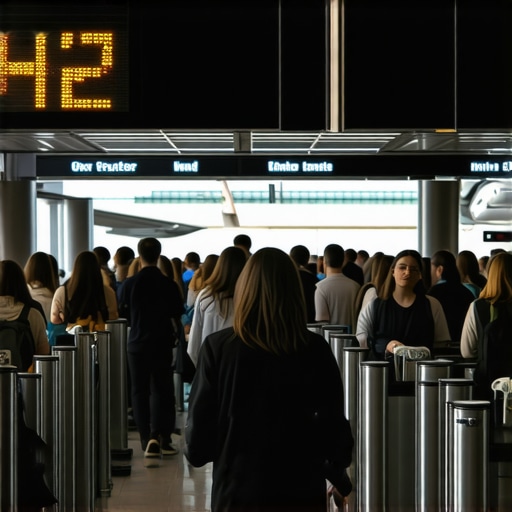
Ever found yourself racing through the airport, clutching your luggage, heart pounding, just to realize you’re running late? I used to be that traveler—always chasing the clock, frantically checking my watch, praying my ride would arrive on time. It felt like a constant battle against unpredictable delays and last-minute surprises, leaving me stressed and exhausted before even reaching my gate. One trip changed everything. I finally understood that a small, strategic buffer could save my sanity—and ensure I arrive on time every single trip.
The Breakthrough Moment in My Airport Routine
What If Six Extra Minutes Could Save Your Trip?
That lightbulb moment came during a busy holiday season, with snowstorms and heavy traffic looming. I realized that if I added just a tiny 12-minute cushion to my estimated pickup time, I could confidently handle delays, traffic snarls, or last-minute hiccups without the panic. It’s a simple concept, but one that changed my entire approach to airport transportation. Today, I want to share this game-changing technique—the 12-Minute Buffer—that guarantees you arrive on time, stress-free, whether you’re heading to a crucial business meeting or catching an international flight. And believe me, it’s backed by safety experts who stress the importance of proactive planning for punctuality, such as prioritizing safety and timeliness.
Why Most Travelers Miss Their Flights—and How a Simple Buffer Solves It
Here’s a truth I’ve learned the hard way: relying solely on real-time estimations is a gamble. GPS tracks can mislead, traffic always surprises, and even the most reliable apps aren’t immune to delays. I used to dismiss the importance of buffer time, thinking it was unnecessary. But early on, I made a mistake—trusting my scheduled pickup time without accounting for unexpected delays. That oversight left me sprinting through terminals, risking missed flights and stressful rebookings. Now, I always incorporate that crucial 12-minute safety net, which lets me adapt and stay ahead of delays, reinforcing the importance of planning for certainty over hope. Ready for a more reliable way to manage your airport runs? Stay tuned, because in the next sections, I’ll guide you step by step on how to implement this simple but powerful strategy, with tips to keep your travels smooth and stress-free.
Set Your Reservation with Confidence
Start by booking your ride well in advance, ideally 24 hours before your departure. Use a trusted platform that emphasizes safety and punctuality, such as mastering the art of reservation and safety. When making your booking, specify your desired pickup time, then add an extra 12 minutes buffer. Think of it as creating a safety net beneath a tightrope—your trip won’t fall apart if unexpected events occur.
Estimate Accurate Pickup Windows
Instead of relying solely on GPS estimates, incorporate real-time data to refine your window. For example, use resources like vetting your driver and adjust your pickup time based on current traffic conditions. The key is to think of your reservation as a flexible schedule, not a fixed point—and the 12-minute buffer acts as your safety margin, allowing for unforeseen delays.
Use Visual Cues and Confirmations
Always visually confirm your driver’s identity upon arrival. This step is crucial for safety and ensures you’re matched with the correct vehicle. How can you do this effectively? Check the license plate, verify the driver’s uniform, or ask for a quick ID check with driver ID verification. These small details help prevent miscommunications and keep your trip secure.
Communicate Your Buffer Clearly
When confirming your pickup, clearly communicate your estimated arrival time, mentioning the 12-minute buffer. For instance, tell your driver, “I’m ready in 10 minutes, but please account for a 12-minute buffer—so I’ll be ready around 10:12.” This sets expectations and aligns your schedule without leaving room for misunderstandings.
Adjust in Real-Time with Data
During your wait, monitor real-time traffic updates or live driver tracking if available. If delay signals appear, proactively let your driver know and reschedule if necessary. Think of this as navigational steering—by staying alert, you keep your journey predictable and avoid last-minute surprises. Use trusted tracking methods, avoiding unreliable apps, and instead rely on updates from your dispatcher or driver directly, as discussed in managing client meetings seamlessly.
Stick to Your Buffer, No Matter What
Every second counts. If your driver arrives early, be ready to load up immediately—your buffer ensures you stay punctual. If delays happen beyond your control, communicate promptly and use your added time to stay relaxed. Remember, the goal is not just arriving on time but doing so without stress, which the 12-minute rule significantly contributes to.
Reflect and Improve for Future Trips
After each journey, assess how well your buffer worked. Did delays occur? Was the extra time adequate? Use insights from your experience to refine your buffer—perhaps add a few more minutes during peak traffic days. Your evolving strategy will make punctuality second nature, backed by the confidence that comes with proactive planning.

When it comes to hourly reservations, there’s a trap many fall into: neglecting to specify precise pick-up points and confirmation procedures. Without detailed communication and verification, your driver might arrive at a different location—think hotel or airport—leading to delays and frustration. It’s crucial to understand that a simple verbal confirmation isn’t enough; visual cues and specific instructions are imperative for reliability. Advanced travelers often ask, “How can I ensure my driver is on the right path amidst unpredictable city traffic?” The answer lies in understanding how to leverage real-time data and precise communication—practices supported by safety experts and outlined comprehensively in resources like mastering the art of reservation and safety. Remember, the devil is in the details. Small oversights—like failing to account for local traffic patterns or assuming standard buffer times—can cause significant setbacks. Integrate backup plans and stay engaged during your ride, monitoring updates rather than trusting static estimates alone. Are you setting yourself up for safe, punctual journeys, or are hidden pitfalls lurking in your planning? Let’s dig deeper—share your experiences or questions below!
Keep It Running: Essential Tools for Consistent Punctuality
Sustaining a high standard of punctuality in your airport reservations isn’t just about knowing what to do—it’s about leveraging the right tools to make your workflow seamless and dependable over the long haul. One key tool I rely on is schedule synchronization software, such as Calendar Sync Pro. It automatically aligns your reservation times across devices, ensuring that your plan is always up-to-date and reduces the risk of double bookings or missed pickups. Additionally, I use real-time traffic data apps like TrafficAlert integrated with my dispatch system. These platforms provide hyperlocal traffic updates, enabling me to adjust pickup windows proactively—critical for maintaining that 12-minute buffer discussed earlier. In the future, predictive AI tools are expected to improve reliability further, analyzing historical traffic patterns to suggest optimal departure times even before issues arise. I highly recommend integrating such solutions now to future-proof your planning.
How do I maintain tools and methods over time?
Regular maintenance involves reviewing your system configurations, updating applications, and staying informed about new features or industry best practices. For example, periodically auditing your privacy and security settings ensures your data remains protected as your system evolves. Also, conducting routine tests of your synchronization and tracking setups helps identify and rectify any discrepancies before they affect real reservations. Staying engaged with your software providers’ updates—like new API integrations or security patches—can dramatically improve ongoing reliability. A disciplined review schedule, say every quarter, guarantees your tools are performing optimally, ultimately supporting on-time arrivals consistently.
Lessons the Road Taught Me About Staying Ahead
- Trusting technology alone is a gamble; real-time updates and personal vigilance make the difference—never underestimate the power of proactive communication.
- Buffer times aren’t just for delays; they’re your secret weapon against stress, giving you breathing room for unforeseen hiccups and peace of mind.
- Safety isn’t an afterthought—it’s built into your planning. Clear communication, driver verification, and confirming details are your best tools for secure travel.
- The most reliable travelers approach each ride as a customizable process, constantly refining their methods based on experience and new tools.
Tools That Turn Stress into Success
- Calendar Sync Pro: Keeps your reservation times perfectly aligned across devices, reducing double bookings and missed pickups.
- TrafficAlert: Provides hyperlocal traffic data, allowing you to adjust pickup times proactively and stay ahead of delays.
- Secure Booking Platforms: Ensure your reservations have the right policies and verification tools to safeguard your journey.
- Learn more about securing your ride with expert strategies on trusted reservation and safety practices.
Your Move Towards Peak Punctuality
Now that you understand the importance of a simple yet powerful 12-minute buffer, it’s time to take action. Applying this strategy consistently transforms your travel experience from chaotic to confident. Remember, small adjustments—like confirming driver identity or refining your pickup window—can have a profound impact on your safety and punctuality. So, what’s stopping you from implementing these tips on your next trip? Share your plans or questions below, and let’s make on-time arrivals the new normal for all travelers seeking stress-free journeys.