
I’ll never forget the chaos of trying to coordinate pickups for a high-stakes corporate event. The clock was ticking, schedules were tight, and some drivers were arriving early while others lagged behind. That feeling of helplessness when everything seems out of sync? It’s a familiar nightmare for many in logistics or executive transport. The worse part? I learned the hard way that without proper synchronization, even the best drivers can contribute to delays and stress.
Why This Matters More Than Ever
In our line of work, timing isn’t just a matter of convenience—it’s a critical component of safety, professionalism, and client satisfaction. Disorganized pickups can lead to missed deadlines, increased costs, and damaged reputations. For busy executives, their time is the most valuable asset, and any slip-up in scheduling can ripple into larger issues.
Over the years, I’ve realized that one overlooked detail can derail the entire operation: how well multiple pickups are synchronized. Imagine coordinating several vehicles for a day of back-to-back meetings or airport transfers. If the pickups aren’t coordinated, your team risks running late or, worse, leaving clients waiting in uncomfortable situations.
Recent studies indicate that up to 70% of transportation delays are caused by miscommunication or lack of real-time coordination (source). That’s staggering! The solution lies in effective synchronization—not just trusting GPS or static schedules but implementing systems that adapt on the fly. I’ve seen firsthand how small tweaks and strategic planning can make a difference, and I promise, the next sections will walk you through how to do just that.
Have you faced frustrating delays because your pickups were out of sync? If so, you’re not alone. Let’s explore how to change that today.
Streamline Your Schedule with Precise Coordination
Start by integrating your calendar with your transportation management system. Use apps that sync automatically to ensure your driver sees the most up-to-date schedule. For instance, I once coordinated a complex pickup involving five vehicles for a corporate seminar. By syncing my Google Calendar with the driver’s app via a reliable platform, I eliminated double bookings and last-minute changes. This proactive step can drastically reduce delays and ensure everyone arrives on time.
Set Clear Expectations with Drivers
Before the trip, communicate specific pickup points, preferred routes, and timing buffers. Think of it as preparing a relay race: each runner (driver) needs to know exactly when and where to start, so the baton—your client or package—reaches its destination smoothly. I recommend sending detailed instructions with visual maps and confirming receipt, especially for tight schedules. This transparency minimizes missteps and keeps the team aligned.
Implement Real-Time Communication Protocols
Equip your drivers with instant messaging tools or real-time tracking links. This allows you to make quick adjustments if traffic or other unforeseen delays arise. During a busy airport transfer, I used live tracking to monitor driver progress and notified clients of slight ETA adjustments, which improved their experience significantly. Remember, technology isn’t infallible; always have a backup communication plan—like a dedicated phone line or radio—to avoid sudden disconnects.
Use Buffer Zones to Manage Unexpected Delays
Build in extra minutes between pickups—called buffer zones—to accommodate delays without cascading effects. During a hectic morning schedule, adding a 10-minute buffer for each pickup prevented late arrivals, even when some drivers encountered road closures. A practical rule: for peak hours, allocate an additional 15-20% of your estimated travel time. This strategic margin acts as insurance against miscommunications or traffic snarls, ensuring your operation remains reliable.
Develop Contingency Plans for Peak Times
Anticipate high-demand periods by pre-arranging backup drivers and alternate routes. For a corporate client’s holiday event, I secured backup drivers and designated preferred routes to avoid traffic-heavy areas. It’s akin to having a fire escape plan—preparedness prevents panic and minimizes downtime. Regularly review your plans, especially during seasons prone to delays, and communicate these options clearly to your team.
Invest in Quality Reservation Systems
Choose platforms that support secure bookings, real-time updates, and driver verification (learn why safety and timeliness matter). Reliable systems act like a digital traffic controller, orchestrating pickups seamlessly. During one booking surge, switching to a trusted system kept my operations running smoothly despite increased demand, highlighting the importance of investing in robust technology.
Review and Adjust After Every Run
Post-trip analysis is essential. Track key metrics like punctuality, communication gaps, and unexpected delays. Use this data to refine your process continuously. For example, I noticed that many delays resulted from late driver arrivals at departure points, prompting me to implement stricter pre-trip checks and additional buffers. This iterative approach, grounded in active monitoring, is vital for maintaining synchronization accuracy over time.
By applying these concrete steps—integrating technology, establishing clear communication, building buffers, preparing contingency plans, and continuously reviewing—you can master the art of scheduling pickups with precision. Remember, synchronization is a living process that requires ongoing adjustment and attention to detail. When executed effectively, it transforms chaotic operations into reliable, stress-free logistics—benefiting clients, drivers, and your peace of mind.
Many professionals assume that simply booking a service in advance guarantees punctuality and safety. However, this belief overlooks crucial nuances that can undermine even the most meticulous plans. Let’s dig deeper into what most people get wrong about hourly reservations, on-time performance, safety, and the booking process itself.
Why Timing Doesn’t Guarantee Reliability
One widespread myth is that pre-scheduling ensures punctuality. While advance bookings are vital, they don’t inherently account for real-time variables like traffic, driver readiness, or unforeseen delays. Relying solely on static schedules can create a false sense of security. Advanced systems that incorporate real-time data are crucial for true reliability. Ignoring this nuance risks falling into the trap of assuming perfection where only preparedness exists.
Common Mistakes with Safety Assurance
Many believe that booking through well-known platforms automatically guarantees safety. However, not all systems use rigorous vetting or security protocols. Some lack encryption, verification steps, or proper driver background checks. This misconception can expose clients to fraudulent drivers or unsafe vehicles. To truly prioritize safety, it’s essential to understand the specific security measures employed during reservation. Don’t be lulled into complacency by generic assurances; always verify the platform’s integrity before booking.
Why ‘On Time’ Might Be Disappointing Without Buffers
Many operational plans neglect the importance of buffers—extra time allocated to absorb unexpected issues. The assumption that a reservation is enough to guarantee punctuality ignores the reality of traffic, driver delays, or last-minute route changes. Skilled professionals know that building intentional buffers into the schedule—not just trusting the original ETA—avoids the dreaded ‘Oops’ moments. Implementing buffer zones is a simple yet advanced strategy that separates good service from great.
How can reservation platforms reinforce safety and on-time performance effectively in volatile conditions?
Advanced platforms are integrating AI-driven traffic predictions, driver verification, and real-time communication to adapt dynamically. They also enforce strict security protocols—like SSL encryption and multi-factor driver authentication—to ensure bookings are legitimate. These measures collectively create an ecosystem where reliability isn’t left to chance but is engineered through layered security and adaptive logistics. Yet, many overlook these layers, assuming that booking alone suffices. To ensure true safety and punctuality, choose systems that combine precision with security.
Finally, always question: Are you aware of the security and reliability features of your reservation platform? If not, it might be time to explore options that prioritize safety and timeliness at their core. Misunderstanding these elements can lead to costly mistakes. Have you ever fallen into this trap? Let me know in the comments.
Keeping It Running: My Essential Tools for Long-Term Success
Consistency and reliability in hourly reservations demand more than just good intentions; they require robust tools tailored to meet the demands of real-time adjustments, security, and data accuracy. Over the years, I’ve gravitated toward specific platforms and methods that keep my operations smooth, efficient, and trustworthy.
One cornerstone of my setup is Calendar Integration. I use Google Calendar synced with dedicated driver apps. This seamless link ensures that schedules are always updated and visible across devices. Whenever a client requests a change, I modify the calendar, and the update propagates instantly, avoiding miscommunications and double bookings.
For real-time tracking and communication, I rely on Secure Messaging Platforms like Signal or WhatsApp. These allow instant updates about traffic, ETA adjustments, or safety concerns. Incorporating vehicle tracking tools like Fleet Complete or Verizon Connect adds an additional layer of oversight, helping me monitor all drivers without micromanaging, which builds trust and transparency.
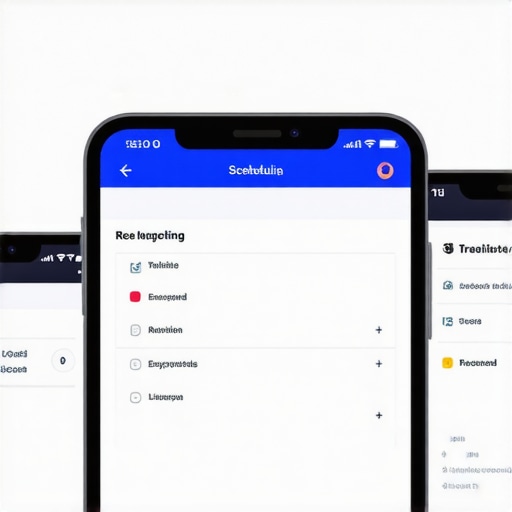
This image visualizes my dashboard with multiple integrations active, illustrating how data flows smoothly between scheduling, tracking, and communication apps, reinforcing reliability through technology.
Investing in Safety and Security
Security isn’t optional anymore. I prioritize platforms with top-tier security measures like SSL, driver verification, and encrypted data exchange. This ensures client info, payment details, and trip data remain protected while maintaining efficiency. Regularly auditing these systems—per security protocols—prevents vulnerabilities from crept in over time.
Furthermore, I embed Backup Communication Protocols, such as dedicated radio channels or secondary contact lines, to cover technological failures. Having multiple layers means even if your primary system falters, operations can continue smoothly.
Planning for Longevity: How Do I Maintain Effectiveness Over Time?
The key lies in continuous review and system upgrades. I schedule quarterly audits to analyze any delays, feedback, or security issues. Based on data, I refine my tools—adding new integrations or replacing outdated ones. Staying informed about advancements like AI-driven traffic predictions or biometric driver verification can significantly improve reliability, as discussed in this insightful resource.
Remember, technology evolves, and so should your toolkit. Regular training sessions for your team ensure everyone stays proficient with the latest tools, minimizing human error. These practices cultivate a culture of safety, punctuality, and professionalism, which ultimately sustain your reputation and bottom line.
If you’re ready to elevate your reservation game, I recommend starting by integrating calendar synchronization techniques. It’s a straightforward step that offers immediate improvements in coordination.
What I Wish I Knew About the Hidden Pitfalls of Hourly Scheduling
One of the most valuable lessons I learned was that even the most meticulously planned reservation can fall apart if I overlook the human element—trusting technology alone isn’t enough. Real-time communication is the heartbeat of reliable scheduling, and confirming driver details personally can prevent surprises. I also discovered that buffer zones aren’t just comfort; they’re essential shields against unpredictable delays, especially during peak hours or complex itineraries. Budgeting extra time may seem conservative, but it often saves money and stress in the long run. Lastly, I realized that continuous review isn’t optional—tracking every delay, miscommunication, or safety concern transforms reactive corrections into proactive excellence.
Tools That Keep My Fleet on the Mark
My go-to toolkit includes calendar synchronization for instant updates, secure messaging apps for immediate driver contact, and vehicle tracking platforms to monitor progress without micromanaging. These technologies, combined with rigorous driver verification processes, form a resilient layer of security and reliability. I also rely on robust security protocols built into booking platforms to ensure my clients’ data and safety are prioritized at every step.
Your Next Step in Reimagining On-Time, Safe Reservations
Trust your processes, but don’t let complacency settle in. Regularly review your operations, invest in updated technology, and never underestimate the power of personal confirmation and buffer zones. The future of hourly, on-time scheduling is dynamic, interconnected, and proactive—are you ready to lead it? Remember, mastering reliable reservations isn’t just about technology; it’s about consistent, intentional action. How will you start refining your scheduling approach today? Let me know below, and let’s elevate the standard together.
,