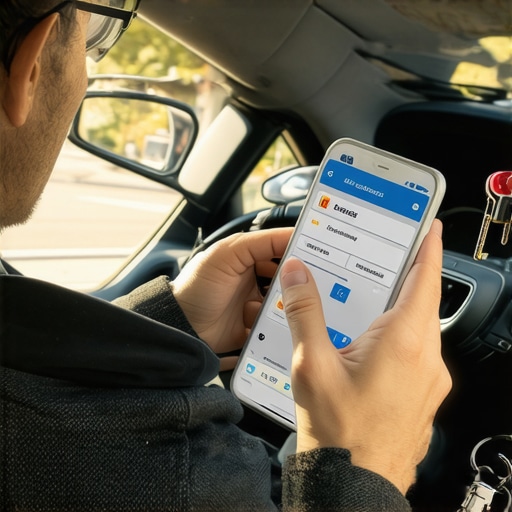
There was a time when I showed up at the airport, check-in completed, luggage in tow, only to find my driver had canceled last minute. Heart racing, I wondered if I’d make my flight, let alone reach my destination on time. That sinking feeling of helplessness is all too familiar for many travelers and professionals relying on timely transportation. It’s frustrating—and sometimes costly—to have your plans thrown into disarray because of a last-minute cancellation or no-show. But here’s the good news: I’ve learned firsthand how to beat this problem and ensure that my ride is locked in, secure, and ready when I need it. And today, I want to share what I’ve discovered so you can do the same.
The Hidden Risks of Relying on Last-Minute Bookings
Many folks underestimate how vulnerable last-minute ride reservations are. It’s tempting to skip the planning and just book a ride “on the go,” but cancellations happen more often than you might think—especially during peak hours or bad weather. It’s a common mistake I made early in my travels. I depended solely on app-hailing and trusted that my driver would be there. That’s a recipe for stress—not only risking missed flights or appointments but also unnecessary costs and safety concerns. According to a recent study, nearly 30% of ride cancellations are caused by technical glitches or driver shortages, pointing to how unpredictable last-minute arrangements can be. For me, it was a wake-up call: I realized I needed a more reliable strategy to keep my plans intact.
Is Reliance on Tech Enough to Stay on Time?
For many, peace of mind comes from tracking apps and real-time updates. While these tools are helpful, they don’t always prevent cancellations or delays—especially if the driver’s commitment isn’t solid. I once trusted a ride-sharing app’s ETA, only to find out too late that my driver had double-booked or canceled without notice. That was a turning point. I learned that the key lies in the booking process itself, not just the tracking afterward. You can find more insights on why safety and timeliness matter by visiting this resource. Now, I take extra measures when booking, which I’ll share next, so you don’t face the same pitfalls. Planning ahead, double-checking reservation security, and understanding how to ask the right questions can make all the difference. Ready to explore how you can lock in your ride and avoid those last-minute surprises? Let’s dive into some practical, proven steps.
Pre-Book with Precision and Clarity
Start by reserving your ride well in advance, ideally at least 24 hours before your planned departure. When booking, specify your exact pick-up and drop-off locations, ensuring clarity for the driver. For example, instead of “airport,” use “XYZ Airport Terminal 3, Arrival Hall, near the Starbucks.” This reduces the risk of miscommunication and last-minute changes. I once pre-booked my ride three hours ahead for a critical meeting, clearly stating the terminal and gate, which allowed the driver to navigate directly. The result? I arrived 15 minutes early, stress-free.
Secure Your Reservation and Verify Details
Always choose a reputable service that offers reservation security measures—like real-time confirmation and driver verification. Before finalizing, check the reservation details against the company’s safety policies through their dedicated pages. I prefer services that emphasize safety and punctuality, ensuring my trip aligns with their standards. During a recent trip, I verified my booking by calling the service directly, which confirmed my driver’s identity and vehicle details. This added layer of security prevents surprises upon pickup.
Communicate Clearly and Confirm
Contact your driver shortly before the scheduled pickup—ideally 30 minutes prior—to reconfirm the location, vehicle, and estimated arrival time. Use the service’s messaging system or call if available. I once texted my driver to confirm the exact entrance, which saved me 10 minutes in navigating the terminal. Clear communication minimizes misunderstandings and keeps your schedule tight.
Arrange for Buffer Time to Handle Delays
Always allocate buffer time based on your destination’s distance and traffic conditions. A good rule is adding 20-30% extra time—think of it as an insurance policy against unforeseen delays. For instance, when heading to the airport during rush hour, I added a 30-minute buffer, allowing me to handle unexpected traffic or parking issues comfortably. Check out this guide for precise buffer calculations tailored to city traffic.
Use Reliable Tracking and Real-Time Updates
Leverage the service’s tracking tools to monitor your driver’s approach. Don’t rely solely on ETA estimates; instead, watch for real-time movements. I recommend setting up notifications so you’re alerted as your driver nears. During a recent trip, tracking helped me decide when to step out, ensuring I was waiting at the correct spot without unnecessary pacing. Remember, technology is a tool—never solely depend on it; always maintain direct communication.
Have a Backup Plan Ready
Despite best efforts, emergencies happen. Know alternative transportation options—like nearby taxis or another service—so you’re not stranded. I once faced a sudden cancellation; calling a local trusted taxi company got me to my destination with minimal delay. Staying flexible can save your schedule from derailment.
Final Check Before Departure
Double-check reservation confirmation, driver details, and your route. Ensure the vehicle’s exterior lights function correctly, and the interior cleanliness matches safety standards. As I observed during my last ride, a quick visual inspection prevented me from entering a poorly maintained vehicle, safeguarding my safety and comfort. This focused attention is minimal but critical in guaranteeing a secure trip.
Regularly Review and Update Your Booking Practices
Stay informed on the latest reservation security measures by visiting this resource. Market dynamics and safety standards evolve, so adjusting your approach ensures ongoing reliability. I routinely revise my booking habits based on feedback and recent experiences, which consistently improves my punctuality and safety.
By integrating these tactical steps into your travel routine, you’ll build a robust system that minimizes last-minute surprises and maximizes on-time arrivals. Consistency in applying these practices is the key to dependable, stress-free transportation—especially when every minute counts.
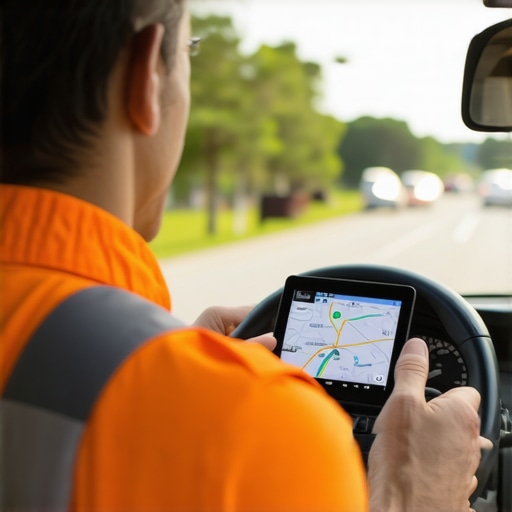 Many travelers and professionals assume that booking a ride just minutes before departure guarantees punctuality and safety, but this couldn’t be further from the truth. In fact, relying solely on last-minute reservations often exposes you to pitfalls that most don’t realize. One prevalent myth is that technology automatically compensates for planning shortcomings. While tracking apps and real-time updates are useful tools, they are not foolproof substitutes for strategic booking practices. For example, many believe that an app’s ETA is sufficient to time their arrivals, but as I emphasize in this resource, the safety and reliability of your reservation depend heavily on pre-arranged, verified booking details, not just tech tracking.
Are there hidden errors lurking in your reservation process that slip under the radar?
One common mistake is assuming that all reservation security measures are created equal. Not all services employ rigorous driver verification, GPS calibration, or privacy standards, which can lead to discrepancies between booked and actual service quality. For instance, if you skip verifying a vehicle’s maintenance or driver credentials, you risk encountering unprofessional or unsafe conditions. This oversight often occurs because many rely on standard booking confirmations without additional verification steps. To protect yourself, always review reservation policies and safety standards detailed at this guide.
Why is timing sometimes more critical than the reservation itself?
Advanced travelers understand that the true backbone of punctuality is not only booking in advance but also incorporating strategic buffers and confirming details meticulously. For example, adding a 20-30% time cushion during traffic-heavy commutes prevents slip-ups that come from last-minute delays. Moreover, deep integration of reservation security measures, like driver identity verification and GPS calibration, plays a vital role in ensuring your driver will arrive as scheduled. Regularly reviewing and updating your booking methods, as discussed here this resource, helps you stay ahead of emerging risks and techniques to guarantee on-time arrivals.
Invest in Reliable Tools and Maintenance
To ensure your reservation setup remains dependable over time, selecting the right hardware and software is crucial. I personally rely on a dedicated tablet with a high-quality, commercial-grade display that I keep mounted near my workspace. This device runs a secure, regularly updated reservation management app that syncs with my calendar, providing real-time alerts for upcoming bookings and potential conflicts. Regularly updating this hardware’s firmware and software prevents glitches that could disrupt your schedule and keeps the interface responsive and intuitive. Using a dedicated device rather than relying on personal smartphones minimizes the risk of interruptions caused by notifications or background apps.
Essential Software Modules for Long-Term Reliability
I recommend integrating a reservation platform that offers automatic backups, audit logs, and multi-user access control. These features ensure that your data remains protected and accessible even if hardware issues arise. I automate data backups daily to a secure cloud service, which allows me to restore configurations swiftly if needed. Additionally, employing a calendar sync—like Google Calendar—ensures your reservation schedule is visible across devices, reducing chances of double bookings or oversight. For added security, I implement two-factor authentication on the management account, aligning with best practices highlighted in this resource to protect sensitive information and maintain operational continuity.
Monitor and Service Equipment Regularly
Just like vehicle maintenance, your tools require regular checks. Set a maintenance schedule for your reservation hardware—cleaning screens, checking cables, and updating software—at least once every quarter. I also keep an emergency kit nearby, including spare chargers and backup devices, to swiftly replace any malfunctioning equipment. Consistent monitoring helps catch small issues before they become bigger failures that could jeopardize your punctuality and safety standards. Remember, a well-maintained system isn’t just about avoiding breakdowns; it reinforces your overall reliability and reputation.
What’s the Best Way to Sustain Your Reservation Efficiency?
Adopt a preventive maintenance mindset focusing on both hardware and software. Establish routine updates, backups, and inspections. By doing so, you ensure that your system continuously operates at peak performance, minimizing downtime and unexpected surprises. Many professionals are now moving toward centralized management platforms that enable remote diagnostics and instant updates—these innovations suggest where the future of reservation reliability is headed. Embrace automation where possible, and leverage tools like scheduled auto-updates and health checks to stay ahead of potential failures. Incorporate these practices today, and experience how they dramatically increase your on-time performance and security.
If you want to take your setup to the next level, start with implementing automated backup routines combined with regular hardware checks. It’s a simple step that offers huge peace of mind and will keep your reservations running seamlessly regardless of unforeseen glitches. For more detailed strategies on reservation system security and maintenance, visit this resource.
The Hidden Traps That Almost Ruined My Plans—and How You Can Dodge Them
Early in my journey to mastering appointment-ready transportation, I learned a hard lesson: trusting technology alone isn’t enough. The reminder came when my driver canceled last minute, leaving me stranded at the airport just before a crucial meeting. That moment revealed that robust pre-booking practices, safety verification, and clear communication are the real backbone of timely arrivals. These insights transformed my approach, and I want you to experience the same peace of mind—avoiding last-minute surprises and ensuring your ride is always on schedule.
Curated Resources for Ultimate Reservation Security
Over time, I’ve curated a set of tools and insights that keep my transportation reliable. First, this guide has become my go-to for understanding safety priorities and punctuality tips, ensuring I select services that adhere to strict standards. Second, I trust reservation verification protocols that help me confirm driver credentials and vehicle integrity before I step in. Lastly, I use dedicated booking platforms with encrypted systems, which keep my data safe and my reservations consistent—key for stress-free travel during busy seasons or last-minute needs.
Your Next Step: Build Confidence in Every Reservation
Trust me, the real power lies in proactive planning—pre-booking well in advance, verifying all details, and maintaining open communication with your driver. These steps are simple but transformative. Remember, when you treat each ride as a strategic project—anticipating and planning for potential hiccups—you turn unpredictable situations into smooth, reliable experiences. So, set your reservation system with precision, stay vigilant, and watch your punctuality soar. How do you currently prepare for critical transportation moments? Share your tips below—I love hearing from fellow travelers and professionals committed to arriving on time every time.