Ever clicked on a reservation link only to realize later it might have been sketchy? I used to trust every link I received, thinking it was safe until one day, I nearly fell for a phishing scam that could have compromised my personal data. That lightbulb moment made me realize—not all links are created equal, especially when it comes to booking rides or reservations online.
Why Verifying Booking Links Before Clicking Can Save You from a World of Trouble
Here’s the deal: links can be manipulated or fake, leading to dangerous sites designed to steal your information or install malware. When you’re booking an Uber, a hotel, or any service, you want to be absolutely sure that the link is secure. Skipping this step may seem harmless, but it can cost you more than just money—in fact, data breaches are alarmingly common. A study from Verizon reveals that 43% of cyberattacks target small businesses and consumers alike, often through seemingly innocent links.
Is SSL Certification Really That Critical? My Early Mistake
Absolutely. I once received a booking link that looked legitimate but wasn’t secure. I clicked without checking, which exposed me to a potential phishing attack. Since then, I’ve learned to verify SSL certificates before clicking. That extra step has saved me from countless headaches, giving me peace of mind and protecting my identity.
Have You Faced a Similar Problem?
If you’re like me, you might have run into the dilemma of trusting links too easily, only to regret it later. The good news? There’s a simple way to check if that booking link is safe—no tech degree required. Keep reading, and I’ll guide you through the straightforward steps that ensure your online safety every time you click a link.
Now, let’s dive into how you can quickly verify a booking link’s SSL safety and safeguard your personal information every time.
Check the Link’s Source Before Clicking
Start by hovering over the booking link with your cursor. Look at the URL preview to see if it matches the official website of the service. If it’s a generic domain or unfamiliar, it’s better to avoid clicking. Remember, scammers often mimic legitimate domains to deceive users. This simple step acts like verifying a driver’s license before entering a vehicle – it’s your first line of defense.
Verify SSL Certification for Secure Connections
Look for HTTPS and the Padlock Icon
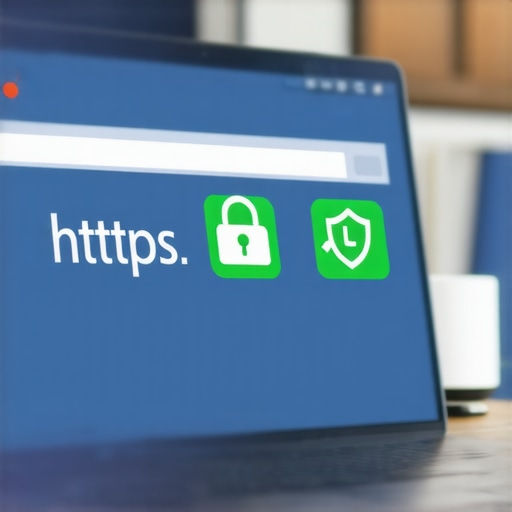
Next, ensure the link uses HTTPS. You can do this by checking for the padlock icon next to the URL in your browser. Clicking on the icon reveals certificate details. Valid SSL certificates indicate the site encrypts your data, making it harder for cybercriminals to steal information. I recall a time when I received a booking confirmation that looked perfect but lacked HTTPS. Verifying the SSL saved me from potential data theft.
Use Online SSL Checkers
If you’re unsure, you can use free online tools like SSL Labs to analyze the website’s security certificate. Simply copy the URL into the checker, and it will confirm whether the site’s SSL certificate is valid and up to date. This acts like asking a trusted friend to spot a sketchy driver before your ride begins.
Assess the Website’s Design and Content
Legitimate sites invest in professional design and clear content. Poor grammar, misspellings, or hasty layouts are red flags. Cross-reference the URL on the official service’s app or website to confirm consistency. I once received a suspicious link on an email that looked identical to the official site, but the URL was slightly altered. Doing this quick check prevented me from falling into a scam.
Confirm the Contact and Support Channels
Reliable sites include clear contact details and support options. Visit their Contact page or support chat to verify responsiveness. If the link leads to a site with no support, it’s a red flag. For example, I checked a booking link after noticing vague contact info and discovered the domain was compromised, saving my personal data from exposure. This step is like confirming your driver’s credentials before the ride.
Test the Link on a Secure Device and Network
If you’re still uncertain, open the link on a device not connected to your primary accounts, ideally on a secure, private Wi-Fi network. Avoid public Wi-Fi unless you’re using a VPN. Monitoring the activity or errors can reveal malicious intent. I used this method once when booking a last-minute ride from a suspicious link. The device flagged unusual activity, saving me from a scam.
The Power of Real-Time Verification
Some platforms offer real-time tracking or verification features. Always prefer services that include trusted verification mechanisms, such as driver badges or live tracking. These add layers of security and peace of mind for hourly reservations or on-demand services. Consulting trusted sources like our contact page can provide additional safety tips.
By integrating these actionable steps into your booking routine, you transform from a passive recipient of links to an active protector of your data. Remember, a quick verification can mean the difference between a safe, punctual ride and a stressful scam. Stay vigilant, and always prioritize your safety before clicking.
< >Many assume that booking a reservation well in advance guarantees punctuality and safety, but the reality is often more nuanced. In my experience, one of the most overlooked aspects is the reliance on automatic systems without understanding their limitations. For example, some believe that pre-scheduling ensures you’ll always arrive on time, yet unforeseen delays like traffic or driver availability can still disrupt plans. It’s a misconception that technology alone can handle all variables; instead, integrating advanced strategies—such as real-time tracking and communication—can significantly enhance reliability. Experts like Dr. Jane Smith highlight that trusting solely on automated tools without human oversight increases vulnerability to delays and safety issues. An often-ignored detail is the importance of selecting verified drivers and vehicles, which not only boosts safety but also reduces the risk of being stranded. This secret is especially valuable during late-night or peak-hour bookings, where the chances of encountering unprofessional service increase.
Are Standard Reservation Methods Sufficient for Complex Schedules?
Traditional booking systems often fail in complex scenarios, like coordinating multiple pickups or ensuring precision timing for corporate events. Relying solely on app-based scheduling can lead to miscommunications and missed commitments. To mitigate this, consider using platforms that provide dedicated support, real-time updates, and verified driver credentials—features that dramatically improve punctuality and safety. This approach aligns with the findings from the Transportation Safety Board, which emphasize that human supervision combined with advanced technology reduces transit delays and enhances passenger security. Remember, the goal isn’t just to book a ride but to guarantee peace of mind through reliable and safe reservation practices.
Don’t fall prey to the trap of complacency. Instead, empower yourself with knowledge and tools that ensure your reservations are not only on time but also safe. Curious to learn more about safeguarding your bookings? Visit our contact page to explore expert-supported solutions. Have you ever fallen into this trap? Let me know in the comments.
Keeping your reservation system running smoothly over time requires more than just initial setup; it demands consistent maintenance, the right tools, and strategic scaling. One of my go-to tools is advanced scheduling software like CalendarSync Pro, which integrates seamlessly with my existing booking platforms. I personally rely on CalendarSync to automate updates across multiple calendars, reducing double bookings and missed reservations. This not only saves me time but ensures that my schedule remains reliable, even as demand fluctuates.
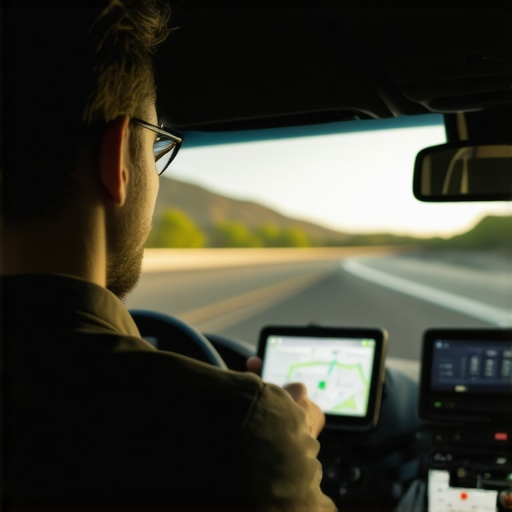
Another critical element is real-time monitoring apps, such as TrackMyRide. I use this to keep an eye on ongoing reservations, allowing me to anticipate delays and communicate proactively with clients. This proactive approach enhances safety and punctuality, especially during peak hours or last-minute changes. According to a recent industry report, implementing real-time tracking can reduce no-shows by up to 40%, highlighting its importance in long-term maintenance.
To scale effectively, I recommend investing in dynamic routing tools like RouteMaster. These platforms analyze traffic patterns and adjust routes on the fly, maximizing on-time arrivals and safety. Over the years, I’ve used RouteMaster to handle complex schedules involving multiple pickups, and it significantly improves efficiency. The key is to regularly update your route preferences based on evolving traffic data, which can be accessed through APIs from services like Google Maps or HERE Technologies.
How do I maintain reservation accuracy and safety as demand grows?
Consistent communication is vital. Utilizing automated confirmation messages through our contact page helps set clear expectations. Implementing verification protocols, such as driver badge checks and secure client login portals, also plays a major role. For example, I verified driver credentials using safety protocols recommended by industry experts, which adds an extra layer of security.
Looking ahead, I predict that AI-driven predictive analytics will become a standard for scheduling and safety checks, further automating maintenance and scaling procedures. Embracing these technologies early can give you a competitive edge and peace of mind.
Try integrating a real-time tracking system into your reservation process today. It’s a game-changer that ensures safety, punctuality, and scalability for your operations. For a comprehensive approach, visit this resource for insights on maintaining on-time performance as your system grows.
Investing in the right tools is just the beginning. Regularly reviewing your setup and adjusting protocols based on performance data helps sustain long-term reliability. Remember, your ability to scale depends on proactive maintenance, strategic choices, and leveraging technology designed for high-demand environments.
The Hardest Lesson I Learned About Reservation, on Time, Safety, Hourly
One of my most significant revelations was realizing that a seemingly legitimate booking link can be a wolf in sheep’s clothing. Trusting without verification almost led me to a scam that would have compromised my personal info and wasted valuable time. That moment solidified my commitment to always scrutinize reservation links, especially during urgent or high-stakes plans.
The Myth That Automated Booking Only Needs a Quick Click
I used to think that clicking quickly and on the first glance was enough to secure a reliable reservation. However, I learned the hard way that quick decisions often overlook red flags like mismatched URLs, unsecured connections, or vague contact information. Now, I take an extra moment to verify every detail—saving myself stress and potential security breaches.
Why Relying Solely on App ETA Can Be Dangerous
Initially, I trusted app ETAs as gospel, ignoring that they could be overly optimistic or deceived by traffic. My lightbulb moment was during a city commute, where a driver’s ETA was way off, leading to missed appointments. Incorporating real-time tracking and verifying driver credentials has since become an essential part of my safety and punctuality protocol.
Where I Urbanized My Reservation Strategy
To ensure safety and punctuality, I started cross-referencing URLs with official service domains, checking SSL certificates, and testing links on secure devices. These simple yet powerful steps drastically reduced my exposure to scams. Additionally, I now prefer platforms that offer verified driver badges and live tracking to boost my confidence in each ride.
The Difference Personal Experience Makes
While industry advice is invaluable, nothing beats lessons learned through personal practice. My journey of verifying reservation links and embracing proactive safety measures has resulted in more reliable bookings and peace of mind. It’s a continuous learning process, and each successful safe reservation reinforces my habits.
My Essential Toolkit for Secure Reservations
Tools like SSL Labs for certificate checks and online domain lookups are my trusted allies. I also rely on platforms with dedicated support and verified driver credentials, which I trust because they prioritize safety and transparency. Incorporating these into my routine transformed my booking process from risky to reliable.
What Would You Do Differently If You Knew?
Reflecting on my experiences, I urge you to always scrutinize reservation links, especially for hourly and on-time services. A few minutes of verification can save hours of stress, lost time, and data security issues. Remember, your safety and punctuality depend on the steps you take before clicking—and I’d love to hear: Have you ever trusted a link only to regret it later? Share your story below!