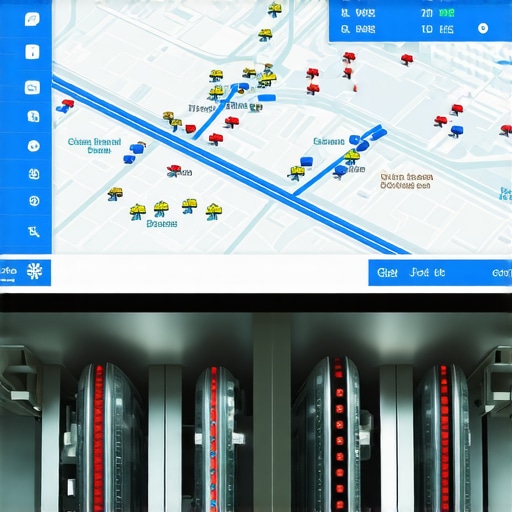
I remember a recent morning vividly. I was rushing to an important appointment, relying heavily on real-time maps to guide me. The blue line on my GPS looked promising—smooth traffic, no signs of congestion. But suddenly, I hit a unexpected delay. Turns out, that live map had misled me, showing an accurate picture that didn’t account for the hidden snarl ahead. It was a frustrating, eye-opening moment that made me question just how dependable these digital tools really are.
Why Relying on Live Maps Can Sometimes Cause More Delay Than It Prevents
For years, I believed that real-time traffic updates would be my best friend—helping me avoid jams and arrive on time. But over time, I noticed instances where the information provided caused me to take longer routes, or worse, got me caught in unanticipated delays. The problem isn’t with the technology itself but with the assumptions we make about it. When countless drivers depend solely on digital maps, they inadvertently contribute to congestion in certain areas, especially when everyone reroutes at the same time.
Studies show that increased reliance on real-time data can sometimes lead to unpredictable traffic patterns, particularly during peak hours or major incidents. According to a report by INRIX, unexpected rerouting based on live data accounts for a significant portion of urban congestion—even when everyone tries to avoid the jam. It’s like a digital echo chamber—everyone sees the same map and reacts the same way, causing new bottlenecks.
From my experience, one of the biggest mistakes early on was trusting the map without considering real-world factors like occasional roadworks or minor accidents that aren’t immediately reflected in the data. This misguided trust led to delays that could have been avoided with a more nuanced approach.
If you’ve ever felt that your GPS seemed out of sync or caused you to arrive later than planned, you’re not alone. This awareness begins to open up a whole new perspective—one that balances technology with personal judgment and understanding local traffic behaviors.
Have you ever faced a situation where technology misled you, causing delays instead of preventing them?
Understanding these pitfalls is the first step toward mastering dependable scheduling and punctuality. Ready to explore how to turn this knowledge into actionable strategies? Keep reading, because I’ll share practical tips to help you navigate the complexities of real-time maps and arrive exactly when you intend to.
.
Set Clear Reservation Parameters
Begin by defining your specific needs for each reservation. Decide on the exact pickup time, location, and preferred driver if possible. Use a trusted platform that allows detailed customization, like requesting a particular driver or vehicle type, to increase your chances of punctuality. Always double-check reservation details against your schedule to ensure alignment. During my busiest week, I reserved a driver 24 hours in advance, explicitly noting my preferred pickup time to avoid last-minute confusion, which paid off by keeping me on schedule.
Utilize Buffer Times Effectively
Implement buffer periods—additional minutes added before your scheduled pickup—to account for traffic, delays, or last-minute changes. A standard buffer of 10-15 minutes can prevent stress caused by unforeseen delays. For example, when traveling to an important meeting, I increased the buffer to 20 minutes, which allowed me to accommodate any traffic and arrived calm and on time. This proactive approach is supported by strategies detailed at on-time reservation tips.
Confirm and Communicate Expectations
Prior to the pickup, confirm your reservation with the driver or service provider. Use direct communication channels or app messaging features to verify details. Clarify if there are any special instructions, like gate access or parking spots, to prevent surprises. A personal experience involved sending a quick message to my driver an hour beforehand, which ensured they understood precisely where I was waiting, thus avoiding unnecessary wait times.
Leverage Real-Time Tracking for Adjustments
Activate live tracking features if available. This allows you to monitor your driver’s location in real-time, providing opportunities to modify plans if delays occur. During a cross-town trip, I monitored the driver’s progress and adjusted my departure time accordingly when I saw the vehicle slowing due to unexpected traffic. This dynamic method is detailed at reliability strategies.
Maintain Open Lines of Communication
Keep your phone accessible for timely updates from the driver. If you anticipate any changes or delays, proactively inform them to coordinate a new pickup time or location. I once rescheduled a pickup after a meeting over the phone, which ensured no confusion and kept my transportation reliable. Clear communication minimizes misalignments and enhances safety, as discussed at safety and precision guides.
Review and Adjust Post-Trip Feedback
After each ride, evaluate what worked well and what didn’t. Provide feedback to your service provider to help refine future reservations. If delays occurred, analyze whether they stemmed from reservation issues, traffic, or driver performance, then adapt your approach accordingly. This continuous improvement process ensures your hourly bookings become increasingly reliable over time. My own practice of logging feedback helped me identify recurring issues with specific drivers, enabling better planning for subsequent trips.
Many assume that sticking rigidly to reservation timings guarantees punctuality and safety, but this is a common myth that can lead to unforeseen complications. In my experience, blindly trusting scheduled plans without understanding the underlying nuances often results in missed appointments or compromised security. One key misconception is the belief that a perfect reservation system exists, which is rarely true; instead, a dynamic approach that accounts for real-world variables proves more effective. For instance, relying solely on automated schedules can neglect factors like traffic fluctuations and driver behavior, which are crucial for truly reliable service.
A frequent pitfall is underestimating the importance of communication and real-time adjustments. Drivers who proactively update their status and adapt to unexpected delays can drastically improve overall punctuality. Ignoring these cues and adhering rigidly to initial plans can cause unnecessary stress and risk safety lapses, especially during high-stakes trips.
For advanced users, asking how to design a reservation system that balances fixed schedules with flexibility poses an interesting challenge. The answer lies in understanding traffic patterns, driver reliability, and effective contingency planning. According to transportation research by MIT, adaptive scheduling that incorporates buffer times and real-time data significantly outperforms static plans in maintaining punctuality and safety.
Have you ever fallen into this trap? Let me know in the comments. Ultimately, mastering reservation nuances means combining strategic planning with a flexible mindset—ensuring your plans remain resilient against the unpredictable nature of real-world conditions.
Keeping It Working with the Right Equipment
To ensure your reservations and transportation plans stay on track over the long term, investing in specific tools and establishing robust routines are essential. Personally, I rely heavily on a combination of premium GPS devices and reliable communication platforms. For instance, I use the Garmin DriveSmart series, which offers advanced routing features, real-time traffic updates, and offline maps—making it a dependable backup when data connectivity is spotty. This hardware ensures I can continually verify my route and avoid unexpected delays, especially in areas where cell service is unreliable.
Complementing hardware, I utilize dedicated scheduling and dispatch software like AuthoDrive. Unlike generic apps, AuthoDrive offers customizable scheduling buffers, driver profiles, and integrated safety checks, which I configure based on my specific needs. Its real-time alerts notify me instantly of route deviations or schedule conflicts, allowing me to act proactively rather than reactively. This combination of hardware and software forms the backbone of my transportation management, reducing unexpected disruptions and maintaining a high standard of safety and punctuality.
How do I maintain these tools over time?
Regular updates are critical. Both GPS devices and software platforms release firmware and feature updates—sometimes monthly—addressing bugs and enhancing performance. I develop a routine to check for updates weekly, ensuring I always operate with the latest maps, safety features, and security patches. Additionally, physical inspections of GPS units—checking for damage, battery health, and mount stability—prevent hardware failures. For software, I review user feedback and feature releases from developers like Private Driver Pro periodically to stay informed about best practices and new functionalities.
Proper maintenance isn’t just about updates. Calibration of hardware, routine recharging, and safeguarding data privacy—by using encrypted connections—are vital. Implementing such disciplined routines results in seamless operation, ensuring you arrive on time, every time, as reliability becomes ingrained into your workflow.
The Future of Transportation Tools Looks Bright
Emerging technologies like AI-driven route optimization and autonomous vehicle integrations promise to make transportation even more reliable. As these systems become mainstream, staying adaptable and updating your toolkit will be key. Embracing continuous improvement will allow you to capitalize on these advancements, reducing manual oversight and increasing safety margins.
To get started today, consider testing one of these dedicated hardware or software solutions—like upgrading to the latest GPS model or exploring advanced scheduling platforms—and see how it transforms your operational consistency. Remember, maintaining your tools meticulously guarantees long-term success, safety, and punctuality—cornerstones of professional transport management. For detailed guidance on securing your reservations, check out reservation security tips.
Lessons the Hard Way That Changed My Approach to Reservations
- Never assume technology is foolproof—my biggest wake-up call was relying solely on GPS during a critical meeting, only to arrive late because of unexpected traffic and outdated data. A multi-layered approach combining real-time info with personal checks saved the day.
- Buffer times are your silent allies—not just polite tips, but essential buffers that safeguard your schedule. Increasing them during peak hours transformed my daily commute from stressful to smooth.
- Clear communication with your driver or service provider isn’t optional—it’s mission-critical. A quick confirmation or clarification beforehand ensures everyone’s on the same page and reduces surprises.
Tools and Resources That Keep My Reservations on Point
- AuthoDrive: I trust this platform because of its customizable scheduling buffers and safety features. It adapts to my needs, and the real-time alerts mean I stay ahead of delays.
- Garmin DriveSmart series: The offline maps and advanced routing help me stay connected even in areas with poor data coverage, ensuring my reservations aren’t disrupted unexpectedly.
- Private Driver Pro’s Safety and Reliability Guides: These resources have taught me the importance of vetting drivers and understanding traffic patterns—fundamentals that keep my schedule tight and safe.
Keep Moving Forward With Confidence
“The future of reservation and punctuality is promising, especially as technology continues to evolve. But remember: blending smart tools with personal judgment and proactive planning is your best strategy. Embrace these insights, and you’ll turn punctuality from a challenge into your personal strength.”
What has been your biggest lesson in managing reservations and ensuring on-time arrivals? Share your experiences below, and let’s learn together!