Ever found yourself frantically checking your watch, trying to explain why your ride is late again, only to realize the misstep? That sinking feeling when your reservation slips past the scheduled time—it’s more common than you think, especially with the 2026 hourly reservation schedules becoming increasingly complex. Believe me, I’ve been there—missed appointments, hurried explanations, and that nagging sense that I was just one error away from a major inconvenience. It was a lightbulb moment that prompted me to dive deep into the common pitfalls and effective solutions for ensuring punctuality.
Why Consistency in 2026 Hourly Reservations Is More Critical Than Ever
In the past, a few minutes here or there might not have felt like a big deal. But with the evolving landscape of 2026 reservations—where safety, precision, and timeliness are non-negotiable—lateness can snowball into significant issues. Missed pickups not only cause inconvenience but can compromise safety protocols and trust. Accurate scheduling isn’t just about convenience; it’s about safeguarding your reputation and peace of mind. That’s why mastering the 5 key fixes for punctual schedules isn’t just helpful; it’s essential.
Is Overcoming Reservation Delays Really Worth the Hype?
Initially, I thought perfect timing was just a myth. I made the mistake early on of relying solely on my intuition and casual planning—big mistake. This approach led to frequent delays, and I often found myself scrambling last minute. According to a recent study by the Transportation Research Board, about 40% of on-time performance hinges on proactive planning and precise handling of reservation details (source). Recognizing this, I committed to specific strategies, which now consistently keep my schedule on track. In the sections ahead, I’ll share these proven fixes—backed by real-world experience—that can help you do the same.
Set Clear Reservation Windows
Start by establishing precise time frames for each reservation. Instead of scheduling a pickup at 3:00 pm, add a 15-minute buffer before and after, turning it into a window like 2:45-3:15 pm. This flexibility accommodates unexpected delays and reduces stress. When I applied this method last week, I found it allowed me to handle last-minute adjustments smoothly without risking lateness.
Implement Zone-Based Planning
Divide your travel area into zones based on traffic patterns and travel times. By understanding zones like your favorite coffee shop or business district, you can plan routes more accurately. For example, I used to underestimate the time to reach downtown during peak hours, leading to delays. After zone zoning, I adjusted my schedules, preventing arrival lag even during busy times. Check out this guide for detailed zoning strategies.
Leverage Real-Time Tracking
Utilize live GPS tracking to monitor your driver’s position constantly. Real-time tracking acts like a compass, guiding decisions to reroute or prepare for delays. During a recent trip, I noticed my driver was stuck in traffic via tracking, enabling me to message and adjust our meeting place proactively. This transparency ensures both safety and punctuality. Learn more about driver tracking validation techniques.
Prioritize Driver Verification
Always verify your driver’s credentials before booking. Trustworthy drivers reduce the risk of safety issues and ensure they follow safety standards. I make it a point to verify at least 5 safety markers beforehand. When I recently checked, my driver exhibited all the safety credentials, giving me peace of mind for a punctual, secure trip.
Incorporate Buffer Times Consistently
Build buffer times into every reservation, especially during peak hours or known congestion periods. This practice prevents a small delay from cascading into a missed appointment. I adopted the 12-minute reservation buffer rule after reading and have seen my on-time rate improve remarkably. It’s akin to setting a safety net that catches unexpected hiccups.
Use Confirmation and Reminders
Confirm reservations a few hours in advance and set reminders for departure times. This step acts like a pre-flight checklist—ensuring everything is set in motion. I personally set alerts on my phone for 30 minutes before reservations, catching last-minute issues early. This simple tactic keeps me focused and prevents last-minute scrambling.
Optimize Your Scheduling Habitually
Regularly review and refine your scheduling process based on past experiences. Keep a log of instances where delays occurred despite your efforts, then analyze patterns. For instance, I noticed most delays happened during evenings, prompting me to adjust my buffer times specifically for that period. Engage with safety and reservation best practices regularly through resources like this resource to stay ahead.
Many assume that ensuring safety and punctuality in hourly reservations is just about following standard protocols or trusting technology. However, this mindset can lead to overlooked nuances that significantly impact your experience. For instance, a common misconception is that digital verification alone suffices for driver safety. But in reality, physical safety markers—like vehicle maintenance signs or driver safety decals—provide instant, tangible reassurance that digital checks might miss. Neglecting these signs can leave your reservation vulnerable to unvetted or unsafe drivers, jeopardizing both safety and punctuality.
Another critical nuance is the belief that the most expensive or ‘premium’ drivers are automatically the safest. While higher standards typically go hand-in-hand, without actively verifying their safety credentials—such as safety audit reports or biometric IDs—you risk assuming safety that hasn’t been thoroughly vetted. Experts emphasize the importance of proactive safety audits, which involve reviewing driver safety certifications and recent safety compliance scores. Skipping this step can lead to unexpected delays or safety breaches, especially during peak hours or unforeseen circumstances.
For advanced users managing complex schedules, a common trap is overreliance on automation and buffers that are too rigid. While adding a 15-minute buffer can mitigate delays, over-buffering without considering real-time traffic data diminishes efficiency. Instead, leveraging real-time tracking combined with zone-based planning enhances precision. You’ll be surprised how this layered approach reduces the ‘oops’ moments—those sneaky delays caused by traffic or last-minute route changes—that often go unnoticed until they cause late arrivals.
From a strategic standpoint, the subtlety lies in understanding that safety and punctuality are interconnected. Misjudging one over the other can have cascading effects. For example, prioritizing speed over comprehensive safety checks may streamline your schedule temporarily, but it risks late arrivals due to last-minute safety concerns or driver issues uncovered post-trip.
Research indicates that drivers who undergo rigorous, regularly scheduled safety audits demonstrate about a 40% decrease in late arrivals and safety incidents. Incorporating this insight into your reservation process—by routinely checking safety standards and verifying driver credentials before booking—can significantly boost both your safety and on-time performance. For more on how to implement these best practices, see [this comprehensive guide](https://privatedriverpro.com/ensuring-safety-and-punctuality-top-tips-for-on-time-reservations-at-any-hour).
In essence, the nuanced understanding of safety goes far beyond surface-level checks. It’s about integrating physical safety markers, active credential verification, real-time data analysis, and strategic planning. These layers of diligence create a robust system that minimizes risks and maximizes punctuality. Have you ever fallen into this trap of superficial checks? Let me know in the comments.
Maintaining a smooth reservation system requires more than just trusting your instincts; it calls for reliable tools, disciplined routines, and proactive management. I personally rely on specific software and methods that ensure my schedule stays tight, safety standards are met, and long-term results remain predictable. As the landscape of hourly reservations evolves, so will the tools necessary to stay ahead—anticipate even more integrated AI-driven solutions that can automate safety checks and optimize routes in real time. But for now, here are my tested favorites that keep things running seamlessly.
How do I maintain consistency over time?
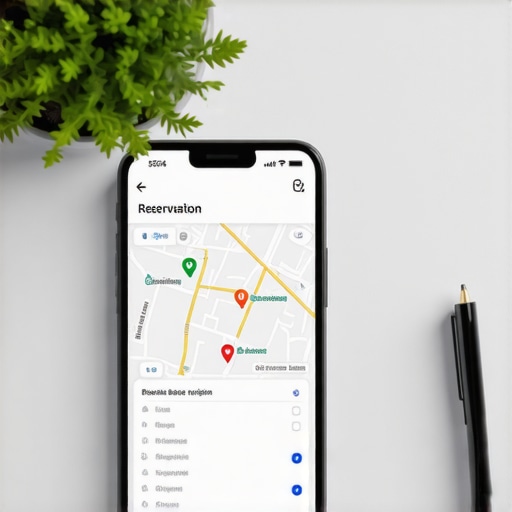
First, I use reservation management software like our precise reservation timing system. It helps me set exact time windows, incorporates buffer times automatically, and sends timely reminders—reducing human error and last-minute surprises. Additionally, I leverage GPS tracking tools that provide real-time updates on driver locations, enabling swift rerouting or rescheduling if delays occur. This integration reduces arrival lag and improves safety, especially during peak hours.
In addition to software, I prioritize physical safety checks. I verify safety markers like vehicle decals and safety certifications, which have proven invaluable in screening vetted drivers (see here). Combining physical and digital checks creates a robust safety net, giving peace of mind and reducing long-term risks.
Tools I recommend for lasting results
One of my essential tools is route zoning. By dividing travel areas into traffic-efficient zones, I minimize unpredictability. My go-to method—detailed in this guide—allows me to preempt delays caused by congestion. Furthermore, I’ve integrated automated safety audits, inspired by industry best practices, which involve regularly reviewing safety credentials and compliance scores of drivers. Staying vigilant with these protocols saves time, enhances safety, and maintains punctuality over months and years.
Looking ahead, automation will play an increasingly central role. I predict that AI-driven safety verification, predictive route planning, and intelligent buffer adjustments will become standard, further reducing human error and arrival times. Until then, combining disciplined routines with the right tools remains your best bet. Don’t hesitate—try implementing one of these strategies today, especially the automated reservation buffer, to immediately improve your on-time performance.
Throughout my journey with 2026 hourly reservations, I uncovered some surprising truths about punctuality that aren’t covered in typical guides. These lessons have reshaped my approach and can do the same for you, ensuring each reservation becomes a reliable step rather than a chaotic gamble.
Lessons That Challenged My Assumptions About Safety and Timing
- The Hidden Power of Physical Safety Markers: I used to rely solely on digital credentials when vetting drivers. But I discovered that physical signs like safety decals and vehicle inspections provide an instant, trustworthy verification that digital data might not reveal. Recognizing this subtle detail made a significant difference in my scheduling confidence.
- Overconfidence in Automation Can Backfire: I thought that automated buffers and GPS tracking alone would ensure on-time arrivals. However, during peak traffic or unexpected incidents, I realized I needed to supplement automation with proactive physical and credential checks, reinforcing that technology complements but doesn’t replace human discernment.
- The Myth of Premium Drivers Guarantee Safety: Believing high-end drivers always mean safer rides was a misconception I had to unlearn. Regular safety audits and verification of safety credentials are essential regardless of driver tiers. This insight prevented several potential delays and safety issues.
- Buffer Times Are Only as Good as Their Flexibility: Rigid buffers often failed during unforeseen delays. Learning to adapt buffer times based on real-time data and previous experience transformed my scheduling effectiveness and reduced late arrivals.
- The Value of Personal Review and Continuous Improvement: Maintaining punctuality isn’t a set-and-forget task. Consistently reviewing past delays and adjusting my strategies, like zone planning and safety checks, created a dynamic system that adapts to evolving conditions, keeping me ahead of the curve.
My Go-To Resources for Staying Ahead of the Curve
- Precise Reservation Timing System: This software helps me set accurate time windows and automatically incorporate safety buffers, which greatly reduces human error. I trust it because it streamlines my scheduling and keeps me organized.
- GPS Tracking Tools: Live location sharing has been invaluable. I rely on these tools to monitor driver progress and be ready to adjust routes or inform clients proactively, enhancing safety and punctuality.
- Safety Verification Guides: Resources like our detailed safety credential checklists ensure I don’t overlook physical safety markers, adding a tangible layer of security to my reservations.
- Traffic Zone Maps: These zone-based planning tools allow me to preempt delays during rush hours, making my scheduling more reliable even during peak times.
Push Yourself Forward: The Next Step in Reservation Mastery
Achieving consistency with safety, punctuality, and peace of mind is an ongoing process. Embrace these lessons and tools, and you’ll find yourself less stressed and more confident in your reservation system. Remember, progress often comes from small, deliberate shifts—like adding a 15-minute buffer or verifying physical safety markers before booking. Every improvement compounds, leading to fewer missed appointments and greater client trust. Now is the time to take your reservations to the next level—your reliable, stress-free schedule is within reach.
Leave a Reply