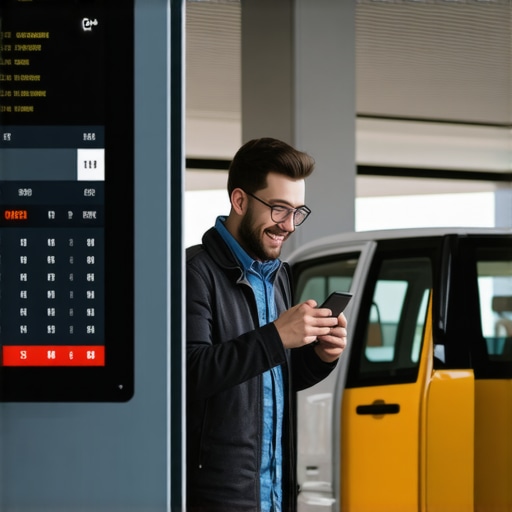
It was one of those mornings when everything that could go wrong did. I had scheduled a crucial reservation, and as the clock ticked closer to the pickup time, I found myself stuck in unexpected traffic. My heart sank—I knew I might not make it on time. That sinking feeling, the frustration, the guilt—I’ve been there more times than I care to admit. But that day, a lightbulb went off. I realized I could do better, be more reliable, and ensure my passengers arrived safely and promptly, every single time.
Why Being Punctual Isn’t Just Good Manners—It’s Essential for Safety and Trust
In my years of navigating the booking world, I’ve learned that punctuality isn’t just about courtesy; it’s a cornerstone of safety and trust. The truth is, late arrivals can compromise safety, reduce satisfaction, and even damage reputations. Research highlights that passengers prioritize reliability and timeliness when choosing transportation services—more so than price or comfort. That’s why mastering reservation strategies that guarantee on-time drop-offs has become my top priority. If you’re tired of those near-misses and late arrivals, you’re not alone. Many drivers face the same challenge, feeling helpless as margins for delay narrow.
But there’s a silver lining. By adopting smart, proven reservation tactics, you can turn punctuality from a goal into a guarantee. Today, we’ll delve into practical, actionable steps that I’ve applied myself—tactics that have significantly improved my reliability. From advanced reservation systems to real-time tracking, these strategies help create predictability in an unpredictable world.
And look—if this sounds familiar, I urge you to keep reading. I’ll share the most common mistakes I made early on and how overcoming them transformed my service. Trust me; once you implement these tactics, on-time drop-offs will become what your clients expect, not what they hope for.
Interested in finding out how to prevent the stress of late arrivals? Let’s get into the details, starting with the most fundamental yet overlooked aspect: proper reservation planning. Ready to take charge of your schedule? Let’s go.
Plan with Precision and Reality Checks
Start by assessing your typical traffic patterns and potential delays before setting your reservation window. Use historical data from your previous trips to understand how long pickups usually take, then add buffer time—at least 15-30 minutes for unpredictables. For example, I once had a booking during rush hour, and instead of estimating a 20-minute trip, I scheduled it for 40 to stay safe. This proactive approach avoids last-minute surprises and keeps you on schedule.
Leverage Technology for Accurate Timing
Utilize GPS apps with real-time traffic updates like Google Maps or Waze to monitor conditions just before and during pickups. Set alerts to notify you of sudden changes, allowing quick adjustments. Once, I was alerted about a major accident on my usual route, so I rerouted instantly, ensuring I arrived on time. Integrate reservation booking systems that synchronize with these apps, reducing manual errors and bolstering reliability. For more insights, check these proven strategies.
Communicate Clearly and Confirm
Confirmation is key. Send reminders to your clients 15 minutes before pickup, verifying their location and readiness. Use SMS or app notifications to ensure they’re prepared, reducing delays. During a busy Saturday, I called a passenger ten minutes early to confirm their address and ETA; this small step prevented a missed pickup. Clear communication builds trust and keeps everyone aligned for punctuality.
Optimize Scheduling and Back-to-Back Bookings
Arrange your reservations with minimal gaps, allowing flexibility for unforeseen delays—think of it as a relay race where you must pass the baton smoothly. Avoid overbooking overlapping trips in tight windows. I once scheduled two pickups only 10 minutes apart, but traffic caused a delay; by staggering appointments with a buffer, I turned a potential crisis into a manageable situation. Use booking calendars that visualize your day to identify these gaps effectively. Learn more about scheduling tips at this guide.
Implement Real-Time Tracking and Notifications
Invest in reliable GPS tracking systems that allow both you and clients to monitor progress. Sharing live locations reassures passengers and gives you prompt alerts if something’s amiss. I once had a passenger waiting at a different entrance; by sharing my real-time location, they navigated correctly, saving precious minutes. This transparency minimizes misunderstandings and enhances punctuality. For top-rated solutions, see this resource.
While many believe that simply setting a reservation time guarantees punctuality, this oversimplification masks a crucial nuance: the assumption that fixed schedules alone suffice for safety and reliability. In reality, the most advanced drivers understand that the *flexibility* within your reservation structure is what truly ensures on-time and safe arrivals. Rigidly sticking to an exact time can ironically lead to delays—if unforeseen traffic or disruptions occur—because it leaves no room for adjustments. Conversely, incorporating buffer periods and real-time monitoring allows you to adapt proactively, reducing risks and improving trust. Many drivers get caught in the myth that a tightly packed schedule is efficient; however, independent studies, such as those published by the Transport Research Institute, show that resilience in scheduling—built through strategic buffers—is more effective for maintaining safety and punctuality in unpredictable conditions.
How Can Advanced Scheduling Tactics Prevent a Common Safety Pitfall?
For example, overcommitting to back-to-back reservations without buffers can cause cascading delays, forcing drivers to rush and cut corners, which compromises safety. To avoid this, consider not only how you plan each trip but also how you incorporate real-time data and flexibility into your scheduling system. This approach is especially vital during peak hours or adverse weather, where delays are more likely. Check out detailed strategies on these proven tactics to improve your scheduling resilience. Remember, the goal isn’t just to arrive on time, but to do so safely and reliably, earning your clients’ trust every single trip. Have you ever fallen into this trap? Let me know in the comments.
Keeping Your Equipment and Software in Peak Condition
One of my top priorities is ensuring all my tools operate flawlessly over time. Regular maintenance isn’t just about fixing issues as they arise; it involves proactive checks and updates. For example, I use the Garmin DriveSmart GPS device because of its real-time traffic updates and route recalculations, which help me avoid delays and stay punctual. I ensure the firmware is updated monthly, and I clean the device screen weekly to prevent glare and misreadings.
I also rely heavily on navigation apps like Google Maps and Waze for live traffic info. These apps are constantly improving, and I stay on top of their updates—sometimes even beta versions—to capitalize on new features that boost reliability. Regularly checking for software updates ensures compatibility and minimizes crashes during busy hours.
Choosing the Right Reservation and Scheduling Tools
Managing multiple bookings requires stability and automation. I use dedicated reservation platforms like Book.safe that sync seamlessly with my calendar. This setup prevents overlaps and double bookings, which are a big safety concern. The platform also generates automatic reminders, which reduces no-shows and last-minute cancellations—common issues that disrupt safety and timing.
Implementing Monitoring and Safety Systems
Long-term reliability also hinges on proper safety protocols. I install a trusted video surveillance system inside my vehicle, which records every trip for peace of mind. It’s vital to regularly check that these cameras are functioning correctly and the storage has enough capacity. Complementing this, I use a dash cam with GPS overlay to log routes and speeds. According to expert safety guidelines, routine inspection of these systems can prevent technical failures that might compromise safety or scheduling integrity.
Predicted Trends for Future Reliability Tech
Looking ahead, I believe AI-powered route optimization and real-time vehicle diagnostics will become standard. These advancements will reduce maintenance downtime and enhance safety by diagnosing issues before they cause breakdowns. Staying ahead means investing in these intelligent systems early—something I plan to incorporate into my toolkit within the next year.
How do I maintain my tools to guarantee long-term safety and punctuality?
Consistent check-ups, software updates, and disciplined usage are key. I set weekly reminders to review hardware performance, clean sensors, and verify connectivity. Additionally, I subscribe to manufacturer newsletters for the latest firmware releases and safety advisories. Adopting a scheduled maintenance routine ensures reliability and helps build client trust. For a comprehensive guide on safeguarding your reservation system, visit this resource.
Next, I challenge you to try integrating a real-time vehicle diagnostics app on your mobile device. Testing this powerful feature can preempt many issues that threaten safety and timeliness. Keep your tools sharp, stay proactive, and your clients will keep trusting your service!
What I Wish I Knew About Punctuality Early On
One of the hardest lessons I learned was that rigid schedules often fail when unpredictable variables strike. Flexibility isn’t a sign of weakness; it’s a safeguard against safety risks. Real trust with clients is built not just on punctuality but on your ability to adapt swiftly and communicate transparently. Overloading your day without buffers seems efficient, but it doubles as a recipe for delays and safety compromises. The lightbulb moment for me was recognizing that strategic buffers and proactive tech use turn scheduling from a gamble into a reliable system.
Tools That Transformed My Safety and Reliability
Choosing the right reservation and safety tools makes all the difference. I trust platforms like Secure Booking System for their seamless sync with real-time traffic data, minimizing errors. Updating my GPS devices monthly ensures routes are optimized, especially during peak hours. Safety gadgets like dash cams with GPS overlays have become non-negotiable, providing peace of mind and a record for every trip. These tools, chosen with care, embed reliability into every reservation.
Believing That Confidence Comes from Control Isn’t Enough
Confidence in your reservations grows from ongoing maintenance and data-driven adjustments rather than sheer effort. I learned to review my equipment weekly, from software updates to hardware checks. Incorporating real-time diagnostics into my daily routine caught issues before they disrupted safety or timeliness. Embracing smart technological investments and routine checks, I found, is essential—not optional—in building a resilient service. The real power lies in your commitment to proactive care, not just reactive fixes.
Insider Wisdom on the Hidden Pitfalls of Reservation Management
- Over-precision can backfire. Trying to stick to exact times without buffers invites delays when unpredictables hit. My hardest lesson was scheduling tight without room for real-time adjustments, which often led to rushed and unsafe driving. Building flexible buffers is the secret to reliable safety and punctuality.
- Ignoring real-time data is risky. Relying solely on static schedules overlooks the dynamic nature of traffic and weather. Using live traffic updates and rerouting instantly saved me more times than I can count, ensuring safety and on-time arrivals.
- Equipment neglect diminishes reliability. Skipping routine maintenance on my GPS and safety devices increased the chance of glitches. Regular checks and updates have become my armor against technical failures that threaten safety and punctuality.
What’s Next in Safety and Punctuality Tech
Advancements like AI-powered route optimization and vehicle health diagnostics are on the horizon. These tools promise to make safety and timeliness even more intuitive and proactive. Investing in these emerging tech solutions now will set you apart, elevating your service reliability and safety standards. I recommend exploring systems that integrate seamlessly into your existing setup, ensuring you stay ahead in the evolving landscape of hourly transportation.
Take Action to Elevate Your Reservation Game
Building a system that guarantees safety and punctuality isn’t just about tools; it’s about your commitment to continuous improvement. Regularly review your setup, embrace technological innovations, and prioritize communication—these are your pillars of success. Your clients notice when you go the extra mile, and trust is the currency that sustains your reputation. Start small, stay consistent, and watch your reliability become your biggest asset.


Leave a Reply