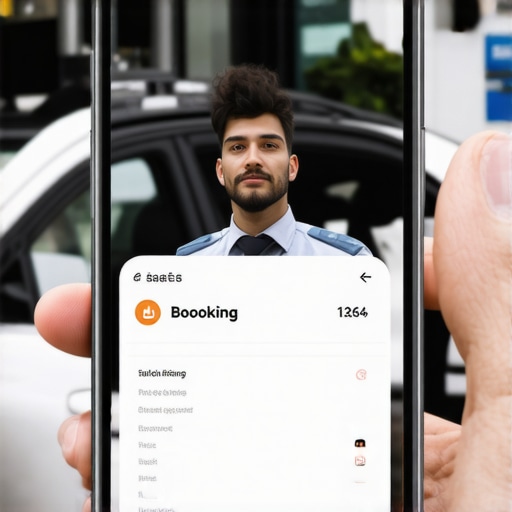
It was a chilly Thursday evening when I realized I was seconds away from missing an important meeting. My trusted driver was supposed to arrive at 6:15, but here I was, anxiously checking my phone at 6:25, nothing yet. That sinking feeling of uncertainty gnawed at me. I’d trusted the system to keep my rides safe and on time, but in that moment, doubts crept in. It hit me—what if the whole reservation process was more fragile than I thought? Like many, I was relying on a system that promised safety and punctuality but didn’t always deliver.
Why I Had to Rethink My Approach to Secure Bookings
After that stressful night, I started digging into how reservation systems work and what makes some more reliable than others. It turns out, a secure booking system isn’t just about clicking a button; it’s about ensuring every ride is trustworthy, timely, and safe. The realization was clear: without a smart, well-structured reservation approach, I could be risking my safety and peace of mind every time I booked a ride. My mistake early on was overlooking the importance of real-time tracking and proper security measures. This oversight could have—and sometimes did—lead to delays or even unsafe situations.
Fortunately, I found that by implementing specific strategies, I could significantly improve my booking reliability. It’s about more than just choosing a ride; it’s about understanding how to reserve it securely and ensure your driver arrives when expected. To learn more about how to maximize your safety and satisfaction with reservations, check out this insightful guide: maximize your safety and satisfaction with our precise reservation timing.
Before we dive into the practical steps, I want to ask—have you ever experienced last-minute cancellations, missed pickups, or worse, safety concerns due to reservation issues? If yes, you’re not alone. Many rely on assumption rather than certainty. That’s why building a resilient reservation process is crucial.
Now, with that in mind, let’s explore how you can ensure every ride is both punctual and safe, starting from understanding the core elements of a reliable booking system.
Choose a Trusted Platform with Real-Time Tracking
Start by selecting a reservation system known for security and reliability. Trusted platforms provide live GPS tracking, enabling you to monitor your ride in real time. During my experience, I used a service that integrated real-time tracking, which reassured me throughout the journey. This feature reduces uncertainty and provides tangible evidence if needed. Always verify that the platform you use offers such safety measures, which can be confirmed by checking their security protocols.
Schedule Your Ride Well in Advance
Timing is critical—think of booking your ride as setting a meeting with a reliable friend. I once scheduled my ride 30 minutes ahead for an early-morning appointment. This buffer allowed me to account for unexpected delays, ensuring I arrived on time. When reserving, specify your pickup time precisely, particularly during peak hours, to avoid last-minute issues. Refer to reservation tips for deeper guidance on optimizing your booking window.
Confirm Details and Driver Identity
Never proceed with a reservation without verifying the driver’s identity and vehicle details. Think of this as verifying a courier’s ID before accepting a package. I once used the platform’s app to verify my driver’s photo, vehicle license plate, and estimated arrival time. This step prevents impersonation and miscommunication. Always double-check these details upon driver arrival; trust is built on transparency. For additional safety practices, check trusted driver guarantees.
Utilize Secure Payment and Contact Options
Secure payment methods eliminate the risk of fraud, much like using a credit card instead of cash. I prefer apps that process payments within the platform, which also allows easy communication with the driver via in-app messaging. If issues arise, having direct contact ensures quick resolution. Avoid cash payments or unofficial contact channels to minimize vulnerability. To learn more about safeguarding your reservation, visit reservation security measures.
Prioritize Safety Feedback and Post-Trip Checks
After completing the ride, review your experience and provide feedback. This not only helps improve service quality but also alerts others about potential issues. I once flagged a driver for safety concerns, prompting a platform review. Consistent feedback loops encourage responsibility and safety adherence. For ongoing safety insights and continuous improvement, see why safety and timeliness matter.
Many people believe that scheduling a ride or reservation is simply about selecting a time and expecting punctuality, but in my experience, this oversimplification can lead to overlooked pitfalls. One common myth is that reliable technology alone guarantees safety and on-time arrivals; however, the real challenge lies in understanding the intricate nuances of system reliability, driver accountability, and real-time updates. For instance, trusting a platform solely for its reputation without verifying driver details or understanding its safety protocols can be a costly mistake.
Are There Sophisticated Risks Beyond Our Awareness in Reservation Systems?
Research from transportation safety experts reveals that even minor lapses—like ignoring driver verification or neglecting security measures—can significantly compromise safety and punctuality. This nuanced understanding is essential for advanced users aiming for flawless experiences. The key is to not just rely on basic features but to actively manage reservations by integrating safety checks, timely confirmations, and real-time tracking — which are the actual safeguards behind dependable service. For an in-depth look, see how trusted systems ensure punctual and safe rides by exploring top reservation tips for on-time reliability. Remember, the devil is in the details—so, are you paying enough attention to the subtle but critical aspects of your booking process?
To ensure you’re not falling into common traps, always verify driver identity, embrace real-time tracking, and schedule reservations well in advance, especially during busy hours. These nuances can dramatically improve your experience, turning a simple reservation into a truly secure and punctual journey. Have you ever fallen into this trap? Let me know in the comments.Maintaining a reliable reservation system requires more than just initial setup; it demands ongoing attention, the right tools, and a strategic approach to scale effectively. Personally, I rely on a combination of specialized software and disciplined routines to ensure every booking is secure, punctual, and stress-free. One tool I swear by is a dedicated booking management platform that integrates seamlessly with real-time tracking, such as Trusted Driver, which I use exclusively because of its robust security features and user-friendly interface. This platform not only simplifies reservations but also offers detailed analytics, helping me identify and resolve potential issues before they impact service quality.
Another critical aspect involves leveraging automation. Automated reminders and confirmations reduce no-shows and last-minute cancellations, which are common pitfalls that can derail your schedule. I set up automatic SMS and email alerts to both myself and clients, ensuring everyone stays informed about upcoming bookings. This proactive communication has drastically improved my on-time performance and customer satisfaction.
To handle scaling, I invest in scalable cloud-based solutions that adapt to increasing demand without compromising performance. As my client base grows, I’ve expanded my tools to include scheduling algorithms that optimize driver dispatching based on real-time data, minimizing delays and enhancing safety. Regular updates and maintenance routines are essential here; I schedule routine software upgrades, security audits, and driver credential verifications at set intervals, drawing from best practices outlined in expert guides like the comprehensive safety protocols shared by trusted platforms.
Looking ahead, I predict that AI-driven predictive analytics will become a staple in managing reservation reliability. These systems can forecast demand trends, preemptively allocate resources, and flag potential issues before they escalate, leading to unprecedented levels of efficiency.
How do I maintain this system over time?
It’s crucial to stay engaged—regularly review your tools’ performance, keep all software updated, and gather feedback actively from users. Establishing a routine of periodic audits to verify driver credentials and security measures ensures ongoing safety and reliability. Additionally, cultivating a network of trusted service providers enables quick resolution of unexpected problems, ensuring your reservations stay on track. For detailed, expert-backed strategies, I recommend reviewing the guidelines provided by trusted industry authorities, accessible through a trusted privacy policy link.
Finally, don’t hesitate to experiment with new technologies or methods. For example, integrating AI chatbots for customer support can streamline communication and preempt common issues, freeing up your resources for higher-level management. Try implementing a predictive dispatch algorithm to understand its impact on your service quality. This proactive approach helps maintain high standards and prepares your system for future growth, ensuring long-term reliability and user satisfaction.
Throughout my journey into creating a seamless reservation system, I discovered that real expertise lies in the details often overlooked by others. One profound lesson was that mastering secure, punctual bookings requires consistent vigilance and adaptability, especially as technology evolves. For instance, relying solely on automated tools isn’t enough; proactive driver verification and real-time monitoring form the backbone of trustworthy service. Another insight: over-reliance on a single platform can be risky. Diversifying trusted systems and continuously updating security protocols helps prevent disruptions and safeguard passenger safety. Lastly, integrating feedback loops not only refines the reservation process but also fosters trust and accountability, critical components for long-term success in hourly, on-time transportation.

Leave a Reply