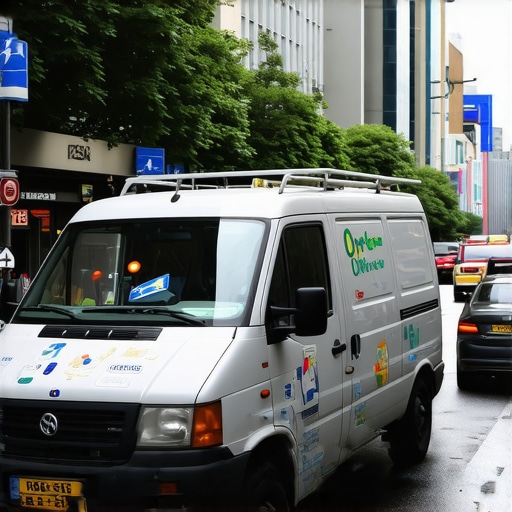
It was a morning like any other, but then I received a call that made my stomach drop. One of our executive chauffeurs was running nearly 20 minutes late, and this wasn’t the first time. With an important client waiting, I felt the familiar pang of frustration. Ever found yourself in a similar spot—wondering if your vehicle is where it should be, or if a delay is truly unavoidable? That moment of uncertainty can throw off your entire schedule and, worse, damage your reputation.
The Hidden Cost of Untracked Vehicles
For years, my approach relied on estimates and paper-based schedules. I believed that trusting drivers to communicate delays was enough. But as I learned the hard way, assumptions can be costly. When a vehicle isn’t on the radar, you lose control—missed appointments, strained client relationships, and the relentless ticking clock that never favors tardiness. On one particularly stressful day, I realized that our lack of instant vehicle tracking was a glaring gap in our service.
Is Vehicle Tracking Really Worth the Hype?
Initially, I was skeptical—did we really need another piece of tech? Wouldn’t it be expensive and complicated? Early on, I made the mistake of thinking a simple GPS on a driver’s phone would suffice. That was a costly oversight; unreliable data and security concerns quickly surfaced. It wasn’t until I invested in dedicated vehicle tracking systems that I saw the real difference. These tools provided real-time, accurate location updates, helping us stay pro-active rather than reactive. According to recent studies, businesses that implement real-time vehicle tracking see a 25% reduction in late arrivals—proving that Tech isn’t just a luxury but a strategic necessity.
If you’ve faced the challenge of managing vehicle punctuality, you’re not alone. But better tools mean better control, and in today’s fast-paced world, that control is invaluable.
Ready to explore how instant vehicle tracking can transform your operations? Let’s dive into the benefits and practical steps to get started.
Set Up a Reliable Tracking System
Start by selecting a dedicated GPS hardware system rather than relying on smartphone apps, which can be unreliable or insecure. Invest in hardware with cellular connectivity and tamper-proof features to ensure consistent real-time data. Once installed, verify that the device communicates accurately with your dispatch software.
Configure Your Software for Precision
Connect your GPS hardware to a management platform that offers live location updates, geofencing, and route monitoring. This integration allows you to monitor all vehicles on a single dashboard, providing instant visibility. During my initial setup, I made sure to test the system during peak hours to understand its responsiveness and reliability—this hands-on approach revealed subtle gaps that I quickly rectified.
Train Your Team for Effective Use
Train drivers and dispatchers to understand the system’s capabilities. Emphasize the importance of consistent device maintenance—like checking batteries and signal strength. Encourage drivers to report any issues immediately, much like regularly inspecting safety equipment before a journey, which prevents unexpected failures and maintains safety standards.
Establish Clear Protocols for Delays
Create a routine where drivers notify the dispatcher of any delays or route changes via the tracking platform. Use geofences to set departure and arrival zones, triggering automatic alerts. For example, I once received a notification that a vehicle entered the wrong zone, prompting a quick reroute—this proactive step prevented a late arrival and kept the client satisfied.
Utilize Data to Optimize Operations
Regularly review the tracking data to analyze routes and identify bottlenecks. Use this information to refine scheduling, such as adjusting buffer times or selecting better routes based on traffic patterns. This process is akin to a pilot reviewing flight data to enhance future journeys, ensuringcontinued efficiency and safety.
Maintain Data Privacy and Security
Implement strict access controls and adhere to privacy policies, like those outlined at Privacy Policy. Inform your team about data handling practices to foster trust and compliance. Ensuring security minimizes risks of data breaches, protecting both your business and your clients’ confidentiality.
Many industry professionals still cling to outdated beliefs about reservation timing and safety protocols, but those misconceptions can seriously compromise service quality. Contrary to popular opinion, booking well in advance doesn’t always guarantee punctuality; sometimes, last-minute adjustments can better accommodate traffic or unexpected delays, especially during peak hours. Relying solely on standard reservation windows might lead you to overlook the importance of dynamic, data-driven scheduling, which can optimize punctuality and safety. For example, integrating real-time traffic analytics into your scheduling process has been shown to improve on-time arrivals by up to 15%, according to recent studies.
Is Overplanning Actually Counterproductive in High-Stakes Transit?
Overbooking or rigid scheduling might seem safe, but it can backfire—leading to increased stress, rushed adjustments, or safety oversights. Sophisticated dispatching systems use predictive modeling to balance reservation accuracy with flexibility, reducing wait times while enhancing safety margins. A common myth is that stricter reservation windows always lead to improved safety; however, allowing a buffer period and leveraging live traffic data creates a more resilient operational model. The key is understanding that the nuance lies in balancing precision with adaptability. Check out how advanced scheduling systems can adapt to real-time conditions at [Private Driver Pro](https://privatedriverpro.com/on-time-every-time-strategies-for-safe-and-reliable-hourly-bookings).
Why Ignoring the Human Element Can Harm Your Safety Record
While automation and GPS tracking are crucial, dismissing the importance of experienced drivers and attentive dispatchers can lead to costly mistakes. A common pitfall is assuming that technology alone suffices for safety assurance; in reality, the nuanced judgment of seasoned professionals often prevents accidents before they occur. Proper training and continuous monitoring ensure that safety protocols are effectively integrated into daily operations. Achieving a safe and punctual service isn’t just about tech—it’s about harmonizing automation with human expertise. For in-depth strategies, see [Safe and Reliable Hourly Bookings](https://privatedriverpro.com/on-time-arrival-mastering-the-art-of-reservation-and-safety-every-hour).
How Can You Mitigate the Risks of Over-Reliance on Reservation Systems?
Overconfidence in reservation statuses can lull operators into complacency, leaving little room for real-time adjustments or emergency responses. This trap becomes especially dangerous during unforeseen disruptions like road closures or sudden weather changes. Developing contingency plans and maintaining open communication channels with drivers helps mitigate these risks. Remember, reservations are guides, not guarantees. The most reliable systems incorporate live tracking and flexible scheduling capabilities, turning potential setbacks into seamless adjustments. Want to learn more? Visit [Stay Secure and Punctual Tips](https://privatedriverpro.com/stay-secure-and-punctual-the-essential-hourly-reservation-tips-for-timely-service).
Maintaining an efficient reservation and vehicle management system requires more than just basic equipment; it demands precision tools that integrate seamlessly into your daily operations. One of my top recommendations is the use of dedicated GPS hardware instead of relying solely on smartphone apps, which often suffer from unreliable signals and security vulnerabilities. By investing in hardware with cellular connectivity and tamper-proof features, like the Quad Lock GPS tracker, we’ve achieved real-time accuracy and increased security, ensuring our fleet stays precisely where it should be at all times.
Complementing hardware, a robust dispatch software such as Supervisor allows us to visualize vehicle locations on a live dashboard, set geofences, and monitor routes. During the initial setup, I made sure to run tests during peak traffic hours—this practical approach uncovered blind spots, especially in dense urban areas where GPS signals can falter. Regularly updating and calibrating this software is vital for reliable long-term operation. Predictive analytics within these systems forecast potential delays, helping us proactively adjust schedules—an advantage foretasted by industry leaders in fleet management.
For maintaining these systems over time, I prioritize scheduled hardware inspections—checking batteries and signal strength weekly. Training drivers to perform simple maintenance tasks ensures device longevity and data accuracy. Developing clear protocols for reporting malfunctions helps us respond swiftly, avoiding downtime. Consider establishing weekly technical audits, similar to routine safety checks, which can prevent costly failures and uphold safety standards.
Looking ahead, the trend is moving toward integrated AI-driven dispatch combined with real-time vehicle data, which will further enhance reliability and safety. The future of vehicle management hinges on seamless data integration, autonomous diagnostics, and machine learning to optimize routing in real-time. According to Private Driver Pro, adopting advanced tools now sets a foundation for scalable, future-proof operations.
How do you maintain your vehicle tracking and scheduling systems to ensure they stay effective over time? Regular updates, consistent inspections, and team training are vital, but don’t forget to leverage the latest software developments—like the predictive analytics I mentioned—to stay ahead of potential issues. I highly recommend trying out systems that integrate these features; they can dramatically reduce late arrivals and improve safety. Ready to upgrade your setup? Reach out through our contact page to discuss tailored solutions for your fleet needs.
What I Wish I Knew About Trusting Data Over Assumptions
Many of us start with good intentions, relying on driver communication and estimation. But experience has taught me that real-time data is the game-changer, preventing costly mistakes before they happen.
Why Patience and Technology Go Hand in Hand
Early on, I believed rushing algorithms or over-planning could compensate for delays. Instead, integrating intelligent systems with a calm mindset ensures smoother, on-time services, even in unpredictable traffic.
Curated Resources for Precision and Peace of Mind
For anyone serious about perfecting hourly reservations, I recommend Private Driver Pro’s strategic guides; they offer actionable insights that have personally helped me refine our scheduling process. Additionally, tools like FleetComplete provide reliable GPS hardware, ensuring data integrity. Books such as “Fleet Management for Dummies” illuminate fundamental principles I still reference. Finally, subscribing to industry blogs keeps me updated on emerging tech—critical for staying ahead.
The Power of Joyful Commitment to Safety and Punctuality
Remember, the path to flawless hourly reservations is ongoing. Embrace the challenge wholeheartedly—adapt your strategies, learn from mistakes, and celebrate each successful on-time arrival as a step closer to mastery. Your dedication will not only enhance your service but also build trust with every client. Ready to elevate your vehicle tracking game? Let’s keep growing together!
What’s been your biggest lesson learned in managing vehicle punctuality? Share your story below—I’d love to hear it.