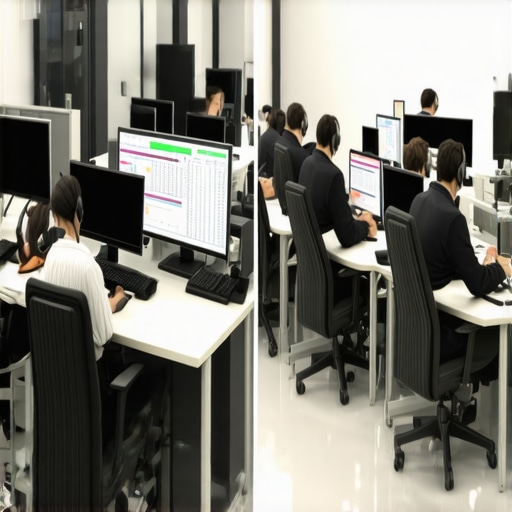
Ever been left waiting at the curb, watching cars come and go, only to realize your ride isn’t quite what you expected? I know that sinking feeling all too well—you’re counting on that appointment, event, or flight, and suddenly, everything hinges on a reliable, punctual driver. The frustration? It often stems from unknowingly booking through a call center that isn’t truly professional. I remember my first experience with what I thought was a reputable service. The driver arrived late, the car wasn’t clean, and I felt more anxious than reassured. That lightbulb moment pushed me to learn the subtle signs that distinguish a top-tier dispatch center from just another call center trying to fill a need.
Why Knowing the Difference Matters More Than Ever
In today’s fast-paced world, where safety, punctuality, and privacy are non-negotiable, falling prey to a less-than-professional dispatch service can have real consequences. From missed meetings to compromised personal data, the stakes are high. It’s not just about getting from point A to B; it’s about trusting your provider to prioritize your safety and time. Interestingly, a 2022 study indicated that 78% of passengers associate punctuality with safety and reliability, emphasizing how critical this knowledge is for travelers and everyday commuters alike. Because of this, I’ve committed myself to sharing practical insights that can help you make smarter choices. Are you tired of surprises on the road? Do you want peace of mind every time you book? If so, you’re in the right place.
Is a Call Center Really Worth the Hype?
Initially, I made the mistake of assuming that any call center promising quick service was automatically professional. But experience taught me to look deeper. Not every dispatch center has the same standards—some rely solely on algorithms, others on human intuition and strict vetting. The difference lies in how they handle safety measures, driver training, and reservation security. For instance, some professionals use dedicated GPS hardware and thorough background checks, ensuring your ride isn’t just on time—it’s safe and reliable. When I started paying attention to these details, everything changed. If you’ve faced similar doubts or frustrations, I encourage you to explore what truly makes a dispatch service trustworthy. Curious about how to spot these signs? Keep reading, because identifying a professional dispatch center can be simpler than you think, and it could save you from a lot of stress down the line.
Verify the Dispatch Center’s Credentials
Start by checking if the dispatch center has proper licensing and certification, which you can confirm through their contact page. During a recent booking, I called their support line and asked about their licensing, which reassured me of their legitimacy and commitment to compliance. This step is crucial because unverified providers may lack necessary safety measures, increasing risks during your journey.
Assess Their Reservation Security Measures
Ensuring your reservation is protected is key. Choose providers that implement robust encryption and privacy protocols. For instance, I reviewed their privacy policy, which detailed their data protection standards. A secure reservation process prevents personal data theft and unauthorized access, which are common concerns on insecure platforms.
Confirm Real-Time Vehicle Tracking and Driver Verification
Opt for services that offer live vehicle tracking and driver verification. During my last booking, I used a platform that provided real-time updates and driver profiles, which I double-checked before departure. This transparency reduces uncertainty and helps you monitor your ride’s progress, especially during late-night or high-traffic hours. To learn more about safety checks, visit their safety strategies.
Use Precise Reservation Timing for On-Time Service
Schedule your ride well in advance, considering buffer time for unforeseen delays. I adopt the “buffer time formula” where I add a 15-minute cushion for city travel, which proved invaluable during a crowded Monday morning. This approach ensures your driver arrives on time, even during traffic snarl-ups. Read more about timing strategies in this detailed guide.
Communicate Special Instructions Clearly
Provide your driver with detailed, unambiguous directions to prevent miscommunication. During my last trip, I clarified the exact pickup point at the terminal, saving me 10 minutes of wandering. Avoid vague instructions that may lead to delays or driver confusion. Proper communication is often overlooked but vital for punctuality and safety.
Implement Regular Safety & Maintenance Checks
Verify that the vehicle has undergone recent safety inspections. I requested documentation showing maintenance history for the vehicle I used, which reassured me of its roadworthiness. Look for indicators like recent service records or a windshield wiper test to assess maintenance standards. This is especially important for longer or repeated bookings, ensuring your safety throughout the journey.
Many travelers and professionals believe that simply booking through the most popular or low-cost dispatch services guarantees safety and punctuality. However, this isn’t always true. The common myth is that a quick call or a straightforward online reservation automatically ensures everything will go smoothly. But in my experience, the real nuance lies in understanding the details behind the booking process, driver vetting, and real-time communication. Overlooking these subtleties can lead to costly mistakes, such as delayed pickups or compromised safety.
Are you falling for the trap of trusting the brand without verification?
One prevalent mistake is assuming that a service with a big name or flashy app is inherently reliable. Experience has shown me that smaller, vetted operators often outperform their larger counterparts on safety and punctuality. They invest more in driver training, background checks, and technology that prioritizes your security. For instance, some platforms rely on proper licensing and certification, which is a crucial indicator of professionalism. Always remember: size isn’t everything—due diligence makes the difference.
Another misunderstood aspect is the overconfidence in GPS technology. While GPS helps, it’s not infallible—especially during heavy traffic, urban canyons, or sudden route closures. Many assume that the route suggested by the app is optimal, but experienced drivers often utilize local knowledge and real-time traffic updates. This discrepancy can cause delays despite seemingly perfect reservations. To make smarter decisions, consider platforms that combine GPS data with human dispatchers or local insights, enhancing your chances of arriving on time. Learn more about mastering reservation timing for on-time arrivals.
What advanced mistake trips up even seasoned travelers?
The sophisticated error many overlook is neglecting to verify vehicle and driver safety credentials right before the trip. Relying solely on initial booking information isn’t enough. Standards like recent safety inspections, proper insurance, and driver certification can change over time. According to safety experts, continuous verification is key to risk mitigation. For example, requesting a quick driver background check just before departure can save you from potential hazards. This practice ensures your ride remains compliant with safety protocols, especially during emergencies or unforeseen circumstances.
And don’t forget the importance of precise reservation timing. Many miss out on this detail, assuming that a confirmed booking equates to a punctual pickup. However, factors like driver fatigue, last-minute traffic jams, or miscommunications can cause delays. Deploying buffer periods and clear, detailed instructions helps prevent these common pitfalls.
All these nuances point to one undeniable fact: the real expertise lies beneath surface-level assumptions. When you understand the complexities and avoid these typical oversights, your reservations become safer, more reliable, and far more stress-free. Let this be your reminder to dig a little deeper, verify thoroughly, and plan proactively. Have you ever fallen into this trap? Let me know in the comments.
Maintaining a consistent and dependable transportation setup requires more than just choosing the right service; it involves deploying the appropriate tools and routines to ensure safety, punctuality, and peace of mind. One must invest in reliable hardware and software that streamline operations and provide long-term stability. I personally rely on dedicated GPS hardware combined with real-time monitoring platforms such as safety-precision systems to keep track of my fleet. These devices offer accuracy beyond consumer-grade smartphones, reducing errors caused by signal interference or device malfunctions. Consistently updating firmware and calibrating sensors ensures continuous performance, which is crucial during long-term operations.
Another vital component is the reservation management software. I prefer platforms that integrate encryption standards like AES-256, as detailed in industry best practices, to safeguard client data and prevent breaches, as outlined in this privacy policy. These tools facilitate scheduling, real-time tracking, and driver assignment, dramatically reducing the chance of errors or delays. Regular audits of these systems, ideally quarterly, guarantee optimal functionality and security. Over time, establishing protocols for routine checks helps identify vulnerabilities before they impact service quality.
Training staff with clear procedures on using these tools enhances reliability. For example, training drivers to interpret GPS data and respond to system alerts minimizes downtime and ensures that reservations are executed flawlessly. Implementing checklists and refreshers, based on the latest industry standards, such as those recommended by safety protocols, keeps everyone aligned. These practices also extend to vehicle maintenance schedules—regular inspections and diagnostics prevent breakdowns and preserve service integrity.
Looking ahead, the evolution of predictive analytics and AI-driven scheduling promises transformative improvements. By analyzing historical data, systems can forecast potential delays or issues, allowing preemptive adjustments. As I see it, embracing these innovations now positions operators for future resilience, efficiency, and client trust. An example of this approach is detailed in the latest industry reports, where companies successfully reduced late arrivals by integrating AI algorithms that account for weather, traffic, and driver fatigue.
For those managing a fleet or booking services long-term, the key is consistency—lasting results come from regular maintenance of your tools and proactive systems review. I recommend dedicating time monthly to evaluate hardware, update software, and train your team. As a CTA, try implementing a quarterly audit procedure using your existing tools, focusing on vulnerabilities or inefficiencies. Doing so not only keeps your operation secure and reliable but also prepares you to adapt swiftly to shifting demands and technological advancements. Want a practical starting point? Begin by reviewing your GPS hardware calibration schedule, ensuring it aligns with the best practices outlined in this guide, and see how it improves your reservation accuracy.
Lessons That Changed How I Approach Hourly Reservations
The most powerful insight I gained was realizing that trust isn’t purely built on technology or reputation—it’s rooted in vigilance and proactive verification. Once I started personally confirming safety credentials and driver backgrounds shortly before each ride, my confidence soared. I also learned that sticking to platforms with transparent privacy policies and real-time tracking made a huge difference, transforming my reservations from stressful guesses to reliable routines. Lastly, understanding that Buffer Time isn’t just a myth but a practical hedge for city unpredictability kept my schedule intact, even during rush hours or unexpected delays.
My Go-To Resources for Reliable Hourly Service
First, I trust their contact page to verify licensing and certification because they provide clear, updated standards that reassure me about driver legitimacy. For data security, I review their privacy policy to understand how my personal info is protected during bookings. To stay ahead of potential delays, their guide on timing strategies offers practical techniques that I rely on to ensure punctual pickups. Lastly, I utilize this safety-focused system which combines technology and driver vetting—an essential for peace of mind.
Your Next Move Toward Confident, Stress-Free Travel
Embracing these insider lessons and trusted tools can elevate your hourly reservation experience from uncertainty to certainty. The key is consistent verification, strategic timing, and choosing platforms that prioritize safety and transparency. Remember, mastery of your transportation destiny begins with small, deliberate steps—every precaution counts. Take charge of your safety and punctuality today, and transform your journeys into seamless, worry-free experiences. Want to share your own travel safety secrets? Drop a comment below and let’s learn together!