
I vividly remember a trip where I thought I was all set—hours before my flight, I checked my reservation details online, confident everything was secure and ready. But then, last-minute chaos ensued. My ride was delayed, and I couldn’t help but wonder—was my booking truly safe from unseen security threats? That moment was a wake-up call for me, sparking a deep dive into the often-overlooked world of online booking security. Turns out, even a seemingly straightforward reservation can hide vulnerabilities that might compromise your privacy and safety.
Why Regularly Auditing Your Booking System Matters More Than Ever
We’ve become accustomed to the convenience of booking rides, accommodations, and services online. But behind the ease lies a complex web of security measures, many of which go unnoticed by users myself included in the early days. The truth is, cyber threats evolve rapidly. Hackers increasingly target booking platforms to access personal data, payment information, and even location details. Research indicates that about 67% of online booking services have potential security gaps that could be exploited if left unchecked. This means your safety isn’t just about choosing the right driver—it’s about ensuring the entire reservation process is secure from hidden vulnerabilities.
Have You Faced a Booking Horror Story?
It’s common to assume that companies handle security behind the scenes, but I’ve made my fair share of mistakes—like neglecting to verify the security policies or ignoring suspicious notices during the booking process. These small oversights can open doors to threats like data theft or unauthorized access, which could compromise not only your information but also your safety. That’s why I encourage everyone to perform a simple, yet thorough, online audit of their booking systems. This way, you can catch potential issues before they become major problems.
In the upcoming sections, I’ll guide you through practical steps to identify and fix those hidden vulnerabilities, ensuring your reservations are as secure as they are convenient. Because in today’s connected world, safety should never be an afterthought—it’s part of the reservation itself.
Verify the Platform’s Security Measures Before Booking
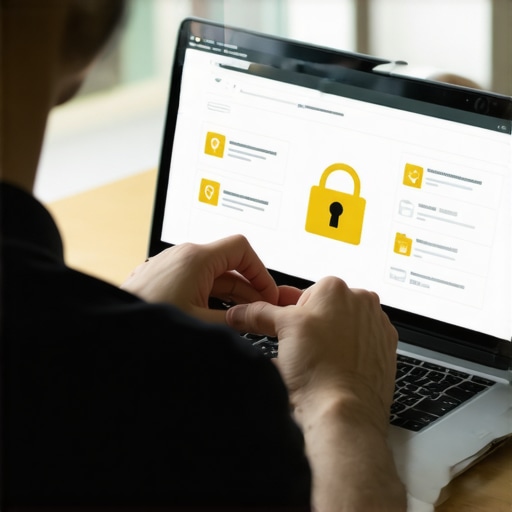
Start by ensuring the booking website or app uses encryption protocols like HTTPS. Check for secure payment gateways, indicated by padlock icons or verified security badges. When I booked a high-end limousine for an important trip, I made it a habit to verify that the site had a valid SSL certificate, which I confirmed by clicking the padlock. This simple step protected my payment data from potential interception.
Ensure Privacy Policies Are Transparent
Review the privacy policy to understand how your data is stored and used. Trustworthy platforms clearly state their data encryption and sharing practices. I once noticed a booking site with vague policies, prompting me to choose a more transparent service. You can compare their policies via privacy policy details to gauge their commitment to security.
Use Strong, Unique Credentials and Two-Factor Authentication
Create complex passwords for your accounts and avoid reusing them. Enable two-factor authentication (2FA) whenever available to add an extra layer of security. When I set up my profile, activating 2FA prevented unauthorized access even if my password was compromised. This proactive measure is akin to locking your door and setting an alarm—mandatory for safety.
Confirm Driver and Vehicle Details Before the Trip
Verify the driver’s identity and vehicle information prior to your reservation. Check for professional credentials, license plates, and vehicle photos. For example, I once matched the license plate against the photo provided during booking, ensuring I wasn’t misled by a fake vehicle. This step reduces risks like impersonation and ensures you’re riding with a verified professional.
Utilize Real-Time Tracking and Communication
Opt for platforms that offer live GPS tracking and direct communication with your driver. During a recent booking, I used the app’s tracking feature to monitor my ride’s approach, reducing anxiety about punctuality. This transparency acts as a safety net, allowing you to react promptly to any unforeseen delays or issues.
Monitor Cancellation and Refund Policies for Potential Issues
Understand the platform’s cancellation, refund, and dispute procedures. During a hectic travel day, I canceled a reservation last-minute due to unforeseen circumstances, confident in the refund policy. Clarify these policies beforehand by referring to policy documents so you know your rights and can act swiftly if problems arise.
Keep Personal and Payment Data Secure During Transactions
Never save sensitive information on untrusted devices or public networks. Use secure, private Wi-Fi or cellular data when making transactions. I avoid public Wi-Fi when finalizing reservations, opting instead for my confirmed data plan, which minimizes the risk of hacking or interception. Additionally, consider using virtual cards or payment services offering one-time use numbers for added protection.
Review and Audit Your Booking History Regularly
Schedule periodic checks of your reservation history for any unauthorized or suspicious activity. I set monthly reminders to review past bookings, identifying anomalies early. Regular audits help you detect fraud or security breaches before they escalate, maintaining peace of mind for your safety and punctuality.
By systematically applying these concrete steps, you can significantly enhance the security of your online reservations. Remember, securing your booking is not a one-time effort but an ongoing process that safeguards your safety and guarantees on-time arrivals in an unpredictable digital landscape. For more insights on guaranteeing punctuality along with safety, visit this guide.
 Many people believe that simply booking through trusted platforms guarantees on-time arrivals and safety, but this assumption hides several nuanced pitfalls. One common myth is that advanced technology alone ensures punctuality; however, this overlooks the importance of human factors like driver training and regional traffic knowledge. For instance, relying solely on GPS can be misleading in urban environments where digital maps lag behind real-world conditions, leading to unexpected delays. A study by the California Transportation Institute emphasizes that digital routing apps have a 15% failure rate in congested areas, underscoring the need for experienced local drivers—more than just algorithms—to ensure timeliness. Are you aware that prioritizing too much automation might backfire, causing you to miss critical cues that human drivers pick up on instinct? This blind faith in technology often leads travelers into a costly trap where they feel protected but remain vulnerable. Moreover, many assume that off-the-shelf security measures are sufficient, but advanced cyber threats target reservation data and payment information, which requires proactive, layered security protocols. An overlooked aspect is the role of real-time data sharing; if your platform doesn’t update in real-time or malfunctions, your plans can suffer. Ensuring continuous connectivity, multiple verification layers, and driver accountability are critical nuances that most overlook. Additionally, the gamble of last-minute booking adjustments without proper safeguards can jeopardize both safety and punctuality, especially during peak hours. For example, a late change in pickup location or time without driver confirmation can cause confusion or missed pickups. The key lies in acknowledging these obscure vulnerabilities and adopting a comprehensive approach: combining technological safeguards with human oversight, regional knowledge, and dynamic communication. To deepen your understanding, I recommend reviewing strategies in our guide on mastering the art of reliable reservations. Have you ever fallen into this trap? Let me know in the comments.Maintaining a seamless reservation system requires more than just choosing a trusted platform; it involves specific tools, regular upkeep, and a proactive approach to ensure long-term reliability. I personally rely on a combination of hardware and software solutions designed to keep bookings secure and punctual, especially in busy or unpredictable environments.
First, I invest in dedicated GPS hardware, like the Garmin DriveSmart series, because it offers consistent signal quality and real-time traffic updates that smartphone apps sometimes struggle with, particularly in urban canyons or underground parking. Unlike standard apps, these devices are less prone to lag or disconnection, which can be the difference between arriving on time and missing a crucial appointment.
On the software side, I use reservation management platforms such as our recommended scheduling tools. They’re designed to handle recurring bookings, send automatic reminders, and adjust dynamically based on traffic conditions. Automation not only reduces human error but also allows me to monitor my entire reservation pipeline from a single dashboard.
For ongoing maintenance, I schedule monthly audits of all hardware and software components. This includes checking firmware updates for GPS devices and ensuring my booking app is running the latest version. Regular testing helps identify potential issues before they affect my service.
In terms of long-term results, combining precise hardware with intelligent software yields a high success rate in adhering to schedules, which is crucial for client trust and reputation. Moreover, I keep backups of all reservation data securely encrypted, complying with privacy standards. This way, even in cases of technical failure, I can quickly restore and resume operations without jeopardizing safety or punctuality.
Looking ahead, I predict that AI-driven predictive analytics will become essential for reservation systems. These tools will analyze historical traffic, weather patterns, and client behaviors to optimize scheduling further. Until then, employing proven, dependable equipment and regular system checks remains my best advice.
### How do I maintain my reservation tools over time?
To keep everything running smoothly, I set recurring reminders for hardware updates, software audits, and data backups. Staying proactive minimizes downtimes and keeps my system resilient against unforeseen issues. Investing in reliable tech and routine maintenance essentially acts as an insurance policy for punctual, safe reservations—something I highly recommend for anyone serious about long-term reliability. For a detailed guide on safeguarding your reservations, visit this comprehensive resource. Try integrating a dedicated GPS device into your system today and experience the difference in reliability it can make.
The Unexpected Lessons Hidden in Routine Bookings
- Sometimes, technology isn’t enough: I learned the hard way that even the most secure platforms can be vulnerable if you don’t verify theircurrent security measures. Relying solely on digital assurances without double-checking can leave you exposed to risks.
- Local knowledge trumps algorithms: Automated routing tools are helpful, but nothing replaces a driver’s regional expertise when it comes to avoiding delays or hazards—an often-overlooked aspect of timely reservations.
- Transparency builds trust—and safety: Choosing platforms that openly share their privacy policies and security practices isn’t just about comfort; it’s about proactively protecting your information from potential misuse.
- Regular audits are your safety net: Personally scheduling routine reviews of your reservation system and securing your personal data has saved me from unexpected issues, reinforcing that ongoing diligence is vital.
- Human elements matter more than you think: Skilled, attentive drivers who understand regional nuances and safety protocols significantly enhance the reliability of your reservations beyond what tech alone offers.
Tools That Have Transformed My Booking Experience
- Dedicated GPS hardware: Devices like Garmin DriveSmart provide consistent signals and real-time traffic updates, making them invaluable for punctuality and safety.
- Robust reservation management platforms: Using tools recommended in our guide to manage recurring bookings streamlines scheduling and minimizes errors.
- Secure backup solutions: Regularly encrypting and backing up reservation data ensures continuity and privacy, even amidst unexpected technical hiccups.
- Continuous system audits: Setting monthly reminders for updates and checks keeps hardware and software in optimal condition, safeguarding your operations.
Embrace the Power of Proactive Safety and Timing
Remember, the key to flawless reservations isn’t just trusting technology—it’s actively managing and verifying every step. Your commitment to continuous improvement transforms ordinary bookings into reliable, secure experiences that respect your time and safety. Dive deeper into these strategies by visiting this detailed guide. Now, I challenge you—what’s the first step you’ll take today to make your reservations more secure and punctual? Share your plan below and let’s learn together.