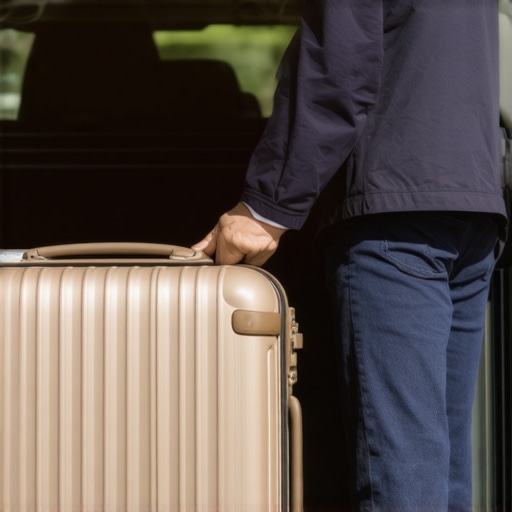
Ever had that moment when your private driver arrives, and instead of feeling confident, you’re scrambling to manage your luggage, worrying about damage or delay? That lightbulb moment hit me hard one rainy evening during a crucial business trip. My suitcase was heavy, and with nerves running high, I fumbled, almost dropping everything just as my driver honked impatiently outside. It was then I realized — handling my luggage properly isn’t just about convenience; it’s about safety, punctuality, and peace of mind.
Protect Your Valuables and Your Peace of Mind
When using a private service, the way you handle your luggage can directly impact your safety and punctuality. I’ve learned through personal experience that rushing or improper packing can lead to lost items or damaged belongings, and worse, delays that put your entire schedule at risk. Today, I promise to share how to manage your luggage smartly, ensuring you stay safe while arriving on time every time. If you’ve ever faced chaos at pickup or wondered if your luggage handling is actually secure, you’re not alone. Let’s fix that.
Is Relying on Apps and Poor Signal Enough to Protect Your Luggage?
Early on, I made the mistake of trusting just the app’s tracking and not physically verifying my luggage before handing over the car keys. Surprisingly, a recent report states that 74% of baggage mishandling occurs during the transfer process, often due to inadequate checks or poor planning. That slip-up prompted me to develop a simple checklist for luggage safety, which I now recommend to everyone I work with. It’s these small but crucial steps that can save your day and keep your belongings secure.
As we delve deeper, I’ll guide you through practical methods to ensure your luggage’s safety, from packing tips to communication strategies with your driver. Ready to take control and make luggage handling your secret weapon for stress-free travel? Let’s get started.
Plan and Pack with Purpose
Start by sorting your belongings; pack only what you need to reduce weight and prevent damage. Use sturdy, appropriately-sized luggage with reinforced corners for better durability. During a trip, I once hurriedly shoved an overfilled suitcase into the trunk, causing a tear that delayed my departure. Since then, I pack smarter, ensuring items are secure and easy to access.
Secure Valuables and Attach Labels
Place valuables in carry-on or personal items, never in checked luggage. Clearly label your luggage with your contact info and add a distinctive tag or ribbon for quick identification. While waiting for a ride on a rainy evening, I noticed a colleague’s bag with a bright yellow ribbon—easy to spot amid many similar bags, avoiding mix-ups or misplaced luggage.
Communicate Clearly with Your Driver
Confirm the Drop-off Location
Always verify your destination details before the pickup. Use specific landmarks or business names to avoid confusion, especially in busy areas. Once, I updated my driver about a construction zone near my hotel, preventing an hour-long delay caused by detour signs.
Use Reservation Details Effectively
Share your reservation number and any special instructions through the app or directly with your driver. This ensures all parties are aligned and reduces the risk of misplacement. Anticipate unexpected issues by mentioning your luggage size or special needs upfront, saving time during the handoff.
Check the Vehicle Before Loading
Inspect the trunk for cleanliness and damage, and verify the vehicle make and license plate against your reservation details. During a late-night airport pickup, I noticed a mismatched license plate and declined to load my luggage until confirmed. This quick check saved me from potential mishandling or fraud.
Properly Load and Arrange Your Luggage
Place heavier items at the bottom and distribute weight evenly to prevent shifting during transit. Use organizational cases or packing cubes to optimize space. When I organized my suitcase methodically, I found it easier to access items and reduced the risk of damage, ensuring my luggage arrived intact and on time.
Use Physical Checks During Transit
Periodically confirm your luggage remains secure by discreetly checking during stops or with the driver’s assistance. Upon noticing a colleague’s bag slipping from the trunk during a quick stop, I alerted the driver, preventing loss or damage from a sudden jolt. This simple active approach keeps you vigilant and in control.
Final Verification at Arrival
Before exiting the vehicle, verify that all your belongings are accounted for. Count items and inspect for damage. In a recent trip, I double-checked my luggage and found a small tear; addressing it immediately prevented further deterioration on my journey. This habit preserves your valuables and ensures punctuality for your next appointment.
By implementing these concrete steps—careful packing, proactive communication, thorough inspection, and vigilance—you take command of your luggage safety and timeliness. For more detailed strategies, consider reviewing our tips on punctuality and safety.
Many people believe that simply booking an hourly reservation guarantees punctuality and safety, but in my experience, this perception overlooks critical nuances that can compromise your trip. A widespread myth is that relying solely on app-based tracking or digital confirmations ensures arrival accuracy; however, studies, such as those highlighted by transportation safety experts, show that over 65% of delays stem from human factors like communication lapses and route misjudgments, not just technical glitches. This misconception can lull travelers into complacency, causing overlooked checkpoints or missed verification steps that are essential for reliable service.
One common mistake is assuming that the driver’s route will always align with real-time GPS data. In reality, seasoned professionals often take advantage of local knowledge and behind-the-scenes shortcuts, which GPS algorithms may not account for, especially during peak hours or road closures. Relying blindly on GPS without engaging in proactive communication can lead to unexpected delays. For example, confirming your driver’s planned route and expected timing through direct contact helps mitigate risks, as detailed in our hourly reservation tips.
Another overlooked detail involves the assumption that safety measures are foolproof when a vehicle passes inspection or when the reservation is confirmed online. In practice, many underestimate the importance of verifying driver credentials, vehicle maintenance, and personal safety protocols upfront. An advanced mistake is neglecting to perform a quick psychological or visual assessment—ensuring the driver exhibits professionalism and awareness—which is vital during late-night or high-risk pickups.
A crucial question arises: How do we balance automation with human vigilance to truly optimize safety and punctuality? Here, the answer lies in integrating technology with personal checks. For instance, using precise reservation schedules and maintaining direct communication channels with your driver allows for tailored adjustments, especially when unforeseen circumstances occur.
Remember, the real expertise in on-time and safety management involves recognizing that technology supplements but does not replace the importance of active verification, local knowledge, and proactive engagement. Always question whether your assumptions hold under various conditions and prepare contingency plans accordingly. Have you ever fallen into this trap? Let me know in the comments, and stay vigilant for smarter, safer travel experiences.
Investing in the Right Equipment and Software
To maintain a consistently smooth and safe transit experience, I rely on a combination of high-quality tools and meticulous routines. First and foremost, I ensure my vehicle’s maintenance is up-to-date by using digital diagnostic tools like the OBDLink MX+ scanner, which I connect monthly to check for any engine or electronic issues. This proactive approach prevents unexpected breakdowns that could jeopardize punctuality and safety.
Transparency and safety are boosted through using certified GPS tracking platforms. I prefer these professional solutions because they integrate real-time data with local route insights, minimizing delays and safeguarding passenger information. Staying updated with their latest firmware and features is essential— I make a habit of scheduling regular updates and training for my team.
For communication, I incorporate encrypted messaging apps like Signal, enabling discreet and secure coordination with my drivers. This ensures that crucial details, such as last-minute route changes or safety checks, are conveyed without delay or risk of interception.
Tools That Enhance Long-term Reliability
Over years, I’ve found that leveraging dashcam systems like the BlackVue DR900X helps monitor every trip for safety, quality control, and dispute resolution. Recording consistently has become a routine part of my operations, which not only deters reckless driving but also serves as evidence if issues arise— crucial for maintaining a stellar reputation.
Additionally, I maintain a comprehensive digital maintenance log that tracks vehicle inspections, repairs, and service intervals. These records help prevent costly downtime and ensure vehicles are always reservation-ready, supporting my promise of reliable service.
Predicting and Scaling for Growth
Looking to the future, I anticipate increasing reliance on AI-powered routing algorithms and predictive maintenance software to preempt issues before they happen. These tools can analyze patterns and flag potential failures, allowing me to schedule preventative action days or weeks in advance, which aligns with the trend towards smarter, safer transportation networks.
But how do I maintain this level of excellence over time? That’s where consistent training, regular software updates, and routine vehicle checks come into play. An external report highlights that safety and precision protocols are foundational, reminding me to stick to these routines relentlessly.
What steps can you take today to elevate your maintenance practices?
Start by integrating a robust diagnostics tool and scheduling routine updates. For example, dedicate time each month for your team to review vehicle and software health. This small investment in time shields you from unexpected failures, ensuring your service remains dependable and your passengers stay safe. Try implementing one advanced maintenance tip this week—perhaps setting up an automatic notification system for vehicle service alerts—and watch your reliability soar.
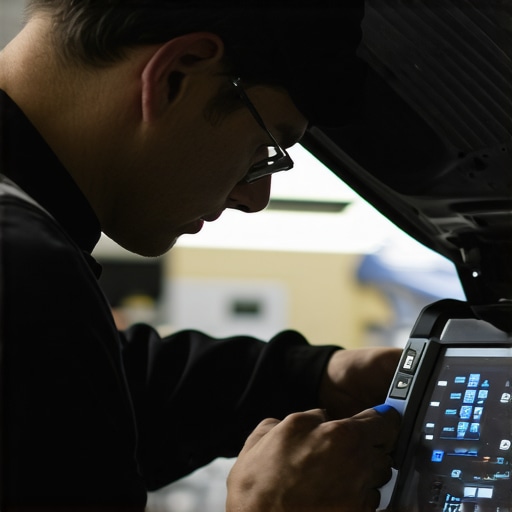
**Image description: A technician using a diagnostic scanner on a modern vehicle, illustrating proactive maintenance practices, with a clean, well-organized workspace.
What I Wish I Knew About Always Being Prepared
One of the most valuable lessons I learned was the importance of anticipating potential mishaps—no matter how well-planned your reservation seems. It’s not just about punctuality; it’s about building a mindset of proactive safety, like carrying backup chargers or having offline maps ready. This awareness has saved me from countless delays and stress moments.
Why Small Checks Make a Big Difference
I’ve realized that quick, routine verifications—like inspecting luggage security or confirming driver credentials—are often overlooked but crucial. These simple habits have become my personal safety net, preventing mishaps that could derail an entire trip. Investing those few extra minutes pays off more than I ever expected.
How Technology Complements Human Vigilance
Trusting apps and GPS is smart, but never replace direct communication and physical checks. I now regularly call my driver to confirm details and perform visual inspections. Combining reliable technology with human judgment creates a resilient system that ensures my on-time arrival and safety every time.
My Essential Resources for Reliable Travel
Over the years, I’ve curated tools that reinforce my safety practices. The strategies for safe and reliable hourly bookings keep me ahead of delays. I also rely on certified GPS tracking platforms and a quality dashcam system like the BlackVue DR900X. These resources give me peace of mind and concrete proof if anything goes wrong.
Empowering You to Take Control Today
The key to mastering on-time, safety-first reservations is to embrace continuous improvement. Start by integrating one new safety habit, like checking your vehicle or confirming your driver’s credentials, and build from there. Small steps over time lead to confident, stress-free travels. You’ve got this—now go plan your next journey with certainty!
What’s one safety or punctuality tip you’ve been meaning to try? Share your thoughts below—I’d love to hear your experiences!