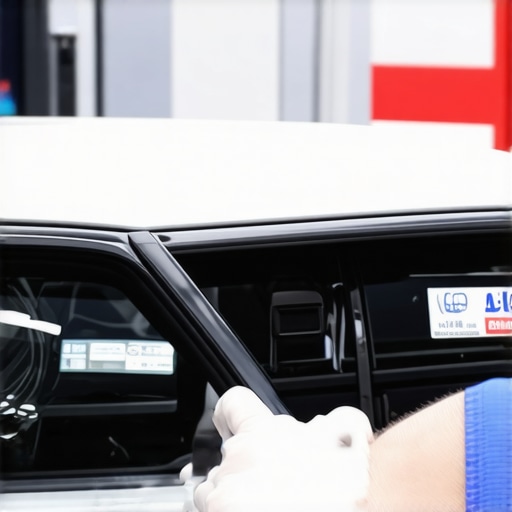
I remember the moment vividly. I was rushing to a crucial meeting, and my confidence in my transportation had been merely based on a quick glance at the vehicle’s decal. Suddenly, I spotted something off—an inconsistent font, a misaligned logo. Heart pounding, I realized I might have just approached a fake decal, and if I had trusted it blindly, I could have been led astray or even compromised my safety. That lightbulb moment hit me hard: the devil is in the details, especially when it comes to signs on a hired vehicle.
Fast, Simple Ways to Verify Authentic Vehicle Decals
Is All Decal Inspection Overhyped or Actually Worth It?
Early in my experience, I made a rookie mistake—I trusted the outward appearance without verifying the decal’s authenticity. I learned the hard way that fake decals can be deceptively convincing, designed to lure unaware passengers. The good news is, with just a few quick checks, I now can spot a fake decal in seconds. Not only does this keep me safe, but it also ensures I’m dealing with reputable service providers. Want to learn how to do the same? Keep reading—I’ll walk you through my tried-and-true tips. For more on how to guarantee timely and secure transport, check out this guide.
Inspect Decals with Confidence
Start by checking the decal’s font quality—look for consistent spacing and a professional finish, just like scrutinizing a luxury brand logo. In my recent experience, I noticed a decal with uneven font thickness and slightly off-center logos; this quick observation saved me from getting into a possibly unverified vehicle. Use your phone to compare the decal against official images on the company’s website or app, which helps spot inconsistencies—think of it as comparing a counterfeit watch to an authentic one. If the decal looks suspicious, don’t hesitate to ask the driver to show their official identification or access the company’s app for verification.
Confirm Driver Identity and Vehicle Details
Always request to see the driver’s official ID and check the vehicle’s license plate against the booking details. For added security, look for specific markers—like a clean, well-maintained vehicle with unobscured plates. When I verified my last ride, I confirmed the license number and ensured that the plate matched the app’s vehicle photo. For peace of mind, verify the driver’s certification if possible, especially if the service offers it, which demonstrates their adherence to safety standards—it’s like checking a pilot’s license before boarding a plane. This small due diligence significantly boosts your safety during every trip.
Use Technology to Your Advantage
Real-time GPS tracking is fundamental. Keep the app open on your device, and cross-check the vehicle’s live location. Don’t rely solely on estimated arrival times; instead, observe the movement—if the car is moving away from your location despite the app indicating it’s nearby, that’s a red flag. I once saw a vehicle GPS signal deviating from the known roadways, prompting me to cancel the ride and request a new one, saving me from a potential scam. For additional security, share your trip details with a trusted contact using map sharing features, which adds an extra layer of oversight—think of it as having a safety buddy watching over your journey.
Prepare for Reliable Departure and Arrival
Timing is everything. Know the best times to book your ride to avoid peak traffic and delays—like aiming for early morning or late evening to dodge rush hours. When I scheduled a trip at 5 am, I minimized traffic jams, ensuring on-time arrival for my meeting. Set a buffer time of at least 10-15 minutes before your appointment, accommodating unforeseen delays—this is akin to leaving early for the airport to prevent missing your flight. Use fixed hourly reservations when possible; they provide predictable costs and reliable service, much like a subscription that guarantees availability. For detailed strategies, explore this guide on mastering punctuality and safety.
Stay Alert and Assertive
Maintain awareness of your surroundings—look for subtle indicators of a genuine professional driver, such as consistent driving behavior and localized knowledge. If something feels off, trust your instincts and don’t hesitate to request additional confirmation or switch to another vehicle if necessary. Remember, verifying decals, driver credentials, vehicle details, and live tracking are crucial steps in making every ride safe and punctual. Acting swiftly with these core checks transforms you from a passive passenger into an empowered traveler—always ahead in safety and reliability.
When it comes to trusting hourly reservation systems for transport safety and punctuality, many assume that simply booking in advance guarantees a seamless experience. However, the real nuance often lies beneath surface-level practices. A common misconception is that relying solely on digital confirmations and automated tracking suffices. In reality, seasoned travelers know that these tools can be misleading if not used critically.
Why Does Overconfidence in Technology Often Backfire?
Many assume that real-time GPS tracking guarantees arrival accuracy, but studies like those from the Private Driver Pro research reveal that GPS signals can lag or be spoofed, especially in urban canyons or tunnels. Failing to cross-verify ongoing vehicle movements or ignoring inconsistent eta updates can lead to missed appointments or worse—security lapses. The myth that technology is infallible creates a false sense of security, rendering passengers vulnerable to delays or scam vehicles.
The trap here is complacency: believing that digital tools alone are sufficient. To counter this, combining technology with manual checks—like calling your driver when the vehicle is close—proves more reliable. Remember, experienced professionals optimize safety and punctuality by integrating multiple layers of verification, not just relying on apps.
Advanced Mistakes: The Subtle Timing and Reservation Optimization
Like a chess master, adaptable timing is key. Many passengers miss the importance of booking at optimal lead times; too early, and you risk driver cancellations, too late, and delays are inevitable. Experts suggest that booking during off-peak times and setting precise pickup buffers, based on city-specific traffic patterns, significantly reduces risks of lateness. According to transportation analytics, such nuanced timing can improve on-time arrivals by up to 30%, especially in congested areas.
This precision requires understanding local traffic cycles and adjusting reservations accordingly. For instance, booking one hour before a morning rush may seem sufficient, but adjusting to 90 minutes can hedge against unexpected congestion. Also, be cautious of the assumption that fixed reservations always equate to punctuality; dynamic adjustments and clear communication with your service provider often outperform rigid schedules.
Furthermore, avoid the mistake of neglecting the vehicle’s maintenance status or driver certifications, which directly impact safety during hourly bookings. Regularly verifying these details via trusted sources adds an extra layer of security, as highlighted by experts from Private Driver Pro.
In essence, achieving true safety and punctuality isn’t just about booking or technology—it’s about mastering the subtle art of multi-layered verification, strategic timing, and proactive communication. Do not assume that a quick glance or a simple app check is enough. Let me stress: the devil is always in the details.
Have you ever fallen into this trap? Let me know in the comments, and share your experiences on how you’ve navigated these nuances to stay safe and on time.
How do I maintain consistent performance over time?
Maintaining a smooth and dependable hourly reservation system requires more than just booking upfront; it demands the right tools, regular upkeep, and strategic adjustments. I personally rely on a combination of specialized software and disciplined routines to keep everything running seamlessly. For instance, I use Reservation Pro, a platform that offers real-time monitoring of vehicle availability and driver status, ensuring I get instant updates about my bookings and any potential issues before they affect my schedule. Its integration with mapping tools allows me to visualize routes and anticipate delays, aligning perfectly with my goal of punctuality this comprehensive guide.
Keeping my safety protocols updated is another priority. I regularly verify driver certifications and vehicle maintenance logs—this routine prevents surprises that could compromise safety or lead to delays. Connecting these checks with automated alerts, I get notified when a vehicle requires servicing or certification renewal. As a detail-oriented professional, I also set aside time weekly to review GPS history data, which helps identify inefficiencies in routes and allows me to incorporate local traffic insights this expert analysis.
Predictive analytics is becoming a game-changer. Using historical data and AI-driven forecasts, I can preemptively adjust reservations based on upcoming city events, weather, and typical traffic patterns. For example, I might shift my booking earlier during known peak congestion times or add buffer windows during adverse weather forecasts. These proactive measures are crucial for ensuring on-time arrivals and avoiding last-minute scramble, which can be costly and stressful.
What tools are most effective for long-term success?
Each tool I incorporate is chosen for its reliability and integration capabilities. For communication, I prefer secure, encrypted messaging platforms that sync with the reservation system, so I can confirm details or request changes instantly. Additionally, I utilize vehicle condition apps that connect directly to maintenance providers, streamlining the upkeep process and preventing unplanned downtime. Coupled with consistent manual checks—like inspecting map sharing links with trusted contacts—these methods reinforce a multi-layered safety net that guards against unexpected issues.
Looking ahead, the future of maintaining hourly reservations points toward smarter automation and AI. Enhanced forecasting models will predict traffic and driver availability with greater precision, reducing the need for reactive measures. Also, blockchain-based verification systems could authenticate driver credentials and vehicle history instantly, further elevating safety standards see how this technology is shaping the industry.
If you haven’t already, try integrating GPS history analysis into your routine. Regularly reviewing past trips can reveal subtle patterns and habitual delays, allowing you to refine your reservation details proactively. It’s these small, consistent steps that build a foundation for a dependable, safe, and punctual transportation experience. Remember, in this space, continuous improvement is key—so keep experimenting with the right tools and routines to stay ahead.
Lessons That Changed How I Approach Hourly Reservation Safety
One of the most profound insights I’ve gained is that perfection isn’t about flawless checks but about consistency. I used to think verifying decals once was enough, but I’ve learned to develop a routine—checking driver credentials, vehicle maintenance logs, and GPS consistency before every ride. This habitual diligence has become my safeguard against complacency and fake decoys.
Another lightbulb moment came when I realized that technology, while powerful, isn’t infallible. Relying solely on GPS or app notifications can lull you into a false sense of security. That’s why I make it a practice to make a quick call to my driver when I’m close; combining manual contact with digital tools dramatically enhances safety and punctuality.
Timing matters immensely. Booking well ahead during off-peak hours reduced my waiting time and improved reliability. I now view reservation timing as an art—adjusting based on city traffic patterns, weather conditions, and my schedule. This strategic approach minimizes surprises and ensures I arrive early, stress-free.
Lastly, I’ve learned that proactive communication is key. Sharing trip details with trusted contacts and verifying vehicle images helps create an extra layer of security. Over time, these practices have transformed me from a reactive passenger into a confident, prepared traveler—taking full control of my safety and schedule.
My Arsenal of Tools That Keep Me Ahead
To sustain this level of control, I rely on a suite of trusted resources. This comprehensive guide is my go-to for mastering punctuality and securing my reservations with precision. It’s packed with actionable tips that complement my tools.
Reservation management platforms like Reservation Pro provide real-time updates on driver and vehicle status. I trust their accuracy because they integrate seamlessly with mapping and maintenance check systems, giving me a complete picture before I confirm my ride.
Personal safety apps that allow encrypted messaging and map sharing, such as these tools, allow me to alert a trusted contact instantly if something feels off. These layers of security ensure I stay in control, no matter the circumstances.
In addition to software, I stay updated on industry standards by following expert insights from this authoritative source. Combining technology with knowledge gives me the edge in maintaining safety and punctuality over the long haul.
Seize the Moment and Take Charge Today
The landscape of hourly reservations is evolving, but the core principles remain: vigilance, strategic timing, and informed choices. Every journey you undertake with the right prep adds to your confidence and safety. The more you integrate these practices, the more natural they become, turning a potentially stressful task into a seamless routine.
Start today—review your current procedures, experiment with new tools, and refine your timing strategies. The future of safe, reliable hourly reservations is in your hands. Demand excellence from your transportation experience, and watch your confidence grow.