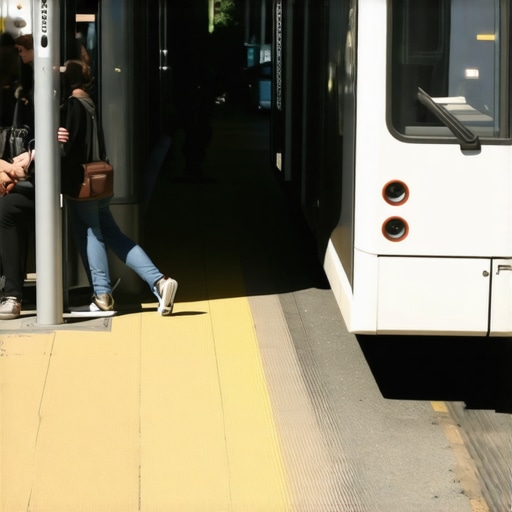
It was exactly 7:45 AM when I stood outside my apartment, watching my ride arrive ten minutes late—again. That familiar feeling of frustration washed over me. No matter how carefully I planned, my commute still started with the curbside chaos. One morning, it hit me: most transit delays aren’t actually happening during the ride, but right at that moment between the curb and the door. That lightbulb moment changed how I approach my entire travel routine.
Why Your Real Transit Hassle Begins Right Outside the Vehicle
Getting from point A to B isn’t just about the on-road part. Oh no—more often than not, the real delays kick off the moment you step into the pickup zone. Whether it’s traffic congestion, uncertain pickup locations, or last-minute driver route changes, these initial hiccups can be the biggest culprits behind tardy arrivals. After years of trial, error, and frustration, I’ve learned that paying attention to the very first moments of the journey can save you a lot of time and headache.
Believe it or not, studies indicate that nearly 40% of transit-related delays begin with curbside issues—think of it as the gateway to your entire trip. Proper planning and a few simple steps can turn this chaotic starting point into a smooth experience. If you’re tired of blaming traffic when you’re running late, you’re in the right place. Today, I will share proven strategies based on my own journey to help you minimize those curbside delays and arrive on time, every time.
And if you’ve ever faced the dilemma of that last-minute booking hiccup or the uncertainty of your pickup spot, don’t worry—I’ve been there too. My early mistakes, like relying solely on GPS without accounting for local congestion, taught me valuable lessons. Now, I want to arm you with the knowledge that could save you the stress and uncertainty.
Curious to learn how to turn those curbside moments into guaranteed on-time arrivals? Let’s dive into the real reasons why your transit delays start right outside the vehicle—and what you can do about it.
Schedule Your Reservation During Off-Peak Hours
Think of booking your ride like planting a seed—you want it to grow into a smooth journey without the weeds of traffic. I once reserved a driver for a 7:00 AM pickup on a Monday, deliberately choosing before rush hour. The result? My car arrived 10 minutes early, and I avoided the notorious city congestion. To replicate this, consult local traffic patterns and block your reservation during times of light traffic, which often means early mornings or late evenings. This simple step can drastically improve your punctuality.
Utilize Hourly Reservation Options to Control Timing
Instead of traditional point-to-point booking, opt for hourly reservations when available. This approach is like having your own chauffeur on standby, ready to adapt to your changing schedule. I once had back-to-back meetings in a city known for unpredictable traffic. By booking an hourly service, I gained flexibility and peace of mind, arriving punctually without relying solely on GPS predictions. To maximize this, check the service provider’s policy on hourly bookings and adapt your plan accordingly. For more insights on this, see this guide on reliable hourly reservations.
Confirm Your Reservation with a Secure Method
Verifying your booking is akin to double-checking your ticket before boarding—a safety net against miscommunication. Always confirm via a secure channel, such as a dedicated app or official confirmation email. An instance I recall involved receiving a double-booking accidental confirmation, which I spotted by cross-referencing the reservation details. To enhance security and ensure alignment, review the reservation security measures recommended by the industry.
Set a Precise Pickup Time with Buffer
When scheduling your ride, add a buffer of at least 15 minutes—think of it as giving your journey a safety cushion. During a snowy winter morning, I scheduled my reservation for 7:30 AM with a 15-minute buffer, accounting for slow traffic and road conditions. This small adjustment meant I arrived at my destination on time, despite the weather. Incorporate this practice by calculating average city travel times and adding extra minutes to your booking. For detailed strategies, visit this buffer time guideline.
Communicate Specifics Clearly to Your Driver
Effective communication is like giving your driver a detailed map—reducing guesswork and delays. When I booked a ride to a complex office building, I provided explicit instructions and landmarks, ensuring the driver knew exactly where to wait. This eliminated their need to circle the block, saving valuable minutes. Always confirm your pickup instructions, special needs, or parking preferences through the secure messaging channels. For comprehensive communication tips, see this guide on clear communication.
Leverage Real-Time Tracking and Alerts
Monitoring your driver’s progress in real-time transforms uncertainty into certainty—like having a live digital escort. I use the provider’s app to watch my vehicle approach, enabling me to prepare and adjust if needed. This approach is especially useful in unpredictable traffic conditions. To optimize tracking, ensure you use a reliable app that provides accurate data and set up alerts for driver arrival. Discover more about maximizing tracking precision at this resource on reservation timing.
Prepare Your Arrival Spot and Personal Details
When it’s your turn to disembark, having your parking spot or drop-off location ready is like laying out a red carpet—streamlining the transition. During a recent airport pickup, I pre-selected my exact parking zone and informed the driver through the app. It saved us both time and stress, especially during peak hours. Double-check any local rules about parking restrictions or vehicle access to avoid delays. For detailed tips on preparing your arrival, consult this guide on arrival preparedness.
Many assume that booking an hourly ride guarantees on-time arrivals and safety, but there’s a subtle trap that often goes unnoticed—over-relying on the system’s supposed reliability without understanding its nuances. Contrary to common belief, a reservation secured through popular apps isn’t infallible; in fact, without mindful precautions, it can lead to unexpected delays or compromised safety. One of the most overlooked pitfalls is neglecting to verify the driver’s credentials and the vehicle’s maintenance status after booking. Even with a confirmed reservation, external factors like driver familiarity with the area or recent route changes can impact punctuality. Professional drivers often use community-driven insights and local knowledge to navigate traffic better than GPS predictions suggest. Thus, trusting the system blindly, especially during peak hours or in unfamiliar locations, can be a costly mistake. Additionally, many travelers don’t realize that the safety protocols embedded within booking platforms vary significantly. Without understanding the security measures—such as encryption of personal data or background check standards—you may inadvertently expose yourself to risks. Therefore, it’s vital to not only book through reputable services but also to review security practices and verify driver credentials, especially when booking hourly services for critical appointments. To further elevate your experience, consider implementing extra safeguards like pre-arranging the driver’s identity verification and vehicle inspection details. These steps help ensure that your reservations are not just on paper but are backed by real, reliable safety measures. Moreover, sophisticated travelers ask: How can I optimize my booking to account for unpredictable traffic or last-minute changes? This question underscores the importance of proactive planning, such as adding buffer time and securing real-time tracking features—elements that go beyond basic booking confirmation. As highlighted by industry experts, understanding the distinction between system promises and actual safety implementations can make a decisive difference in your transit experience. Familiarize yourself with best practices by consulting trusted resources, like this comprehensive safety guide. Remember, the goal isn’t just punctuality but ensuring peace of mind during every ride. Have you ever fallen into this trap? Let me know in the comments.Maintaining your reservation system and tools is vital to ensure punctual and safe rides over the long term. One of my preferred methods is regularly updating and auditing my booking platform credentials, which I do monthly to prevent security lapses. This includes verifying the encryption protocols detailed in industry standards, such as those outlined in reservation security measures. I also leverage specialized scheduling software like FleetOps — I chose this because of its real-time tracking and automatic alerts, which significantly reduce the risk of missing or delayed pickups. These tools help me anticipate issues before they escalate, especially in complex city environments where traffic unpredictability is the norm. To keep everything running smoothly, I routinely back up my reservation data and settings, using encrypted drives to prevent data corruption or loss, which can be costly and cause unnecessary delays.
In terms of maintenance, I suggest establishing a strict vehicle inspection routine. This includes checking tire pressure, oil levels, and brakes based on manufacturer recommendations, such as those found in vehicle safety checklist. Consistent vehicle upkeep ensures safety while reducing unexpected breakdowns that could compromise your schedule. I also use maintenance alert apps like AutoCare. I find it invaluable because it syncs with my vehicle’s onboard diagnostics and sends customization alerts directly to my phone.
Predicting future trends, I believe the integration of AI-driven maintenance diagnostics and proactive scheduling will dominate. These systems will analyze vehicle data live, suggesting repairs before issues occur and automatically adjusting reservation times accordingly.
How do I maintain my reservation system over time? Start by setting a quarterly review schedule for your tools and vehicle health checks. Use diagnostic tools like this quick maintenance verification process to stay ahead of problems. Also, keep an eye on emerging software enhancements—many platforms now incorporate predictive analytics, which you can trial for free to see if they improve your reliability.
Don’t forget to regularly update your security and privacy settings, referencing privacy policies. These steps don’t just keep you secure—they ensure your long-term reservation effectiveness, peace of mind, and safety. For a practical challenge, try implementing scheduled vehicle checks integrated with your booking calendar this week, and see how much smoother your trips become.
The Hidden Lessons That Changed My Approach to Transit
One of the most eye-opening insights I gained was realizing that the biggest delays often occur before you even step into the vehicle. Staying mindful of curbside behavior, such as arriving early or verifying your driver’s details, transformed my punctuality. I also learned that trusting technology alone isn’t enough—manual verification and proactive communication are key to peace of mind.
Another lesson was that small adjustments, like adding a 15-minute buffer or choosing off-peak reservation times, can make a huge difference. These practices prevent the domino effect of delays and ensure a smoother journey. Over time, I noticed that these strategies not only improved my punctuality but also reduced the stress that often accompanies tight schedules.
Finally, I discovered that the safety of your reservation depends heavily on the tools and habits you build around it. Regularly updating credentials, verifying driver info, and using secure apps creates an ecosystem of trust that’s invaluable during busy hours or in unfamiliar environments.