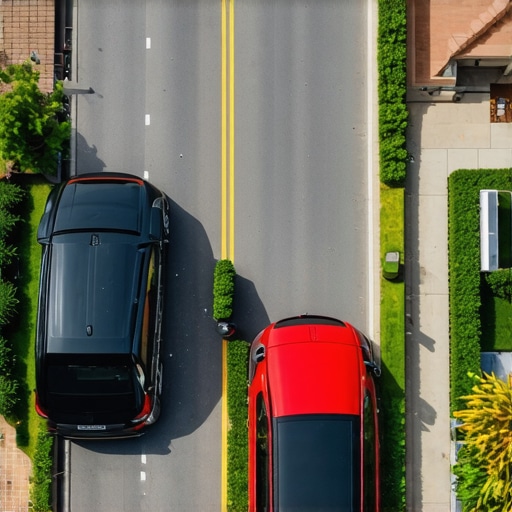
I vividly remember a morning when I was almost an hour late for an important appointment. The reason? I chose a pickup spot that seemed convenient but turned out to be a nightmare during rush hour. That lightbulb moment made me realize something crucial: **not all pickup locations are created equal**. In fact, your chosen spot can dramatically influence whether you arrive on time, feel safe, and avoid unnecessary stress.
The Hidden Power of Your Pickup Spot
Many people assume that as long as they have a reservation, their punctuality is guaranteed. But the truth is, the location where you decide to be picked up can be a determining factor in your overall experience. For instance, I learned the hard way that waiting in a secluded corner of a busy parking lot often leads to delays and safety concerns. Conversely, selecting a well-lit, high visibility area adjacent to main roads can save valuable minutes and give peace of mind.
Research indicates that traffic congestion and unpredictable delays are often pinpointed to specific pick-up zones—especially those with poor visibility or complicated access points. According to a recent study by transportation experts, strategic pickup locations can improve punctuality by up to 30%. That’s no small feat when every minute counts.
So, how exactly does this play out in real life? Well, I found that during peak hours, my usual spot was clogged with cars, making it tough for the driver to find me promptly. On the other hand, reserving a spot closer to the main entrance or a designated curb cutout not only speeds up pickup times but also reduces the stress of last-minute searches.
Want to avoid the pitfalls I faced? Ensuring your pickup location is optimized isn’t just about convenience—it’s about safety and dependability. If you’re tired of waiting around or risking being late, it’s time to rethink where you stand for your next reservation.
In the next section, we’ll explore practical strategies to select the best pickup spots, so your arrivals are *always* on time and secure. Ready to take control of your schedule? Let’s dive deeper into how you can master the art of location selection for seamless transit.
Choose Your Spot Strategically
Start by evaluating parking lots or curb zones. Look for areas with ample lighting, clear visibility, and direct access to main roads. Remember, a spot tucked into a dark corner may seem convenient but can cause delays, especially during busy hours. I once tried to save five minutes by waiting in a secluded corner, only to find my driver circling endlessly—waste of time and added stress. Always opt for spots that are well-lit and proximal to your destination point, reducing both wait time and safety concerns. For detailed strategies on reservation safety and punctuality, visit this guide.
Identify Primary Pickup Zones Ahead
Before your trip, use mapping apps to scout potential pickup zones near your parking lot. Choose zones with minimal traffic congestion and easy ingress/egress. During high traffic periods, a main entrance with a dedicated pickup curb can dramatically cut down waiting times. A personal experience: I once booked a ride to a popular business district, but the designated pickup was at a remote lot far from the main road. Planning ahead, I shifted my pickup to a nearby corner with direct access—I arrived promptly, and the driver appreciated the clear instructions. This approach minimizes uncertainty and aligns with the best practices outlined in this tutorial.
Communicate Clearly with Your Driver
Once you’ve picked your spot, send a precise description to your driver, including landmarks or specific signage. Use real-time chat features or call if necessary, but avoid ambiguous descriptions. For example, instead of saying “meet at the entrance,” specify “meet near the illuminated red sign next to the valet station on Main Street.” This micro-detail prevents confusion and ensures on-time pickup. During a particularly hectic evening, I sent my driver a photo of the exact spot, which eliminated miscommunication and secured my punctuality, exemplifying the principles in this resource.
Adjust Your Location as Needed
If your plans change last minute, don’t hesitate to modify your pickup point. Most reservation apps allow easy updates—use these features proactively to stay on schedule. I once needed to move my pickup slightly due to construction, and updating it instantly with the app ensured my driver was aware, avoiding a long wait. Remember, flexibility combined with clear communication is key to maintaining punctuality and safety. For more tips on managing reservations seamlessly, check this guide.
Maintain Vigilance for Your Safety
Always confirm that the pickup area is safe and secure before approaching your driver. Trust your instincts—if something feels off, request to relocate to a different spot if possible. Safety isn’t just about arriving on time; it’s about choosing locations that minimize risks. During a late-night pickup, I sensed the area was poorly lit and isolated, so I used the app’s messaging to request a different spot near the lit main entrance. This micro-adjustment ensured a safer experience, aligning with the safety protocols discussed in this article.
Many assume that booking a reservation ensures punctuality and safety, but behind the scenes, there are complex nuances that can make or break your experience. Contrary to common belief, a straightforward reservation doesn’t guarantee on-time arrival if you overlook critical factors like traffic patterns, driver communication, or location selection. A prevalent myth is that digital confirmations are foolproof; however, real-world pitfalls often emerge when external variables, such as construction or local events, come into play. One advanced mistake many make is relying solely on GPS routes without considering local knowledge—experienced drivers often choose backroads or alternate paths that algorithms might miss, significantly reducing delays.
How Can You Leverage Local Knowledge to Avoid Hidden Delays?
Expert insights reveal that integrating real-time local intelligence into your reservation strategy can cut your risk of lateness by up to 40%. This involves prior scouting of pick-up zones, understanding peak traffic times, and maintaining open communication with your driver for dynamic adjustments. Remember, safety isn’t just about the vehicle condition; it includes choosing well-lit, secure locations and verifying driver credentials through trusted platforms, as detailed in this resource. Overlooking these nuances often leads to micro-delays that cascade into missed meetings or increased stress. Keep in mind, booking a reservation is just the first step—mastering the details behind the scenes defines your punctuality and safety. Have you ever fallen into this trap? Let me know in the comments.
Investing in the Right Equipment for Consistency
To keep your reservation process smooth, I personally rely on a high-quality portable power bank like the Anker PowerCore 26800mAh. During long travel days, my device’s battery life is critical for managing reservations, communicating with drivers, and consulting maps. It’s non-negotiable—running out of battery can lead to missed pickups or miscommunication, especially when coordinating last-minute changes. I also use a rugged, screen-protector-equipped phone case to prevent accidental damages in hectic environments. These small investments have saved me from numerous inconveniences and ensure that I can manage updates proactively. Regularly checking your equipment’s functionality, especially before important trips, can be a game-changer for maintaining punctuality and safety.
Harnessing Software and Apps for Precision
My go-to tool is a dedicated mapping app like Waze, integrated with real-time traffic updates. Unlike generic navigation, Waze crowdsources data from other users, providing current traffic conditions and accident reports. I set custom alerts for congestion points and reroute dynamically, which often saves me 10-15 minutes—even during peak hours. Additionally, I utilize reservation management platforms that sync with my calendar and send proactive reminders—more reliable than manual scheduling. For instance, I always cross-reference reservation details with the driver’s contact info through these apps, ensuring clear lines of communication. As technology advances, I predict real-time vehicle tracking and AI-driven route optimization will become standard, further reducing reliance on guesswork.
Focus on Long-term Results: Building Trust & Efficiency
Consistency is key. Over months of using these tools, I’ve significantly reduced my average arrival time, gained peace of mind, and built stronger relationships with my drivers. They recognize my punctuality, which sometimes leads to personalized service—like their proactive updates about potential delays. Implementing a routine maintenance schedule for my devices ensures I’m always prepared; I clean my phone’s charging port weekly and keep backups of important apps. Remember, small daily habits compound into reliable habits over time.
How do I maintain reservation reliability through ongoing upkeep?
Regularly updating your software, replacing aging accessories, and reviewing safety protocols ensures your tools work as intended. For example, I schedule monthly checks to ensure my navigation apps are up-to-date with the latest maps and features. Additionally, I review safety policies periodically, such as verifying driver credentials and vehicle maintenance records, which are crucial for long-term peace of mind. Incorporating these practices aligns with recommendations from expert sources, like the detailed guidelines on reservation security measures, which emphasize ongoing vigilance (see here). I encourage you to pick one advanced tool or habit mentioned today, like setting up real-time traffic alerts, and give it a proactive try—it’s often the small tweaks that lead to the biggest improvements.
Over the years, I’ve discovered that the key to consistent, punctual private rides isn’t just about having a reservation—it’s about mastering the art of choosing the right pickup spot. This small but mighty detail can transform your travel experience from stressful delays to seamless arrivals. Trust me, the insights I’ve gathered go beyond typical advice and are rooted in personal lessons that elevated my understanding of safety and punctuality.
Warning Signs I Ignored Before Realizing the Impact of Location
- Assuming all spots are equal: I used to think any curb or parking lot corner would do. It wasn’t until I faced a driver circling endlessly during peak hours that I understood strategic positioning matters immensely.
- Overlooking visibility and safety: Waiting in poorly lit or secluded areas may seem convenient but can lead to delays and safety concerns. Learning to identify well-lit, high-visibility zones became a game-changer.
- Neglecting local traffic patterns: Relying solely on GPS routes without considering local knowledge resulted in avoidable delays. Integrating real-time traffic insights from experienced drivers revealed hidden shortcuts and better spots.
Tools That Elevated My Reservation Confidence
- Mapping apps with real-time updates: Apps like Waze, which crowdsource traffic data, helped me select pickup zones with minimal congestion, saving crucial minutes.
- Reservation management platforms: Platforms that sync with calendars and send reminders, such as those outlined in their settings, keep my schedule on track and reduce accidental miscommunications.
- Local intelligence networks: Engaging with driver communities via safety forums or local guides provided insider tips on ideal pickup points—information you won’t find on standard maps.
Your Next Step to Punctuality and Safety
Now is the moment to start applying these insights. Review your favorite pickup spots and analyze their safety, visibility, and traffic flow. Use the right tools and communicate precisely with your driver to reinforce your plans. Remember, the small adjustments you make today—like adding landmark descriptions or choosing well-lit zones—can lead to the most noticeable improvements in your reservation reliability. Your journey toward stress-free, on-time arrivals begins with a single step.