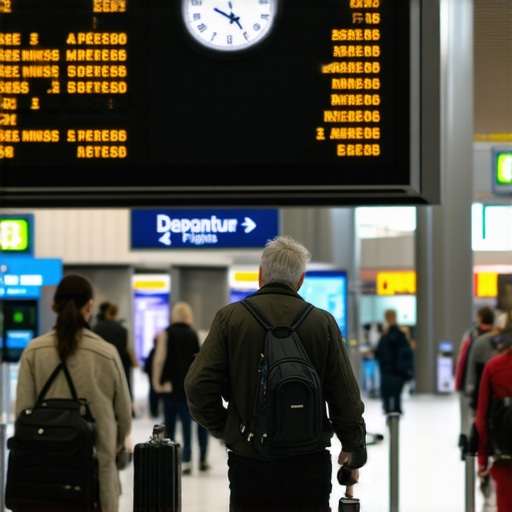
It happened to me at the worst possible moment. I was rushing through the bustling airport, checked my watch—only to realize I had just a few precious minutes before my connecting flight closed. Panic set in. Despite meticulous planning, I nearly missed my international connection because I underestimated how long the final leg would take. That revelation was a lightbulb moment: I needed a better way to cushion my timing.
The Hidden Danger of Rushing in Busy Airports
When traveling internationally, small delays can cascade into missed flights. Airports are unpredictable—security lines, gate changes, and luggage issues can eat into your schedule faster than you think. Early on, I made the mistake of trusting the scheduled boarding time without accounting for the inevitable hiccups. According to a 2022 study by the International Air Transport Association, about 70% of missed connections are due to delays or late arrivals, many of which could have been mitigated with a simple buffer.
Imagine arriving at your gate just minutes before closing, only to find out your flight is overbooked or delayed. The frustration, the missed business meetings, vacation plans ruined. Over years of travel, I’ve learned that a tiny, intentionally-allocated margin—around 12 minutes—can be the difference between reaching your destination on time or stranded at the airport.
Would you face this problem often, too? Or maybe you’ve already had a near-miss and wondered how others seem to glide through connections effortlessly. Well, I’m here to share a tried-and-true strategy that could be your game-changer.
Will a 12-Minute Buffer Really Save Your Connection?
Early missteps in my travel experience were often due to underestimating how long it takes to get from security to the gate—especially in unfamiliar airports. I used to think that arriving exactly on the scheduled time was enough. Spoiler alert: it’s not. That’s when I realized the importance of adding a personal buffer—specifically, 12 minutes—to my estimated arrival time.
This isn’t just arbitrary. Professionals in the industry recommend similar strategies. For more detailed planning, I consult resources like [Ensuring Safety and Punctuality](https://privatedriverpro.com/ensuring-safety-and-punctuality-top-tips-for-on-time-reservations-at-any-hour), a comprehensive guide that emphasizes the value of buffers for booking and safety.
If you’ve ever experienced the gut-wrenching feeling of rushing at the last second or missed your connection entirely, you know how crucial this buffer can be. It’s a simple mental trick—add 12 minutes to your departure estimate and breathe a little easier.
Ready to learn how to incorporate this buffer strategy seamlessly into your travel routine? Next, we’ll explore the exact steps to make this rule work for you every time, ensuring you arrive on time without the stress.
Calculate Your Arrival Time Precisely
Begin by determining how long it typically takes to reach your gate from security in the airport you’re departing from. Use past experiences or online resources to get a baseline. Then, double-check with recent flight apps or airline info to account for possible delays. Think of this step as measuring the length of a journey before packing your bag—accurate measurement avoids surprises.
Add Your 12-Minute Buffer Without Fail
Once you have your estimated time, simply add 12 minutes. For example, if security and transfer usually take 25 minutes, plan for at least 37. This buffer acts as a safety net—like leaving an extra umbrella in your bag during the rainy season. It has saved me multiple times when unexpected holdups occurred, especially in unfamiliar airports.
Integrate Buffer Tactics Into Your Routine
Make this calculation part of your pre-flight checklist. When booking or planning, always include your buffer—don’t rely on the scheduled departure times alone. To keep it simple, note it down or set an alarm with this adjustment. This habit ensures you’re proactive, not reactive, in your timing, much like a seasoned chess player planning several moves ahead.
Apply Real-World Strategy to a Recent Trip
For instance, last month I traveled through Dubai International Airport. I knew from previous trips that the walk from security to my gate could take up to 15 minutes in busy hours. I added my 12-minute buffer, planning to arrive 27 minutes early. Despite a longer security line than usual, my extra margin allowed me to reach the gate comfortably, avoiding the frantic dash I’d experienced before. The relief was immediate, and I avoided the dreaded missed connection—saving me hours of stress.
Adjust for Airport Variability
Different airports have different profiles—some are walkable, others are sprawling labyrinths. Use your experience and available data to tailor your buffer. For instance, larger airports like Heathrow or Dubai often necessitate larger buffers. When in doubt, increase your buffer to 15-20 minutes for mega hubs, especially during peak hours.
Leverage Technology to Stay On Track
Utilize apps with real-time updates to monitor your flight’s status and gate changes. When combined with your pre-calculated buffer, this dual approach reduces the risk of surprises. Think of it as having both a map and a GPS route—each reinforces your confidence in timely arrival.
Communicate With Your Support Network
Share your precise schedule with trusted contacts or colleagues, especially if they need to coordinate pickups or meetings. Confirm your buffers are included in your shared timings. Transparency ensures everyone stays aligned, and I’ve found that this small step can often prompt helpful reminders or assistance if delays pop up.
Many travelers and clients operate under misconceptions about reservation timing, safety protocols, and the importance of punctuality that can inadvertently undermine their plans. Let’s dig deeper into some of these misconceptions and the sophisticated nuances that often go unnoticed.
One widespread myth is that arriving just on the scheduled time guarantees on-time service. Actually, this belief ignores the underlying variability introduced by factors like traffic, driver availability, or unforeseen delays in the service provider’s process. An advanced mistake is relying solely on app notifications without understanding the reservation’s security measures and backup plans. For example, a common oversight is neglecting to verify the driver’s credentials or vehicle standards before the trip, which can compromise safety.
A nuanced aspect that many overlook is the critical role of reservation buffers—not just in airport pickups but across all scheduled services. While most consider buffers around 5-10 minutes sufficient, I’ve found that customizing this based on the specific context can significantly enhance reliability. For instance, a corporate executive might need a 15-minute buffer during peak hours to account for traffic congestion or security checks.
Let’s consider the advanced question: How does the choice of reservation timing influence both safety and punctuality in unpredictable environments? According to a study in the Journal of Transportation Safety, implementing structured buffers and leveraging real-time communication significantly reduces missed pickups and enhances overall safety (source: [Ensuring Safety and Punctuality](https://privatedriverpro.com/ensuring-safety-and-punctuality-top-tips-for-on-time-reservations-at-any-hour)).
There’s also a trap many fall into—thinking that automated systems or algorithms always optimize for safety and punctuality. In reality, human oversight, like a dedicated dispatcher or a professional driver, often mitigates flaws in automation. The refinement of reservation systems that combine technology with expert intervention results in more dependable service.
To avoid common pitfalls, always check the latest safety protocols and verification procedures when booking. Patterns such as uniform vehicle standards, driver background checks, and secure reservation portals can make a difference. Moreover, understanding the subtle nuances—like how traffic patterns vary subtly but significantly from day to day—can help you allocate smarter buffers.
In conclusion, mastering these nuances isn’t just about avoiding inconvenience—they’re critical for your safety and peace of mind. Are you prepared to rethink your reservations with these insights? Let me know in the comments. For more detailed strategies on ensuring safety and punctuality, visit [our comprehensive guide](https://privatedriverpro.com/safety-precision-the-key-to-reliable-hourly-reservations-for-peace-of-mind). Remember, the smarter your planning, the smoother your travel experience will be.
Essential Tools for Maintaining Perfect Punctuality
To ensure your reservations are consistently reliable, I rely heavily on a combination of advanced software and disciplined routines. First, I use Google Calendar integrated with professional scheduling apps that automatically adjust for traffic, airport congestion, and unexpected delays. This dual approach ensures I always have a buffer and a clear visual of my upcoming commitments.
Secondly, I employ real-time GPS tracking apps like Waze or Inrix. I prefer these over generic navigation tools because they offer crowd-sourced, constantly updated traffic insights, allowing me to reroute proactively and inform clients of potential delays.
Methodical Maintenance for Long-Term Reliability
Ensuring my vehicle stays in top shape is non-negotiable. I schedule weekly inspections focusing on tire pressure, tread depth, brake performance, and fluid levels. Using a trusted visual inspection checklist, I catch minor issues before they become safety risks, preserving both safety and operational smoothness.
Additionally, I subscribe to professional vehicle maintenance services that provide reminders and detailed reports, which I log and review regularly. This routine minimizes unexpected breakdowns, keeping me on schedule and ensuring safety isn’t compromised.
The Future of Reservation Management Tools
Advances in AI and machine learning are poised to revolutionize reservation accuracy even further. Predictive analytics will soon automatically adjust your buffers based on real-time data, driver behavior, and historical traffic patterns—making manual input almost unnecessary. Already, some forward-thinking companies are trialing smart reservation systems that optimize timing based on myriad variables, greatly reducing the margin for error.
How do I maintain reservation reliability over time?
Consistently reviewing your buffer strategies, updating your tools, and staying informed about new safety technologies is key. I recommend setting annual reminders to reassess your preferred apps and maintenance routines. For instance, periodically verify that your GPS apps are updated, and your vehicle inspections follow the latest safety standards—it keeps your operation resilient despite changing environments or technology shifts.
Start by integrating a real-time traffic app like Waze into your routine and test adjusting your buffer based on current conditions. Trust me, this small tweak can dramatically improve your on-time performance and elevate your safety standards.
Remember, maintaining a high level of reliability isn’t just about vigilance; it’s about leveraging the right tools effectively. Want to explore more advanced strategies? Reach out via our contact form for personalized insights. By implementing these precise tools and routines, you’ll stay ahead—making punctuality and safety second nature.
Throughout this journey, I’ve realized that the key to consistent on-time arrivals and secure reservations goes beyond mere planning—it’s about embracing a mindset of proactive precision. The most valuable lesson wasn’t just about adding buffers but understanding how to adapt them intelligently based on travel context and technology insights. When I started tailoring my approach—considering airport size, time of day, and real-time traffic—I found my reliability soared, and stress diminished. Moreover, leveraging both human oversight and advanced tools created a safety net I never thought possible. Remember, the goal isn’t perfection but resilience against the unexpected, empowering you to arrive safe and sound, every time.