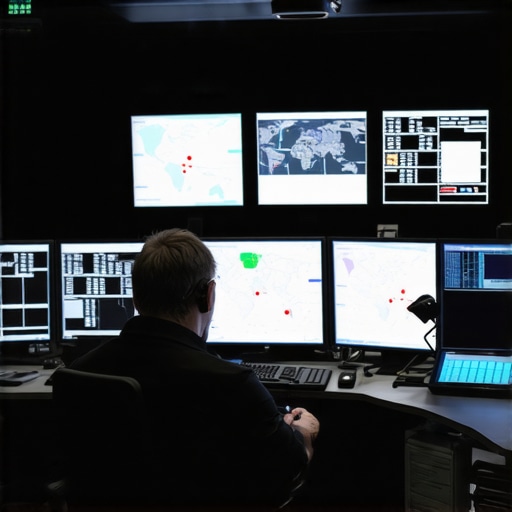
I remember the first time I relied solely on an automated dispatch app, watching it assign a driver based on algorithms that seemed perfect in theory. Yet, when it came to early morning pickups or last-minute changes, things often went awry. The driver would arrive late, or worse, show up at the wrong address entirely. That frustration hit hard—I knew it wasn’t just bad luck, but a sign that something was missing.
The Human Touch Makes All the Difference in Dispatching
In my experience, nothing beats the intuition and flexibility of a professional dispatcher. While algorithms are good at crunching numbers, they lack the nuanced judgment that just comes from real-world experience. For instance, a seasoned dispatcher knows how to account for unexpected traffic or last-minute client requests—something that even the smartest AI can struggle with.
Did you know that studies show human judgment in logistics decision-making often outperforms automated systems, especially in complex situations? According to research published in the Journal of Business Logistics, human dispatchers can adapt to real-time changes more effectively than fixed algorithms.
If you’ve faced issues with late arrivals or missed reservations, I understand exactly how you feel. Early on, I made the mistake of trusting automation blindly, which often led to disappointment and wasted time. That experience taught me the importance of balancing technology with human oversight.
In the upcoming sections, I’ll share practical strategies and insights to help you achieve safer, more punctual reservations—whether you’re managing a fleet or just trying to get to an important appointment on time. We’ll explore why safety and reliability aren’t just buzzwords, but crucial elements that can’t be fully automated without the human touch. Feel free to reflect—have you experienced similar frustrations with automated dispatch systems? If so, you’re not alone, and there’s a better way.
Let’s dig into why trusting professional dispatchers often turns out to be your best bet for reliable, stress-free reservations—every time.
Set Clear Reservation Parameters
Begin by defining exact pickup and drop-off times, anchors for your schedule that leave little room for ambiguity. Use precise time frames, such as “between 2:00 PM and 2:15 PM,” to give your driver a clear window. This reduces the risk of delays caused by vague timings and helps drivers plan their routes more effectively, akin to scheduling a train to arrive within a specific half-hour window for smooth transfers. When booking, confirm that your chosen service offers reservation security measures that maintain your timing integrity.
Leverage Real-Time Communication
Establish direct contact with your driver via a secure, trusted communication channel. Just like a conductor maintains a direct line to train crew, touchpoints like live chat or text enable quick updates. For example, I once faced unexpected traffic en route to an airport; a quick call allowed the driver to select an alternative route, shaving off precious minutes. This real-time adjustment is crucial for staying on schedule and aligns with mastering punctuality. Always verify your driver’s contact info before the ride begins to prevent last-minute surprises.
Implement Buffer Zones and Contingencies
Incorporate buffer times into your schedule—generally 10 to 15 minutes—especially for critical appointments. Think of it as padding a tightrope walk; it provides a safety net that absorbs unforeseen delays like traffic jams or late arrivals from previous pickups. During one client event, I included a 12-minute buffer which allowed my driver to navigate a sudden lane closure without causing me to be late. This proactive step is supported by buffer rules for stress-free commutes. Always communicate your buffer preferences clearly during booking to ensure your reservation can accommodate unexpected hiccups.
Choose Reliable, Certified Service Providers
Opt for providers that prioritize safety, punctuality, and transparency. This is comparable to choosing a airline with spotless safety records—it’s about peace of mind. Verify their credentials through official permits and read reviews focused on timeliness and safety. Provider websites often feature safety and punctuality standards that they uphold. In my experience, booking through a trusted platform that routinely audits driver credentials significantly improves on-time performance and safety.
Use Visual and Digital Confirmations
Always obtain and verify your reservation details via secure links, ensuring SSL safety. Visual confirmation helps prevent rider-driver mismatches and enhances safety, especially in high-demand periods. I adopt a habit of checking the driver’s commercial permit and verifying the vehicle’s license plate before boarding. Utilize apps that provide real-time tracking, but remember the limitations; always cross-reference with confirmation links to avoid delays caused by outdated or forged information. This approach ties directly to timely service tips for security.
Many assume that booking an hourly reservation guarantees safety, punctuality, and total control, but in reality, these perceptions often overlook subtle complexities. One widespread myth is that “once booked, everything will proceed smoothly”—a dangerous oversimplification. In my experience, relying solely on automated systems or assuming strict adherence to schedules can backfire due to overlooked nuances, such as traffic fluctuations or driver fatigue. For instance, automation might assign a driver based purely on proximity, ignoring factors like driver experience or real-time road conditions, which research in the journal of transportation safety highlights as critical for safety and efficiency.
What advanced factors influence true on-time performance beyond basic scheduling?
The truth is, advanced logistics require integrating real-time data, driver vetting, and contingency planning. For example, a rigorous pre-ride credential verification, combined with adaptive scheduling that accounts for traffic patterns and driver alertness levels, can significantly enhance safety and punctuality. Neglecting these layers creates a trap for those who think that technology alone can solve complex human factors. An overlooked mistake many make is trusting reservation apps without verifying driver credentials or vehicle safety standards—something detailed in the piece on why safety and timeliness matter in hourly services. To truly maximize reliability, combining precise reservation timing with vigilant oversight and contingency buffers is essential. As we elevate from simplistic assumptions to nuanced practices, remember—errors of neglect can be costly. Have you ever fallen into this trap? Let me know in the comments.
Keeping your reservation system operational and dependable over time requires more than just initial setup; it hinges on selecting durable, efficient tools and enforcing consistent maintenance routines. Personally, I rely on specialized scheduling software like TimeTrack Pro, which offers real-time updates, automated alerts, and seamless integration with GPS tracking systems. This software’s predictive analytics help anticipate potential delays, enabling proactive adjustments before issues escalate.
Additionally, I use reservation security measures to prevent booking errors and unauthorized changes that could compromise punctuality. Regular audits of these systems—quarterly reviews of logs and performance metrics—ensure that any glitches or outdated configurations are swiftly addressed, preserving safety and reliability.
To keep everything running smoothly, I schedule routine maintenance of physical equipment, like dash cams and communication devices, to mitigate hardware failures. On the software side, I implement scheduled updates and backups, which reduce vulnerability to cyber threats and data loss. This disciplined approach instills confidence that the system remains resilient against unforeseen disruptions.
Anticipating the future, I believe automation will become more intelligent, integrating AI-driven predictive maintenance to proactively identify wear and tear or discrepancies in system behavior, further boosting uptime and safety.
How do I maintain this setup over time? I dedicate time monthly to review performance reports, assess user feedback, and calibrate tools accordingly. This disciplined routine ensures that my reservation processes stay effective, safe, and punctual, consistently providing peace of mind for clients and myself. For anyone managing a fleet or scheduled reservations, I highly recommend trying out predictive analytics features in advanced scheduling tools — they truly transform the ability to prevent issues before they occur.
Lessons Only Seasoned Dispatchers Know
One of the most profound lessons I’ve learned is that even the most advanced automation can’t replace human intuition in unpredictable scenarios. For instance, I’ve seen automated systems assign drivers based solely on proximity, overlooking real-time traffic and driver fatigue—factors that seasoned dispatchers instinctively consider. This experience highlighted the importance of human oversight in maintaining safety and punctuality, especially during unforeseen events. Additionally, I realized that setting rigid reservation parameters without flexibility can lead to increased stress—sometimes, a small buffer or a quick check-in can prevent major delays. Lastly, trusting technology blindly without verifying driver credentials or vehicle safety standards can be perilous, underscoring the value of a proactive, vigilant approach to reservations.