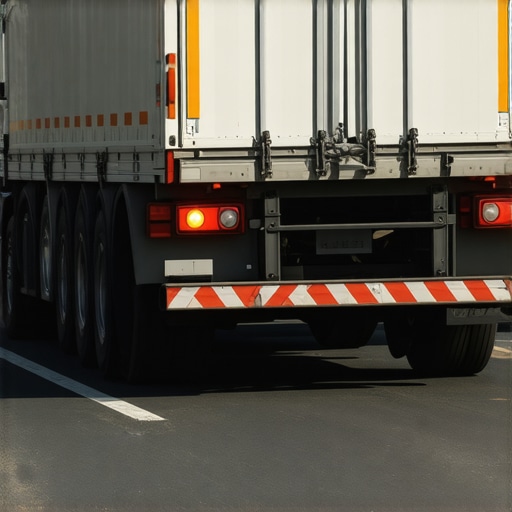
I remember the moment clearly. I was waiting roadside for a scheduled pick-up when suddenly, a commercial vehicle pulled in. But something about it didn’t sit right—the crooked bumper, flickering lights, and worn-out tires. Instantly, a wave of unease washed over me. That quick glance was a lightbulb moment. If I hadn’t noticed those subtle signs, I might have been inadvertently putting myself in harm’s way.
In my years of navigating high-stakes transportation, I’ve learned that the devil is often in the details. Many accidents involving commercial vehicles could be prevented if we just knew what red flags to look for. Today, I’m going to share with you the visual cues that indicate an unsafe vehicle—things that can save you from potential danger and costly surprises.
Why Recognizing Red Flags Can Save Your Life and Your Schedule
Understanding what to look for in a commercial vehicle isn’t just about safety; it’s also about maintaining your peace of mind and punctuality. When a vehicle shows signs of neglect or poor maintenance, it might break down unexpectedly, causing delays, missed appointments, or worse—accidents. Moreover, being able to identify these cues empowers you to choose safer, more reliable transportation options.
Early on, I made the mistake of ignoring some obvious signs, believing that all commercial vehicles were maintained to standard. That led to a stressful last-minute scramble when a vehicle broke down en route. Learning from that experience, I discovered that vigilance isn’t just recommended; it’s essential. For instance, a quick visual inspection of the vehicle’s condition can reveal whether it’s fit for the road or a ticking time bomb.
If you’re wondering how to sharpen your eye for these red flags, keep reading. We’ll cover practical tips and telltale signs that often accompany unsafe commercial vehicles. And if you’ve ever faced this challenge, I’d love to hear your story—drop a comment below!
Is It Worth the Hassle to Check the Vehicle Out?
Absolutely. Many overlook the importance of a simple visual inspection, only to regret it when mishaps occur. Doing a quick check can prevent a lot of headaches—and potentially dangerous situations. To get started, I recommend learning to identify key signs of neglect or poor maintenance. Curious about what those signs are? You can find detailed insights elsewhere, but I’ll give you a sneak peek now.
Remember, your safety depends on your awareness. I once missed a critical sign—a cracked windshield—that later led to a minor incident. Since then, I’ve adopted a more cautious approach. Want to improve your awareness skills? You might find this guide on [ensuring safety first](https://privatedriverpro.com/ensuring-safety-first-your-guide-to-on-time-reservations-at-any-hour) helpful.
Now, let me walk you through the specific red flags that are often overlooked but can signal imminent trouble. Recognizing these can truly make the difference between a safe journey and an avoidable disaster.
Spotting Safety Flaws Before They Turn Dangerous
First, always look at the vehicle’s overall condition. Check for obvious issues like broken lights, mismatched tires, or fluid leaks. During a personal experience, I once quickly noticed a vehicle with front-end misalignment and immediately decided against boarding, which prevented a potential breakdown. This immediate visual check can be as quick as a 30-second scan but is critical for avoiding delays caused by vehicle failure.
Inspect Key Components That Signal Maintenance
Focus on tire wear, brake lights, windshield condition, and mirror clarity. For example, I once spotted a cracked windshield that most travelers overlook. When I reported it, the company replaced the vehicle before my scheduled trip, ensuring I arrived on time without hiccups. To make this efficient, think of these checks as a driver’s version of a pre-flight checklist — quick but thorough. For detailed tips on this, see safety tendencies of professional drivers.
Identify Signs of Neglect or Overuse
Look for signs like uneven tire tread, excessive dirt, or stains on the vehicle. These can indicate worn parts or neglected maintenance. I recall an instance where I noticed excessive dirt and a faint burnt smell from the exhaust. I inquired with the driver, who confirmed that the vehicle was overdue for service. Instead of risking a breakdown, I requested a different car, ensuring my schedule remained intact. Think of it as noticing the wear on a bicycle before a long ride—minor signs can predict bigger issues. To enhance your skills, review tips for morning commute readiness.
Verify Driver Credentials and Vehicle Documentation
When possible, ask to see the driver’s license and vehicle registration. A professional driver will willingly display this information. I’ve found that verifying the plate number against the booking confirmation can prevent impersonation scares. Remember, in high-stakes environments, a quick visual verification is your first line of defense—think of it as a handshake that confirms who’s really behind the wheel. For step-by-step guidance, see private driver verification methods.
Leverage Technology for Enhanced Surveillance
Use photo checks before entering the vehicle—snap a quick picture of the license plate and vehicle exterior to compare with app information. During a recent trip, I took a moment to verify the plate number matched the booking, preventing a potential mix-up with a similar vehicle nearby. Incorporating simple tech habits into your routine can prevent misunderstandings and ensure safety, especially when multiple vehicles operate in close quarters. For more tips on digital verification, visit security benefits of verified drivers.
Many assume that booking an hourly reservation guarantees punctuality and safety without additional precautions. However, this mindset overlooks the nuanced realities of high-stakes scheduling. Relying solely on the reservation system and ignoring the importance of a comprehensive safety protocol can lead to unexpected delays or even dangerous situations. For instance, some travelers believe that once a driver is assigned, the risk of late arrival vanishes, but in reality, factors like traffic, vehicle condition, and driver alertness play critical roles that are often underestimated. A study published by the National Transportation Safety Board emphasizes that proactive safety measures, such as verifying vehicle maintenance and driver credentials, significantly reduce accident risks, especially in complex, time-sensitive scenarios.
Another common myth is that technology alone ensures on-time arrivals. While GPS tracking and real-time updates are helpful, they are only tools—without human oversight and contingency planning, they can give a false sense of security. Overlooking these Tacit nuances can result in missed meetings, increased stress, and compromised safety.
A key trap to avoid in hourly reservations involves the assumption that peak traffic hours or last-minute changes won’t affect your schedule. This can be a costly oversight. Instead, understanding the strategic importance of buffer times—such as the 17-minute rule—can make the difference between punctuality and disappointment. For detailed insights on how to incorporate these best practices, review this comprehensive guide to on-time arrivals.
Digging deeper, advanced travelers know that formal verification of driver credentials and vehicle information isn’t just bureaucratic busywork—it’s a critical step in preventing impersonation and ensuring safety. Professional drivers often possess certifications and respect dedicated safety protocols, which casual or unverified operators might neglect. Recognizing these signals—like official badges or registration documents—requires a trained eye but proves invaluable.
In summary, the hidden nuance most overlook is that hourly reservations demand meticulous attention beyond initial booking. Success hinges on proactive safety checks, understanding traffic patterns, and leveraging technology wisely. Have you ever fallen into this trap? Let me know in the comments.
Choosing the Right Equipment for Long-Term Reliability
To ensure your transportation remains seamless over time, I rely heavily on a combination of high-quality hardware and smart software solutions. First, investing in a rugged dash cam like the Garmin Dash Cam 67w has been a game-changer. The clarity and real-time recording capabilities offer undeniable proof in case of disputes or incidents, and its loop recording ensures I never run out of storage during busy days.
Additionally, I swear by portable tire pressure gauges such as the Accutire MS-4021. Maintaining optimal tire pressure isn’t just about fuel efficiency; it’s critical for safety and preventing breakdowns—saving me from costly delays and ensuring on-time arrivals.
Leveraging Technology for Safety and Punctuality
My workflow wouldn’t be complete without the use of advanced reservation and tracking platforms like PrivateDriverPro. Their precise reservation timing feature allows me to coordinate efficiently, avoid last-minute surprises, and track my vehicle in real-time, ensuring that I stay on schedule even amidst unpredictable traffic.
Furthermore, integrating GPS applications like Waze, combined with dynamic routing updates, ensures that I always choose the fastest route. This combination has cut down my travel times substantially and enhanced my ability to keep appointments, no matter the hour.
Developing a Maintenance Routine That Lasts
Maintaining safety and reliability isn’t a one-off task—it’s a continuous process. I set weekly checks on key components: inspecting fluid levels, tire tread, and brake function. A practical tip is to keep a maintenance logbook, similar to what professional fleets use, to track repairs, mileage, and service dates. This habit helps identify patterns before small issues turn into costly repairs or delays.
Brands like Bosch and Snap-on offer tools that make diagnostic checks straightforward. For example, a simple OBD-II scanner can reveal engine issues long before warning lights come on—saving time and preventing breakdowns that could mess up tight schedules. Essentially, investing time in preventive maintenance translates directly into long-term savings and peace of mind.
Future Trends in Maintenance and Safety Tools
Looking ahead, I predict that AI-powered diagnostics and predictive maintenance will become standard even for smaller operators. Such systems analyze usage data to forecast failures, allowing proactive interventions. Already, some platforms integrate with telematics to automatically schedule repairs based on real-time data insights, a trend that I believe will dominate the industry soon.
How do I maintain tools and systems over time?
Regular updates are key. I schedule quarterly software upgrades for my reservation platforms and calibration checks for my diagnostic tools. Keeping hardware firmware current ensures compatibility with new features and security patches, like those detailed in industry best practices. Additionally, subscribing to vendor updates and attending relevant training webinars helps me stay ahead in a rapidly evolving space.
Finally, I recommend dedicating a few minutes weekly to review performance metrics and maintenance logs. This disciplined approach helps catch potential issues early and keeps everything running smoothly, ensuring reliability and safety for the long haul. For advanced strategies, consider experimenting with predictive analytics tools—they can really tip the scales in your favor.
Lessons That Turn Whoops into Wins
One of the toughest realizations I’ve had in this journey is that even seasoned professionals can overlook small details, which sometimes lead to big problems. My early days involved trusting vehicle appearances and driver smiles—until a crack in the mirror signaled a deeper issue. That moment taught me that the smallest red flag, like worn-out tires or loose seat belts, are often warnings of neglected maintenance or overuse. Embracing this eye for detail has saved me from countless delays and safety risks, proving that in high-stakes transportation, being vigilant isn’t optional—it’s essential.
Another lesson was the importance of verifying driver credentials personally, even when dealing with trusted booking platforms. It’s easy to assume that everything is foolproof, but in reality, a quick glance at license badges or vehicle registration can prevent impersonation and ensure your safety. This proactive approach might feel like an inconvenience at first, but it’s become second nature—a small step with a massive payoff in peace of mind.
Lastly, I learned that technology is a helpful ally, but it can’t replace good old-fashioned observation. Using real-time tracking tools and taking photos of vehicles are practical habits that reinforce safety protocols. Pairing these with your intuition creates a robust safety net that keeps surprises at bay, especially during tight schedules or late-night rides. Remember, sharp eyes and smart routines are your best tools to ensure safety, punctuality, and a smooth journey every time.
My Essential Arsenal for Safe and Reliable Rides
Over the years, I’ve curated a set of tools that make my operations both efficient and secure. The Garmin Dash Cam 67w stands out as a game-changer for its clarity and automatic recording features—having visual proof in case of disputes or mishaps offers tremendous peace of mind. I trust it because it’s reliable and easy to use, turning complex situations into simple validations.
Keeping your vehicle in top shape requires the right diagnostics tools. My go-to is the Bosch OBD-II scanner—it helps me catch engine issues early, preventing breakdowns that could disrupt my schedule. I also swear by portable tire gauges like the Accutire MS-4021, which ensures tires are always at optimal pressure—a small check that saves a lot of headaches.
Digital reservation platforms like PrivateDriverPro help coordinate timing precisely, while real-time GPS apps such as Waze optimize routes dynamically. Combining these tools allows me to stay ahead of traffic and surprises, ensuring punctuality and safety—every single time. If you’re serious about dependability, investing in these technologies is a no-brainer.
Finally, ongoing maintenance routines—weekly inspections, detailed logs, and staying updated with industry advancements—keep my fleet ready for any challenge. As AI-driven diagnostics become more mainstream, I believe adopting predictive maintenance will become the new standard, further shrinking the risk of delays and accidents. The key is consistent care and embracing change to stay one step ahead.
What Secrets Do the Pros Keep Quiet?
Early in my career, I underestimated the power of small habits—like quickly verifying the vehicle’s exterior or maintaining a detailed upkeep schedule. Those moments taught me that excellence isn’t accidental but crafted through mindful routines. For instance, the realization that a cracked tail light could delay or compromise safety prompted me to always do a quick visual check before boarding, no matter how rushed I am. It’s these micro-decisions that accumulate into a fortress of safety and reliability.
If you want to elevate your game, start by adopting simple habits like taking a quick photo of the license plate or using a checklist for vehicle inspections. These small actions, performed consistently, make a huge difference. Expertise is often just a collection of diligent practices—so what’s your next step toward mastery? Share your thoughts or challenges below, and let’s uplift each other.