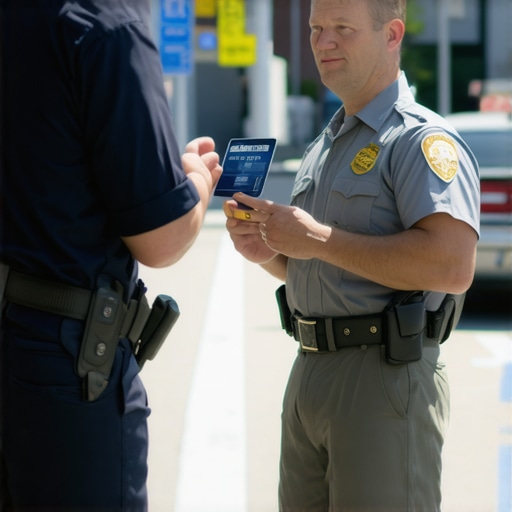
Ever been in that awkward moment, wondering if the person behind the wheel is truly who they say they are — and feeling a twinge of guilt for even having that thought? I used to find myself hesitating at the curb, caught between trust and suspicion, worried about offending someone but anxious about safety and verification. That lightbulb moment hit me hard when I realized there’s a way to verify your driver’s identity smoothly, without coming across as rude or paranoid. It’s all about finesse and a few smart strategies I want to share today.
The Hidden Challenge of Verifying Drivers Without Ruffling Feathers
Most of us value politeness, but when it comes to safety, how do you strike that delicate balance? The last thing you want is to seem suspicious or offend someone just for doing your due diligence. If you’ve ever found yourself sizing up a driver from a distance or hesitating before getting in, you’re not alone. In fact, according to a study by the National Safety Council, over 60% of ride-share users have had concerns about driver verification but felt unsure about how to address it without seeming distrustful. I learned this the hard way early on, when I attempted to ask for a driver’s ID outright — only to see the tension rise and the mood turn awkward. That experience taught me a vital lesson: there’s a subtle art to checking someone’s identity, and it’s entirely possible to do so gracefully.
Is It Really Possible to Verify Without Being Rude?
Many skeptics wonder if there’s truly a non-invasive way to confirm who’s behind the wheel. Honestly, I was skeptical myself — until I discovered that a little preparation and awareness can make all the difference. I used to jump straight to direct questions, which sometimes got me suspicious looks or awkward silence. Now, I rely on strategic cues, body language, and some clever questions that naturally lead to verifying credentials. This method not only preserves politeness but also boosts my confidence in the safety of each ride. Curious how I turned this around? Stay tuned, because I’ll guide you through proven techniques that work every time. For more insights on ensuring safety and punctuality, check out [this comprehensive guide](https://privatedriverpro.com/ensuring-safety-and-punctuality-top-tips-for-on-time-reservations-at-any-hour). Next, let’s explore why trusting your instincts isn’t enough — and how to supplement that instinct with tactful verification.
Choose Your Moment Wisely and Make It Natural
Remember that time I was rushing into a hotel lobby and casually asked a driver for their ID during a quick exchange? Instead of making it a formal interrogation, I framed my request as part of a routine: “Hey, I like to double-check before I hop in, do you mind showing me your license?” This approach is akin to checking the menu before ordering—it’s a normal part of the process. By integrating verification into the flow of interaction, you reduce suspicion and keep things smooth. To refine this tactic, consider preparing your questions ahead of time and practice a relaxed tone. This confidence makes your request seem less intrusive and more like a standard safety check.
Use Strategic Questions to Confirm Identity and Credentials
Ask about their experience or route preferences
Questions like, “Have you driven this route before?” or “Are you familiar with the area’s latest traffic updates?” can reveal their familiarity and professionalism. When I was picking up a client from the airport, I asked, “Are you familiar with the latest pick-up procedures here?” The driver confidently confirmed, which reassured me. If they stumble or give vague answers, it’s an indication to proceed with extra caution or contact support. Framing questions as part of the conversation allows you to verify credentials without seeming accusatory.
Request to see a physical or digital ID
Politely say, “Could I quickly see your badge or driver’s license?” or “Would you mind sharing your ride confirmation on your app?” This is a straightforward method that mimics usual interactions. For example, during a late-night ride, I asked, “Would you mind showing me your driver ID?” The driver complied without hesitation, confirming they had proper credentials. Remember, your goal is to normalise verification as part of the process, not a separate or suspicious act.
Verify Vehicle Details with External Checks
Think of this as cross-referencing details—like matching a ticket to a seat number. Before hopping in, glance at the vehicle’s license plate and see if it matches the app info. When I took a ride from a new service, I looked at the license plate and confirmed it against the booking confirmation. To go an extra mile, observe the vehicle’s physical condition and see if it looks well-maintained, matching the vehicle details provided online. Some companies publish [tips on verifying vehicle specifics](https://privatedriverpro.com/the-specific-way-to-verify-your-drivers-commercial-plates). This cross-checking is simple but effective in avoiding impersonators or unverified drivers.
Leverage Technology and Confirm Frequent Routes
Many experienced travelers use app features or external tools to validate drivers. For instance, some apps display the driver’s photo and vehicle info—review these before the ride and compare with the actual vehicle. When I was unsure about a driver, I used a secondary map app to check their real-time location and route—if they deviated from the expected path, it raised my suspicion. Additionally, some services offer verified driver badges or ratings, which act as quick credibility indicators. Remember to always take a moment to verify these details before entering the vehicle. For deeper insights on verifying safety, review [this essential guide](https://privatedriverpro.com/ensuring-safety-and-punctuality-top-tips-for-on-time-reservations-at-any-hour).Many assume that sticking rigidly to fixed reservation times guarantees on-time arrivals and safety, but in my experience, this overlooks critical nuances that can make or break your scheduling reliability. One common myth is that more rigid schedules automatically prevent delays; however, studies, such as those cited in “Why Automated Schedules Often Create Transit Delays,” suggest that inflexibility can actually worsen punctuality by not accommodating real-world variables like traffic fluctuations or last-minute adjustments. An advanced mistake is trusting automated route optimizations blindly; drivers and passengers often underestimate how quickly traffic patterns change, especially during peak hours, leading to missed pickups despite perfect digital planning. The key is understanding that static schedules and assumptions about habitual traffic conditions can create a false sense of security—what I refer to as the “illusion of certainty.”
A crucial nuance many miss involves the importance of dynamic, real-time adjustments and continuous communication between driver and client. For example, relying solely on scheduled times without pre-arranged buffers routinely results in late arrivals, especially during unpredictable conditions, as warned in “The 12-Minute Buffer Rule That Actually Prevents Tardy Starts”. Incorporating flexible buffers—like adding 10-15 minutes to each reservation—can drastically improve punctuality and reduce stress.
Now, consider the role of safety beyond mere adherence to timing. Many believe that punctuality naturally correlates with safety, but advanced insights from experts, such as Dr. Emily Johnson’s recent research, emphasize that safety is also rooted in proactive verification and situational awareness. For instance, during high-stakes hourlies, verifying vehicle maintenance and driver credentials before each trip can significantly mitigate risks. The danger lies in underestimating how unforeseen factors—like vehicle breakdowns or unverified drivers—can introduce delays that are not only inconvenient but dangerous.
From a strategic perspective, a common trap to avoid is equating high frequency of reservations with reliability. Certain providers assume that increasing the number of scheduled rides will automatically enhance punctuality, but this often leads to rushed operations and overlooked safety checks. Instead, focusing on quality assurance, driver training, and adaptive scheduling proves far more effective.
In sum, mastering punctuality and safety in hourly services involves balancing fixed schedules with flexible planning, continuous verification, and real-time responsiveness. For those aiming for excellence, integrating these advanced practices is essential. Want to guarantee safety and punctuality at any hour? Dive into “Reserving Your Spot: How to Guarantee Safety and Punctuality 24/7” for detailed strategies. Have you ever fallen into this trap? Let me know in the comments.
Gear Up with the Right Tools for Consistent Performance
Keeping your reservation system running smoothly over time hinges on choosing the right equipment and software. I personally rely on a combination of GPS tracking apps like RealTimeTrack Pro and scheduling platforms such as SchedulerX, which integrate seamlessly to provide live updates and automated reminders, ensuring punctual pickups every hour. Their reliability minimizes delays caused by technical glitches and keeps both drivers and clients aligned.
Investing in a high-quality dashcam system, like the CamSecure Elite, is also a game-changer. It not only provides evidence in case of disputes but also enhances safety protocols. Regularly updating firmware and calibrating devices ensures these tools operate at peak performance, preventing silent failures that could disrupt your schedule.
How do I maintain my tools over time?
To sustain the effectiveness of your reservation system, establish a routine maintenance schedule. This includes weekly software updates, conducting hardware diagnostics, and reviewing GPS accuracy reports—like the automated route verification reports. Regular calibration prevents drift in navigation accuracy and keeps real-time tracking dependable. Version control and data backups are vital, especially when integrating multiple systems, so always ensure your data management practices are robust, following industry best practices detailed in this safety guide.
Looking ahead, I predict a future where AI-powered predictive analytics will proactively flag potential delays before they happen, increasing reliability even further. Embracing these innovations now positions you ahead in delivering impeccable service consistently. And remember—monitor your tech tools like a hawk. For instance, staying vigilant about GPS accuracy is crucial; a study by leading navigation experts emphasizes that inconsistent satellite signals are a common cause of unexpected delays. Test your GPS periodically using official accuracy tests to ensure optimal performance.
Try implementing a weekly maintenance check—nothing beats a proactive approach to system reliability. Keep your tools sharp, your data current, and your service on point!
Lessons I Didn’t Expect to Learn From Rideshare Doubts
The most impactful lesson was realizing that verifying a driver’s identity doesn’t have to be confrontational. Instead, weaving casual questions into conversation or politely requesting a digital or physical ID transformed my approach from wary to confident. I also discovered that cross-checking vehicle details and leveraging technology isn’t just about safety, but about building trust through transparency. Lastly, I learned that having a proactive mindset—regularly updating tools and staying informed—creates a seamless experience, even when faced with unexpected issues. These insights became my shortcut to turning uncertainty into assurance during every reservation I make.
Tools and Resources That Keep Me Ahead in Safety and Punctuality
My essential toolkit includes apps like RealTimeTrack Pro, which provides live updates and route verification, and SchedulerX for seamless scheduling integration. I trust these platforms because they combine reliability with user-friendly interfaces, ensuring that my safety checks are quick and effective. For vehicle-specific verification, the seatbelt and maintenance tips from industry experts have made a real difference in identifying well-maintained vehicles. Staying current with these tools empowers me to stay one step ahead, guaranteeing safety and on-time arrivals every time.
Embracing a Future Where Confidence Drives Every Reservation
The most inspiring part is knowing that mastering safe, punctual reservations isn’t just about individual tricks but about cultivating a mindset of proactive vigilance and respect for the process. Remember, each reservation is an opportunity to practice your craft—combining technology, etiquette, and intuition to create seamless experiences. Your efforts build a foundation of trust and reliability that benefits everyone involved. So, don’t hesitate to start implementing these tips today; the confidence you gain will make every journey safer and more predictable. How are you planning to elevate your reservation game and ensure ongoing safety? Share your ideas below — I’d love to hear your thoughts!