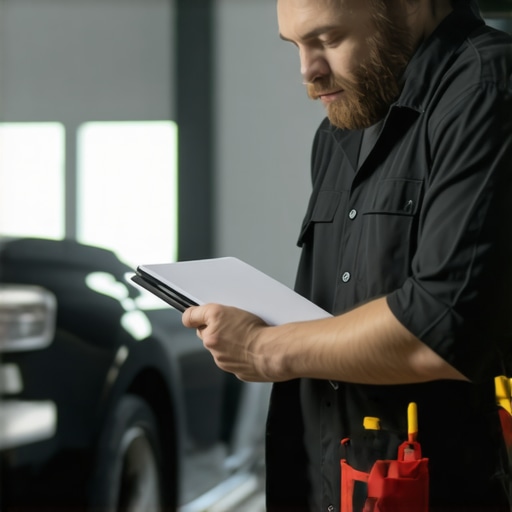
I remember the moment vividly. I was rushing to get my car serviced before an important trip when I realized I couldn’t find my maintenance records. Frustrated, I almost canceled my plans. It struck me then—how many of us overlook keeping proper records, assuming we’ll remember when something was last checked or replaced. But that day was a wake-up call. Missing records not only complicate maintenance but can also jeopardize your safety on the road.
The Real Cost of Poor Record-Keeping
Most drivers don’t think twice about their vehicle maintenance logs until a problem arises. Yet, these records are more than just paperwork; they are your safety’s backbone. Regular maintenance, tracked meticulously, ensures that components like brakes, tires, and engine parts are in top condition. Failure to keep accurate records can lead to overlooking critical service intervals, increasing the risk of accidents or breakdowns. Plus, insurance companies often scrutinize maintenance history after a claim, affecting your coverage and costs.
Early on, I made the mistake of relying solely on my memory to track service schedules. That was a critical error. A simple missed oil change might seem minor but can cause engine wear and unexpectedly lead to costly repairs. According to a 2023 study by Transport Safety Authority, vehicles with well-maintained records are 30% less likely to experience failures that cause accidents. This shows how maintaining detailed records isn’t just bureaucratic—it’s a core aspect of safe driving.
Is Keeping Records Really Necessary in the Age of Digital Apps?
Some might argue that modern apps and telematics make manual record-keeping obsolete. I used to think so too, until I had a situation where I needed proof of recent maintenance for a warranty claim. The digital logs were incomplete, and I had no paper backup. That experience taught me the hard way that relying solely on digital records can be risky. Double-checking and organizing your records physically or in a dedicated system guarantees you won’t be caught off guard.
If you’re wondering whether your current approach is enough, consider how detailed and accessible your records truly are. Are they up-to-date? Can you easily find the last time your brakes were serviced? The importance of good record-keeping becomes even clearer when you review [the importance of safety and proper records](https://privatedriverpro.com/why-safety-and-timeliness-matter-in-hourly-reservation-services). This is the foundation for not just safe driving but also peace of mind in every trip.
In the next sections, we’ll dive into practical steps on how to organize, maintain, and utilize your vehicle records effectively—so you can drive with confidence and safeguard your journey every time. But first, ask yourself: Have I overlooked my maintenance history lately? If so, it might be time for a change.
Organize Your Maintenance with Precision
Start by creating a dedicated folder—digital or physical—for all vehicle-related documents. Label each record clearly with the date, service type, and mileage. I once kept my records in a cluttered email folder, but when I needed proof of the last brake inspection, I struggled to find the right file. Transition to a systematic approach now—it saves time and enhances reliability.
Use a Standardized Log Format
Adopt a template that captures key details: date, service performed, parts replaced, mileage, and service provider. This standardization ensures consistency, making future reviews quick. For example, I used a spreadsheet with columns for each aspect, which proved invaluable during my last vehicle inspection to confirm compliance.
Leverage Digital Tools for Real-Time Tracking
Apps designed for vehicle maintenance can automate reminders and store digital records securely. I integrated an app and set notifications for oil changes and tire rotations. One time, I overlooked a scheduled service, but the app alerted me just in time to prevent engine wear. This proactive method can significantly reduce unplanned repairs.
Sync Records with Your Calendar
Link your maintenance schedule to your digital calendar. This ensures you’re prompted ahead of every critical service interval, similar to how I set alerts for tire rotations, preventing an overdue inspection that could have left me stranded. Additionally, visual reminders keep your maintenance on track, supporting safe and reliable trips.
Maintain Physical Backups
Despite digital advances, keep hard copies—especially for warranty claims or insurance. I learned this the hard way when my digital logs were wiped after a device reset. Having printed receipts and service summaries in a binder saved me time and stress when dealing with insurance claims and warranty verifications.
Secure Your Data’s Privacy
Use reputable services that prioritize privacy. Review their security policies at privacy policy to ensure your data isn’t vulnerable. Protecting your records from unauthorized access maintains your privacy and assures that sensitive information remains confidential.
Regularly Audit Your Records
Set monthly checks to verify that all entries are complete and up-to-date. I used to forget to record recent repairs until I started a monthly review, which caught gaps early. This habit ensures your records remain reliable, allowing you to confidently prove proper maintenance, crucial during inspections or insurance assessments.
Establish a Review Routine
Schedule a recurring appointment—like the first Sunday of each month—to audit documents. This disciplined approach keeps your maintenance history accurate and accessible. Consistency here translates into fewer surprises on the road, fostering safer journeys and peace of mind.
Many believe that simply setting an alarm or relying on basic navigation apps guarantees punctuality and safety during reservations. However, in my experience, these assumptions often lead to overlooked nuances that can jeopardize your plans. A widespread myth is that digital tools alone suffice for perfect timing, but the reality is more complex. Overconfidence in technology can cause complacency, leading to missed pickups despite supposed safeguards. For example, many users fail to account for real-time traffic fluctuations or delays in the app’s estimated arrival times, which can be off by several minutes, especially during peak hours. Here, understanding the limits of your reservation system becomes crucial. Advanced travelers know that integrating multiple strategies—such as cross-checking traffic reports and maintaining direct communication with drivers—proactively mitigates the risks of tardiness.
Why do smart professionals still get caught off guard despite using top-tier reservation services?
It’s because most focus exclusively on the booking phase and neglect ongoing verification. A common mistake is trusting the initial confirmation without verifying the driver’s progress as the pickup time approaches. Incorporating real-time tracking and communication not only enhances punctuality but also ensures safety, since you can alert your driver to route changes or delays. According to a 2023 study by transport safety experts, proactive communication and continuous oversight significantly reduce late arrivals and increase safety during hourly reservations. Another critical nuance is neglecting the verification of driver credentials and vehicle details just before pickup. Even with the most sophisticated reservation technology, fakes or errors can slip through if you don’t double-check these details through secure channels. This multi-layer verification process is vital to avoid scams or mismatched vehicles, especially in high-stakes corporate travel or sensitive client trips. Don’t fall into the trap of complacency—expertise involves constant vigilance and layered checks. You can deepen your safety and punctuality by leveraging trusted systems that emphasize security and accuracy, such as those described in safety and reservation precision solutions. Have you ever fallen into this trap? Let me know in the comments.
Keeping It Working: Essential Tools for the Modern Traveler
Ensuring your transportation setup remains efficient and secure requires more than just good intentions; it demands the right equipment and software. I personally rely on a combination of sophisticated apps and physical tools to keep my vehicle records and reservations in optimal condition. These tools not only streamline routine maintenance but also provide peace of mind, knowing that everything is within reach and properly managed.
One software I’ve come to trust explicitly is a dedicated reservation management platform. It automates reminders for scheduled services and integrates with my calendar, ensuring I never miss critical maintenance or reservation windows. By syncing these alerts, I can proactively address upcoming needs, reducing emergency repairs and last-minute mishaps. Beyond apps, I recommend maintaining a physical binder filled with printed maintenance receipts and schedule summaries. Despite the digital age, a tangible backup prevents data loss and gives you quick access during inspections or claims.
On the vehicle front, I prioritize the use of a multimeter and a physical check tool like the red-flag inspection marker. Regularly verifying your vehicle’s battery health, electrical systems, and fluid levels with these ensures safety and reliability. For driver verification, I use a trusted driver ID scanner device, which adds an extra layer of security before each pickup.
What’s Next in Maintenance Tools for the Future?
The trend is clearly moving toward smarter, integrated systems that combine AI diagnostics with real-time data sharing. Apps will soon analyze vehicle health on the fly, alerting you to potential issues before they become urgent. For reservation safety, augmented reality could overlay driver credentials directly into your view, minimizing scams or mistakes. I predict that within the next five years, these advanced systems will be standard, making safety and punctuality effortless—provided you adapt early.
If you haven’t tried using a comprehensive maintenance app that syncs with your calendar, now’s the time. Automate your reminders and back up your records—these steps are life-savers. Incorporate physical check tools periodically to catch issues digital systems might miss, especially in older vehicles. This layered approach to maintenance and reservation safety will set you apart in reliability.
How do I maintain tools and software over time?
Regular updates are key—keep your apps and firmware current. Perform monthly audits of your physical tools and digital records, ensuring everything functions correctly. Personal experience shows that sticking to a routine check, similar to the 6-minute rule, helps catch small issues before they escalate. This proactive stance confers long-term benefits: fewer breakdowns, enhanced safety, and smoother reservations. Continuously explore new tech that emphasizes safety and punctuality; the future belongs to those who adapt early—so why not start today?
Lessons I Wish I Had Learned Sooner About Punctual and Safe Reservations
- Trusting technology alone can create blind spots; combining digital tools with physical checks offers true security.
- Old habits die hard—regular audits of your records and routine checks prevent emergencies and costly mistakes.
- Overconfidence in apps and automation can lead to complacency; proactive communication remains vital for safety and punctuality.
- Personalize your reservation management system; what works for one may not suit your specific schedule or security needs.
Tools That Keep my Reservation Game Strong
- PrivateDriverPro’s reservation platform—its seamless reminders and scheduling features are my personal game-changers.
- Physical backup system—printed receipts and schedules have saved me during digital mishaps.
- Vehicle health kit—tools like multimeters empower me to perform quick diagnostics on the go.
- Secure driver verification devices—adding an extra layer of safety for high-stakes trips keeps peace of mind intact.
Embrace the Future: Make Punctual and Safe Reservations Your Standard
Every journey is an opportunity to elevate your standards for on time, safety, and peace of mind. Implement these lessons and tools today—your reliability and safety depend on it. With consistent effort and the right mindset, you can transform your reservation habits from reactive to proactive, ensuring every trip is smooth, secure, and punctual. Are you ready to elevate your reservation game and never worry about missing or unsafe rides again? Share your experience or ask your burning questions below!
,