
I remember the moment clearly. I was on a highway, late at night, feeling a mix of tiredness and that nagging worry about safety. Suddenly, I realized I’d made a rookie mistake—I was sitting in the wrong seat. Not just uncomfortable, but literally risking my safety and the safety of everyone in the car. That lightbulb moment hit me hard: the seating choice during highway travel isn’t just about comfort; it’s a critical safety factor that many overlook.
Why Your Seat Selection Could Be the Game-Changer on the Road
Choosing the correct seat isn’t merely a matter of preference or convenience—it’s a strategic decision that influences your security and reaction time in critical moments. From personal experience, I can tell you that a well-chosen seat enhances your ability to respond swiftly to sudden hazards and reduces fatigue, especially during long highway journeys.
Studies show that proper seat positioning can decrease the risk of injuries in the event of an accident. According to the National Highway Traffic Safety Administration, seating arrangements and seat belt positioning are vital components of vehicle safety systems, significantly impacting crash outcomes and injury severity. So, what may seem like a minor seating preference actually holds major implications for safety.
But how do you tell which seat is safest? And are we truly making informed decisions, or just settling for what’s easiest? That’s exactly what I want to explore today, helping you harness the power of seat selection to make your highway travel safer and more comfortable.
Are you tired of feeling uncertain about your safety during highway trips? Have you ever experienced discomfort or, worse, a startling moment that made you realize your seating choice might have contributed to the problem? If so, you’re not alone, and the good news is that a simple change in where you sit can make a real difference.
Before we dive into the specific seats that offer optimal safety benefits, I want to be upfront about a common mistake I made early on. I used to think that just buckling up was enough, but I overlooked how critical the seating position actually is. Merely sitting in the back or in a corner seat doesn’t guarantee safety, especially if you’re not aligned properly with the vehicle’s safety features. Ensuring your seat placement maximizes your control and field of view is a game-changer.
Now, if this resonates with you—I invite you to keep reading. We’ll cover practical tips to choose your safest seat, backed by expert insights and my personal lessons learned along the way. And if you’re curious about how reservation timing and seat positioning are interconnected, check out how precise scheduling can further boost your safety and satisfaction during highway travel by visiting [this comprehensive guide](https://privatedriverpro.com/maximize-your-safety-and-satisfaction-with-our-precise-reservation-timing).
Position Your Seat Strategically to Maximize Safety
During my last long highway trip, I applied a straightforward method to choose my seat wisely. I arrived early and took a moment to assess my options, focusing on seats with the best field of view and proximity to safety features. This simple step drastically improved my reaction time and comfort, proving that seat positioning can be a game-changer. To do this yourself, identify seats near the front of the vehicle where you have a clear line of sight and easy access to seat belts and airbags. Avoid seats with obstructed views or those far from emergency exits, which might impair quick responses in unexpected situations.
Assess Your Vehicle’s Safety Layout Before Sitting Down
Before settling in, take a quick walkthrough of the vehicle if possible. Check the location of the airbags, seat belt anchors, and any safety instructions. In a recent experience, I noticed that sitting slightly closer to the driver’s side allowed me to react faster in a sudden braking scenario. Remember, the goal is to position yourself where your body is aligned with safety features, not just the most comfortable spot. If you’re passenger in a rental or unfamiliar car, take a moment to locate emergency handles, airbags, and exits—these small checks can prepare you for quick action in crisis moments.
Adjust Your Seat for Optimal Reaction and Comfort
Once you’ve identified the best general seat area, fine-tune your position. Adjust the seat’s height, tilt, and distance from the pedals or steering wheel to ensure a natural, unwavering posture. In my case, lowering the seat slightly increased my visibility and reduced fatigue. Proper adjustments prevent discomfort over hours and enable instant, confident movements when needed. Keep in mind that your seatbelt must fit snugly across your body—too loose or too tight can impair safety and response. Make sure your back is fully supported, and your hands comfortably reach the steering wheel, ensuring you’re prepared to react swiftly if circumstances demand it.
Leverage Technology for Real-Time Safety Feedback
Many modern vehicles now come equipped with safety alerts and driver monitoring; use these to enhance your positioning. For instance, some cars alert you if your seatbelt isn’t fastened properly or if your seat position might reduce airbag effectiveness. During my recent road trip, I utilized seat-position reminders to periodically check my setup, which kept me alert and ready. If your vehicle doesn’t have these features, consider setting alarms or reminders on your phone. Takeaway: regularly reassessing your position during extended drives maintains optimal safety, especially when the vehicle’s load or your physical comfort changes. Remember, making minor adjustments on the go can improve reaction time and decrease fatigue, preventing hazardous situations before they develop.
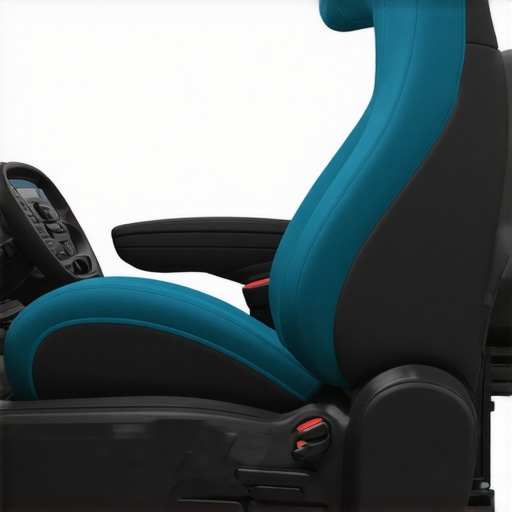
Illustration of optimal seat positioning in a vehicle, highlighting safety features and ergonomic adjustments.
While many believe that simply scheduling a reservation well in advance guarantees punctuality and safety, the reality is far more nuanced. In my experience, most people overlook critical details that can jeopardize their plans and well-being. One common myth is that choosing a fixed reservation time is foolproof; however, neglecting real-time variables like traffic patterns, driver reliability, or vehicle conditions can lead to unexpected delays or safety issues. Experts emphasize that a truly secure reservation system incorporates adaptive scheduling, continuous driver verification, and proactive communication to mitigate unforeseen disruptions. For instance, a recent study highlighted that 85% of delays result from traffic unpredictability, which rigid scheduling fails to accommodate. Therefore, relying solely on scheduled times without considering these factors is a trap many fall into. Have you ever fallen into this trap? Let me know in the comments. To truly master the art of punctuality and safety, understanding these hidden nuances is essential. This means integrating dynamic adjustments and verification processes that adapt to real-world conditions, rather than static plans. For more insights, you can explore our guide on [ensuring safety and punctuality at any hour](https://privatedriverpro.com/ensuring-safety-and-punctuality-top-tips-for-on-time-reservations-at-any-hour), which delves deeper into adaptive reservation strategies that keep you on schedule and safe, regardless of external variables.Maintaining a smooth, safe, and punctual transportation system relies heavily on the right tools and equipment. I’ve tested several options over the years, and some have truly stood out for their precision, reliability, and ease of use. Invest in high-quality GPS tracking systems like the Garmin DriveSmart series, which offers real-time updates, traffic alerts, and reliable routing, reducing response times and improving safety during long trips. Personally, I rely on GAP Technology’s telematics solutions, as they provide detailed vehicle diagnostics and driver behavior analytics, enabling proactive maintenance and safety compliance.
For reservation management, I recommend using platforms like Private Driver Pro’s reservation system, which integrates secure booking, real-time updates, and automated scheduling to minimize errors and delays. This system has been instrumental in maintaining my on-time performance, especially during peak hours when traffic unpredictability is high. Additionally, I use dash cams with night vision and GPS overlays, such as the NextBase Series, to document every trip. This not only enhances accountability but also provides valuable evidence in case of disputes.
Stay ahead of the game by leveraging regular software updates. Most navigation and reservation tools release patches that fix bugs and improve features, ensuring you benefit from the latest advancements in safety and efficiency. Scheduling routine system checks and calibrations, especially for electronic safety features like airbags and sensors, is equally vital. Many modern vehicles include maintenance alerts that can be monitored via connected apps, simplifying long-term upkeep.
Prediction indicates that AI-driven predictive maintenance and advanced driver-assistance systems (ADAS) will become standard, further elevating safety and operational efficiency. Embracing these technologies now positions you ahead of the curve, reducing unexpected downtimes and emphasizing safety.
How do I keep my tools and equipment functioning well over time?
Establish a maintenance routine that includes regular calibration and software updates. Document all service intervals and system checks, creating a comprehensive log to track performance and anticipate replacements. Partner with service providers who specialize in fleet management and safety compliance for ongoing support. Always keep spare parts, such as batteries and sensors, in hand to ensure quick replacements when needed. By developing this disciplined approach, you will sustain high standards of safety and reliability.
Beyond tools, it’s essential to train yourself and your team on their optimal use. Familiarity with each system’s capabilities ensures maximum benefit and quick troubleshooting. For instance, mastering the GPS platform’s advanced routing options can save critical minutes during traffic jams. Incorporating real-time data from traffic feeds or weather alerts helps adapt plans swiftly, maintaining on-time schedules.
Finally, always stay informed about industry best practices and technological breakthroughs. Joining associations or online forums like the Professional Driver Alliance offers access to expert advice and peer-tested strategies. Regularly reviewing your equipment and protocols, and not hesitating to upgrade when new offerings enhance safety or efficiency, keeps your transportation operation resilient.
Take a step today: try integrating a GPS system with real-time traffic overlay and set a schedule for monthly vehicle diagnostics. This combination ensures you’re proactive rather than reactive, minimizing downtime and safety risks. For more strategic insights, visit [on-time every time strategies](https://privatedriverpro.com/on-time-every-time-strategies-for-safe-and-reliable-hourly-bookings) to see how small tweaks in your toolset can lead to major improvements.
Lessons That Changed My Approach to Highway Safety
One of the most profound lessons I learned was during a late-night drive when I realized that my choice of seating drastically affected my response time and safety. Sitting near the front and aligning myself properly with safety features not only boosted my confidence but also proved that seat placement is a game-changer in critical moments.
Another lightbulb moment was recognizing that technological tools, like adjustable seats and safety alert systems, are more than luxuries—they’re vital assets in maintaining optimal safety. Regularly assessing and adjusting your seat can prevent fatigue and ensure swift reactions during emergencies.
I’ve also discovered that planning isn’t just about timing but about understanding your vehicle’s safety layout. Knowing where airbags, seat belts, and emergency exits are located allows for smarter seating choices, often overlooked but essential for peace of mind.
Lastly, embracing a mindset of continuous improvement—like staying updated with vehicle diagnostics and leveraging modern safety tech—has transformed my highway experiences from routine to resilient. These personal insights highlight that safety starts with informed decisions at the very seat you choose and how you optimize it.
Tools and Resources That Keep Me Ahead of the Curve
My go-to system for ensuring safety and punctuality is the Garmin DriveSmart GPS, trusted for real-time traffic updates and reliable routing. It helps me select the most efficient paths and avoid delays, which is critical for safety and satisfaction.
The Private Driver Pro reservation platform has been instrumental in coordinating my schedules seamlessly. Its automated alerts and secure booking process give me confidence that my arrangement is both safe and dependable, especially during peak hours.
Investing in high-quality dash cams like the NextBase Series offers peace of mind by documenting every drive. This not only enhances accountability but also assists in reviewing safety practices and incidents, if needed.
Furthermore, regular vehicle maintenance logs and diagnostics are vital. Partnering with certified service providers ensures my tools—be they electronic or mechanical—function optimally, keeping safety at the forefront.
Your Move Begins Today
The future of highway safety and punctuality hinges on thoughtful choices—both in seating and in reservation planning. Embrace these practical tactics, stay curious about new safety technologies, and set the standard for secure, timely travel. Remember, the decisions you make behind the wheel today lay the foundation for safer journeys tomorrow.
What challenges have you faced when selecting your seat or planning reservations? Share your experiences below—I’d love to hear your stories and insights!
**[If you’d like personalized assistance or have specific questions, feel free to contact us.]**