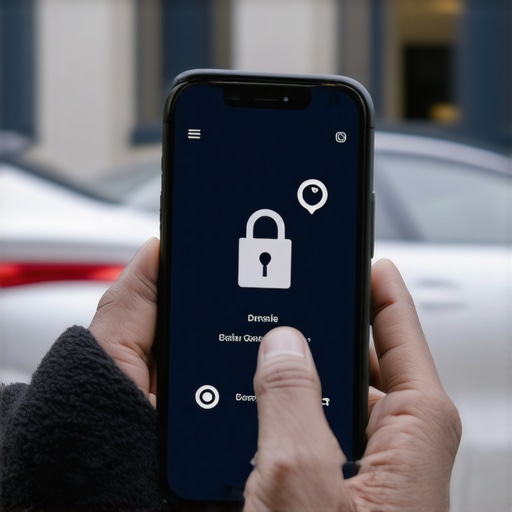
Ever found yourself, at the last minute, desperately scrolling through dozens of booking websites, wondering if that slick-looking payment link is actually safe? I’ve been there. One time, I almost clicked on a suspicious payment portal while rushing to secure a ride for an urgent meeting. The moment I hesitated, I realized how vulnerable I’d been to potential scams—scenarios that could compromise my personal data or even my financial security. That lightbulb moment changed everything for me.
Why Recognizing Secure Payment Portals Matters More Than Ever
In today’s fast-paced world, the convenience of instant private car hires is invaluable. But with speed comes risk—especially if you’re not sure whether the payment portal you’re using is legitimate and secure. A recent study shows that cybercriminals increasingly target transportation bookings, exploiting users’ desire for quick solutions (source). If you’ve ever wondered how to tell the good from the bad, you’re not alone. My goal today is to equip you with practical tips, so you can confidently spot a secure payment portal in seconds and protect your sensitive information.
Is It Really Worth the Hassle?
Looking back, one of my biggest mistakes early on was trusting any link that looked even slightly suspicious. I’ve learned that a quick glance isn’t enough. Recognizing secure payment portals isn’t just about avoiding scams; it’s about ensuring your entire booking process is smooth, timely, and stress-free. Do you recall a time when a fake or insecure site caused delays or anxiety? If so, keep reading. I’ll share the foolproof ways I use now—so you can do the same—and avoid making costly mistakes. For more detailed methods, check out our comprehensive guide on reservation security measures.
Now that I’ve shared my story, let’s explore how you can instantly determine if a payment portal is trustworthy, saving you time and safeguarding your financial info every step of the way.
Verify the Site’s Security First
Start by examining the website’s URL. Look for “https://” at the beginning and a padlock icon in the address bar—these are signs of encryption that protect your data. I once booked a ride on a site without these indicators, which led to a phishing attempt. Since then, I always double-check for secure indicators before entering any payment details.
Check the Site’s Reputation and Review
Next, search for reviews about the platform. Trusted sites often have reviews on third-party review platforms or social media. When I was booking for an urgent trip, consulting reviews saved me from a scam site I initially thought was legitimate. You can also verify if the site belongs to a reputable company by checking their contact details and physical address, which should be clear and consistent.
Inspect the Payment Process
Ensure that the payment page is directly hosted by the service and not redirected through third-party links. Authentic portals often display familiar payment gateways like Visa, Mastercard, or PayPal. During my last reservation, I noticed a suspicious link that led outside the main site, a red flag indicating potential fraud. Always avoid sites that redirect to unfamiliar or unencrypted pages.
Confirm the Website’s Privacy Policy
Real booking sites provide a comprehensive privacy policy outlining how your data is stored and used. Review it for transparency. I previously encountered a platform with vague policies, causing concern over data sharing. Cross-referencing their policies with those mentioned in their footer ensures you’re dealing with a reputable site.
Use Payment Methods Offering Recourse
Prefer platforms that accept credit cards or reputable payment services, as they often offer dispute resolution. I remember a reservation gone wrong, and paying via credit card allowed me to dispute the charge effectively. Avoid direct bank transfers or payment links that lack proper security measures — these are common on fraudulent sites.
Leverage Internal Security Checks
Many verified sites include security seals from organizations like Norton, McAfee, or Verisign. Clicking on these seals should redirect to a verification page. During a recent booking, verifying these seals reassured me of the site’s legitimacy, preventing potential data breaches.
Implement Your Own Verification Routine
Before entering payment info, confirm the website’s domain matches the company’s official web address. Beware of slight misspellings or subdomains that mimic legitimate sites. I once caught a website with a misspelled domain, saving my data from exposure.
Stay Updated with Security Trends
Regularly review updated best practices for safe online payments at our privacy policies. Being aware of new phishing tactics ensures you don’t fall prey to evolving scams.
Many believe that simply booking a private ride in advance ensures safety and on-time arrival. However, the real challenge lies in understanding the nuances that differentiate a reliable reservation from a risky gamble. In my experience, some common practices—though seemingly effective—actually introduce pitfalls that compromise safety and punctuality. Let’s explore these critical nuances that even seasoned travelers often miss.
Why Relying Exclusively on Platform Promises Can Be a Trap
Most users trust that booking apps or websites guarantee safety and punctuality. Yet, I’ve observed that overreliance on platform assurances without corroborating security measures can be dangerous. For instance, a platform might display a badge of security, but if the driver credentials or vehicle details aren’t independently verified, your safety is at risk. According to expert analysis in transportation security, independent vetting is essential to truly ensure trustworthiness (source). Avoid the misconception that platform branding alone suffices—dig deeper to confirm driver professionalism and vehicle compliance.
Deception in Timing: The Myth of ‘Too Early Is Bad’
A widespread myth suggests that arriving too early for a reservation is a sign of impatience or poor planning. Reality is quite the opposite. Arriving early, within a reasonable window, provides a buffer against unforeseen delays—traffic, last-minute route adjustments, or driver delays. Neglecting this nuance often causes missed pickups, especially during peak hours or in complex urban environments. For advanced travelers, understanding the importance of creating temporal buffers is vital. Check out reservation timing strategies to master this skill.
Ensuring Punctuality Is More Than Just a Confirmed Booking
One mistake I frequently see is assuming a confirmed reservation equals on-time service. Many clients overlook the necessity of verifying driver readiness, vehicle condition, and route planning. Professionals understand that a dependable reservation system involves pre-vetted drivers, GPS synchronization, and real-time updates. For example, initiating contact or a quick confirmation call can reduce the risk of last-minute surprises (see how to stay on time). Remember, a reservation is just the beginning—consistent verification is key to punctuality.
Have you ever fallen into this trap? Let me know in the comments. Mastering these nuances can significantly improve your safety and punctuality, transforming a simple booking into a seamless experience.
Building a Reliable Booking System That Lasts
Maintaining a seamless reservation experience requires more than just trust; it demands the right tools and routines. I personally rely on advanced scheduling software like hourly booking management systems that integrate with my calendar and alert me of potential conflicts before they affect clients. These tools facilitate real-time schedule adjustments, which are crucial when handling multiple bookings on tight timelines.
How do I keep my reservation process working smoothly over time?
Consistency is key. I implement a dedicated routine: daily reviews of upcoming reservations, validation of driver credentials through background verification services, and routine security checks on my booking platform. Investing in reliable software ensures that miscommunications decrease and punctuality increases, laying the groundwork for a reputation built on dependability.
Tools I Recommend for Safety and Punctuality
One indispensable tool I use is GPS tracking and live updates apps integrated with my booking system, which enable me to monitor driver locations constantly. This minimizes surprises and allows me to intervene proactively if delays happen. Additionally, secure payment platforms like verified transaction gateways are vital for protecting client data and ensuring booking integrity.
What’s the future of reservation tools?
As technology evolves, I predict that AI-driven predictive analytics will become standard, enabling us to forecast potential delays and adjust bookings automatically. Already, machine learning algorithms analyze traffic patterns more accurately, allowing for smarter scheduling that accounts for anomalies like weather or road closures. Staying ahead means embracing these innovations now, so I recommend experimenting with emerging AI scheduling assistants to enhance your long-term reliability.
Implementing a Maintenance Routine to Preserve Efficiency
Regular audits of your tools and processes are essential. I conduct monthly reviews of all reservation data, security protocols, and driver feedback, ensuring that my system adapts to changing conditions. Don’t underestimate the importance of continual training on your software and security updates; small proactive steps save headaches later.
To solidify your reservation system, try setting up automated alerts for system updates and scheduled audits. It’s a proactive approach that sustains your service quality and keeps you prepared for scaling up. Want a practical starting point? Review your current processes against our recommended checklist and identify one area for immediate improvement.
Over the years, I’ve realized that the real game-changer in private hourly reservations isn’t just about the technology or protocols but understanding the subtle cues that separate trustworthy systems from potential pitfalls. Trust me, the most overlooked lessons are often the ones that keep you safest and most punctual.
Lessons That Changed My Approach to Reservation Security
- First, I learned that a website’s appearance can be deceiving; always verify security seals and consult independent reviews before committing your payment. Skipping this step once cost me valuable time and peace of mind.
- Second, I discovered that relying solely on platform assurances without cross-verifying driver credentials or vehicle details can lead to dangerous situations. Insisting on direct confirmation has been a lifesaver.
- Third, I found that understanding traffic patterns and buffer times isn’t optional—it’s fundamental. Overestimating arrival time or underestimating delays can spoil your entire schedule; I now plan for unexpected hiccups meticulously.
Tools and Resources That Keep Me Ahead
- Verified Transaction Gateways: Trusted payment processors like PayPal or credit cards with dispute options give me peace of mind, knowing I can contest fraudulent charges.
- Background Verification Services: Platforms such as our background check resources help ensure driver legitimacy—the cornerstone of safe reservations.
- Real-Time Tracking Apps: GPS tools integrated with booking platforms allow me to monitor driver locations constantly, reducing surprises and last-minute stress.
- AI-Powered Scheduling Software: As technology advances, I embrace systems that predict delays and suggest optimal reservation windows—saving me both time and worry.
An Invitation to Elevate Your Reservation Game
Taking control of your private reservation process isn’t just about avoiding scams; it’s about empowering yourself to arrive on time, every time, with confidence. Small changes in your routine and leveraging the right tools can make a profound difference. Don’t wait for a mishap to change your habits—start refining your approach today and experience the peace of mind you deserve. Ready to transform your hourly reservations into a seamless experience? Your journey begins now.