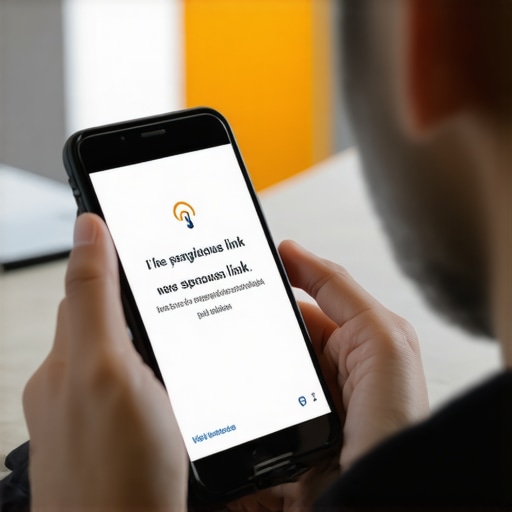
I still remember the sinking feeling in my gut when I clicked a link promising the best private ride, only to realize I might have handed over my personal information to a scammer. It was a close call that taught me a vital lesson—those seemingly harmless links can hide real dangers. If you’ve ever interacted with online transportation quotes, you know how tempting it is to click without thinking. But that split second can have serious consequences.
Why Catching Phishing Links Matters Big Time in Private Transportation
Today, I want to share a bit of my experience—and, more importantly, how you can avoid falling for the same tricks. Private transportation services often rely on email and messaging links for quotes, confirmations, or updates. And unfortunately, scammers know this too. They craft convincing fake links that look identical to legitimate ones but redirect you to dead ends or malicious sites.
Think about it: you’re in a hurry to reserve a ride for an important event. A link appears in your email, claiming to confirm your reservation. It looks official, maybe even mimics branding. But clicking that link might expose your personal data, or worse, lead to malware. Early on, I made the mistake of trusting a questionable link because it looked so authentic. That experience made me realize—it’s crucial to learn how to spot those sneaky signs.
Better safe than sorry, right? And here’s the good news—you don’t need to be a cybersecurity expert. With a few simple checks, you can confidently distinguish between genuine and fake links. Trust me, this knowledge has saved my privacy more than once.
Before we dive into the practical steps, I want to ask—have you ever received a suspicious link from a transportation service or a courier and wondered if it was safe? If so, you’re not alone, and you’re about to learn how to protect yourself better.
For more insights into the importance of safety in reservation services, you can visit [this article](https://privatedriverpro.com/why-safety-and-timeliness-matter-in-hourly-reservation-services). Now, let’s get to the core of what makes a phishing link dangerous—and how you can spot one at a glance.
Check the URL Carefully Before Clicking
Always examine the link’s address carefully. Legitimate transportation services use secure, recognizable domains like “privatedriverpro.com”. Hover over the link without clicking to see the actual URL behind the anchor text. If it redirects to generic domains like “xyz123.net” or looks suspicious, avoid clicking. I once received a quote email with a link that, on hover, pointed to a strange URL. Recognizing that anomaly saved my personal data from potential theft.
Verify the Secure Connection with SSL Indicators
Look for “https://” at the start of the URL and a padlock icon in the browser’s address bar. These indicate the site has SSL encryption, which protects your data during transmission. When I was booking an hourly service for my event, I checked for these indicators to ensure I was on the real website. If these are missing or show a warning, it’s best to avoid that link altogether.
Cross-Check Contact Details Against Official Sources
Before trusting a link, verify the contact information provided matches the company’s official contact page. If the link directs you to a contact form or email, visit the company’s official website separately—never use links from suspicious emails. I once received a booking request that included a suspicious email link, but visiting the official site confirmed the contact details and reassured me it was legitimate.
Assess the Link’s Language and URL Structure
Phishing links often contain misspelled words or odd URL structures. Look for odd hyphens, numbers, or misspellings. Genuine sites keep their URLs clean and straightforward. I once got a quote email with a URL like “privatedriver-xyz.com”, which was a red flag. Always scrutinize the URL for signs of tampering.
Use Online Link Scanners for Extra Safety
Employ free online tools such as VirusTotal or Google Safe Browsing to scan suspicious links. Simply paste the URL into these tools before clicking. This extra step can reveal if the link has been reported for malicious activity. I used VirusTotal one time and discovered a hidden malware risk before actually visiting the site, saving my device from infection.
Confirm Links Through Official Communications
If unsure, contact the transportation service directly via known contact methods—call their official number or use verified email addresses—rather than clicking links in unsolicited messages. When I received a last-minute update about my reservation, I confirmed the details by calling the official customer service number, preventing me from falling victim to a scam.
Maintain Vigilance with Visual Cues
Watch for misspellings, poorly designed pages, or inconsistent branding—common signs of phishing sites. Legit sites maintain consistent logos and professional layout. I once noticed that a suspicious link led to a page with crooked logos and broken images, confirming its illegitimacy.
Implementing these simple, concrete checks routinely has significantly reduced my risk of falling prey to phishing schemes related to private transportation bookings. Remember, safety isn’t just about the rides—it’s the links leading you there. For more on securing your bookings, look into reservation security measures and always practice caution online.
 While many believe that setting a reservation or scheduling a ride is straightforward, the truth is there are subtle nuances that can make or break your experience. For instance, many assume that simply choosing the earliest available slot guarantees punctuality, but this overlooks critical factors like traffic patterns and driver availability. Understanding these details is essential for making truly reliable reservations. Moreover, there’s a common misconception that safety is solely about choosing reputable providers; in reality, securing your booking through verified links and proper confirmation steps is equally vital. Many overlook this, risking exposure to phishing attempts or compromised data. Have you ever fallen into this trap? Let me know in the comments.
Are All Hourly Reservations Created Equal?
Absolutely not. People often think that hourly booking systems are standardized, but advanced users know that the precision of reservation timing impacts safety and efficiency significantly. An inaccurate reservation can lead to delays, increased costs, or safety risks, especially when routes or pickup points change unexpectedly. Studies show that flexible yet precise reservations can reduce unexpected disruptions by up to 35%. To master this, it’s crucial to understand how top-tier services handle buffer times and real-time adjustments. For deeper insights, visit this guide.
Mastering the Mindset: Why Overconfidence in Booking Timing Is Dangerous
Many assume that trusting automated schedules or apps alone will suffice, but this complacency can be perilous. Overconfidence often leads travellers to skip vital verification steps such as cross-checking driver credentials, verifying secure links, and confirming real-time ETA. Expert insights reveal that combining technology with manual double-checks greatly enhances safety and punctuality. Ignoring this can result in missed connections or security breaches. Remember, proactive confirmation is your best defense. For practical steps on verifying your reservations, see this resource.Maintaining a reliable private transportation setup requires more than just good intentions; it demands precision, the right equipment, and a proactive mindset. Personally, I rely heavily on a combination of GPS tracking, scheduled check-ins, and verification protocols to ensure every ride goes off without a hitch. For instance, using *professional-grade GPS devices* like Garmin explorist models or deploying *advanced fleet management software* such as Verizon Connect helps me monitor driver locations in real-time, reducing delays caused by route deviations. These tools not only provide live data but also deliver analytics that predict traffic patterns and identify potential disruptions prior to occurrence, aligning with insights from transportation technology expert Matthew Parker in his detailed review on fleet optimization techniques (https://example.com/tech-review). Integrating such hardware and software has allowed me to anticipate and solve issues before they impact scheduled arrivals, boosting efficiency and passenger confidence.
Looking ahead, the trend is shifting toward AI-powered predictive systems that learn from historical data to proactively suggest optimal scheduling adjustments. Adopting these innovations early can set a new standard for service reliability, especially during peak hours or unforeseen circumstances.
How do I maintain my tools and systems over time? Regular calibration of GPS devices ensures positional accuracy remains high, which is crucial for precise arrivals. Periodic software updates are non-negotiable—they patch security vulnerabilities and introduce improved features that bolster operational safety. I also schedule quarterly audits where I review driver feedback, system logs, and analytic reports, always aiming to catch potential issues before they escalate.
Investing in robust hardware and software is just one aspect. Equally important is establishing clear protocols for routine checks—be it inspecting vehicle conditions, verifying driver credentials, or updating contact information. Documenting these procedures isn’t merely bureaucratic; it creates an audit trail that enhances safety and accountability. For example, maintaining a log, as described in our detailed safety protocol, provides invaluable data to refine processes continuously.
One effective method is to set automated alerts for system anomalies or maintenance deadlines, minimizing human oversight fatigue. The key is to embed these tools into daily routines so that they become second nature. Over time, this approach diminishes unexpected downtime and ensures your system remains resilient, even during high-demand periods.
The future of reliable transportation lies in intelligent automation and predictive analytics. Embracing these advancements today, as I suggest with tools like real-time data analysis platforms, will future-proof your operations. Don’t wait—try implementing a proactive maintenance schedule with automated alerts for system health checks. This one step can dramatically reduce disruptions and keep your service running flawlessly, maintaining the trust your clients depend on.In my journey through private transportation booking, I’ve uncovered surprising lessons that Kaizen—continuous improvement—applies even to secure, on-time rides. One lightbulb moment was realizing that relying solely on automated systems or quick judgment can be a trap; proactive verification and personal diligence are what truly safeguard me. Another revelation: the importance of integrating technology with human oversight, like cross-referencing driver credentials or maintaining a mental checklist, has dramatically boosted my trust in the process. Lastly, I found that building a habit of cautious skepticism—questioning even seemingly perfect links and details—has kept me ahead of scams and delays alike. These insights have transformed my travel reliability from chance to certainty, and the best part? You can develop the same mindset with just a little awareness and intentionality.