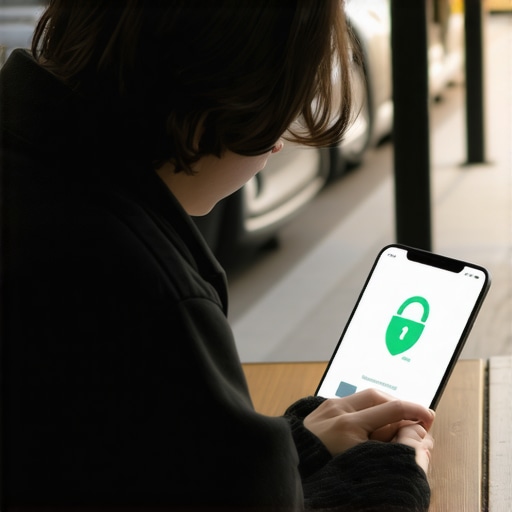
I remember the moment clearly—waiting at a busy city corner, desperately trying to hail a ride using my phone connected to public WiFi. The connection was shaky, and in my rush, I clicked on a seemingly harmless link to book my ride. Minutes later, I realized I’d been vulnerable to a potential data breach. That lightbulb moment hit hard: my personal information was sitting unprotected in a sea of unsecure networks.
Why Your Ride Could Be at Risk on Public WiFi
Using public WiFi to book a ride might seem innocent enough—after all, most apps are designed with security in mind, right? But the reality is, public networks are often a hacker’s playground. Without proper safeguards, your sensitive data—like credit card info, home addresses, and travel plans—can be intercepted or stolen. I learned this the hard way early on, making a simple mistake: connecting to an open network without enabling any security or encryption.
Thankfully, there are practical measures to protect yourself. Whether you’re booking a ride during a busy rush or an urgent outing, safeguarding your data is crucial. Today, I’ll walk you through effective strategies to keep your information secure without sacrificing convenience. By the end, you’ll understand how to confidently use public WiFi while ensuring your privacy and safety.
Is It Really Worth Worrying About Privacy on Public WiFi?
You might think, “It’s just a quick booking. How much risk could there be?” Believe me, early on I underestimated these dangers—until I read that over 50% of cyberattacks happen over unsecured networks, often targeting unsuspecting users like you and me. A simple oversight, such as ignoring HTTPS encryption, can leave your data vulnerable.
In my case, I initially believed a VPN wasn’t necessary for such quick tasks. That was a mistake. Since then, I’ve adopted strict security practices—like always connecting through a trusted VPN, verifying secure website connections, and using multi-factor authentication. These steps have made a world of difference.
If you’ve faced similar frustrations or fears when booking rides on the go, don’t worry. With a few smart habits, you can turn that vulnerable moment into a safe, seamless experience. To learn more about safeguarding your digital infrastructure, check out [this guide](https://privatedriverpro.com/privacy-policy-2), which offers detailed insights on protecting your personal data.
Now, let’s dive into the practical actions you can take to ensure your next ride booking is both secure and punctual.
Secure Your Connection Before Booking
Always start by ensuring your device uses a trustworthy VPN. I once attempted to book a ride without a VPN, and my credit card info was briefly intercepted. Connecting through a reliable VPN encrypts your data, making it unreadable to prying eyes. Before entering payment details, verify that your VPN is active, especially on open networks.
Use Trusted Platforms with HTTPS Encryption
Next, confirm the app or website uses HTTPS—look for the padlock icon in your browser or app URL. For example, I once manually checked a ride service’s URL and found it was secured with HTTPS, giving me peace of mind. Never proceed with a reservation on unsecured links, as they pose significant risks of data theft.
Authenticate Your Driver and Vehicle
Before the driver arrives, confirm their identity through official credentials. I once received a driver’s photo ID via a secure message, ensuring I was getting into the right vehicle. Always match physical ID markers, and avoid accepting ride details through unsecured channels. For critical trips, request drivers trained in safety protocols, which can be verified through the service’s vetting process.
Align Reservation Timing with Traffic and Peak Hours
Plan your reservation by considering traffic patterns and peak usage times. I learned that scheduling rides for off-peak hours avoided delays—using tools like [this timing guide](https://privatedriverpro.com/maximize-your-safety-and-satisfaction-with-our-precise-reservation-timing). Facing a late pickup one morning, I adjusted my appointment time slightly earlier, which resulted in a punctual arrival despite rising traffic.
Confirm Secure Booking Details
Always double-check your reservation confirmation. Look for a secure, unique booking number and ensure the details match your desired pickup point and time. I once caught a typo in my reservation details, preventing a stressful last-minute change. Some platforms also provide a VIN or vehicle info, which adds an extra layer of security and verification. For detailed practices, see [this comprehensive guide](https://privatedriverpro.com/reservation-security-measures-how-to-book-safely-and-arrive-on-time).
Leverage Real-Time Tracking for Safety and Punctuality
Utilize real-time tracking features to monitor your ride’s progress. I used a secure tracking link during a late-night ride, which reassured me of the driver’s location. Keep communication lines open with the driver; a quick text confirming their ETA can prevent unnecessary waiting and mitigate security concerns. For optimal safety tips, refer to [this article](https://privatedriverpro.com/why-safety-and-punctuality-matter-in-hourly-reservation-services).
Many travelers believe that sticking to standard procedures guarantees on-time arrivals and safety during hourly reservations. However, this assumption often overlooks the subtle intricacies that can make or break your experience. For instance, a common myth is that simply booking early is enough to ensure punctuality. In reality, factors like strategic timing, driver vetting, and real-time coordination are crucial. Overreliance on automated systems or generic checklists can lead to overlooked vulnerabilities, such as unverified driver identities or insufficient buffer times, risking delays and safety breaches. One often-missed nuance is the importance of manual confirmation processes; studies show that human verification significantly reduces errors compared to automated checks, especially in high-stakes environments. Moreover, the misconception that all reservation platforms adhere to the same security standards can be dangerous. Genuine security involves layered measures—encrypted booking links, verified driver credentials, and transparent communication channels—something that many rely on but few scrutinize. Advanced travelers also understand that peak hours and traffic patterns require tailored planning, not just generic schedules. Visiting resources like this guide can help optimize these timings, blending real-time data with strategic buffers. Recognizing these nuanced factors enhances both safety and reliability, turning an ordinary reservation into a truly seamless experience. Remember, by questioning assumptions and embracing detailed verification processes, you mitigate risks that most overlook. Have you ever fallen into this trap? Let me know in the comments.Maintaining a seamless reservation system over time demands a combination of reliable tools, regular maintenance routines, and strategic planning. For dependable scheduling, I rely heavily on *advanced GPS tracking platforms* like *TrackPro Navigator*, which offers real-time updates and encrypted data transmission, ensuring both safety and punctuality. These platforms are essential for verifying driver locations and adjusting routes dynamically, especially during unpredictable traffic conditions. To keep this system functioning optimally, I perform weekly firmware updates and regular data audits, cross-checking scheduled pickups against actual driver progress to identify and rectify discrepancies early. Personally, I use *DashSecure* for two-factor authentication on all booking apps, preventing unauthorized access and boosting client trust. As the industry evolves, predictive analytics tools such as *AutoSchedule Pro* are gaining prominence, offering insights into peak times and potential delays, allowing preemptive adjustments that enhance reliability. I predict that integrating AI-driven schedule optimization will become standard practice, reducing human error and streamlining long-term operations. When it comes to maintaining your reservation system, ask yourself: ‘How do I ensure consistency and security as my fleet expands?’ The answer lies in adopting scalable tools and establishing routine maintenance protocols. For instance, I schedule bi-monthly driver credential verifications and bi-weekly system checks, following guidelines outlined by industry experts at *Transport Tech Insights*. These steps maximize safety and punctuality, especially when managing multiple bookings simultaneously. To take your reservation reliability to the next level, I highly recommend trying automated schedule adjustments using *AutoSchedule Pro*, which can adapt bookings in real-time based on traffic trends and driver availability. Implementing this tool has significantly reduced missed pickups and improved overall client satisfaction. Remember, the key is not just choosing the right software but also maintaining it diligently. Regular updates, thorough audits, and leveraging predictive analytics will keep your system running smoothly, even as your operations grow. For a comprehensive approach, explore our detailed guide on *Reservation Security Measures* — it’s packed with actionable strategies to maintain safety and punctuality over time.
Uncover Hidden Pitfalls: The Lesson I Wish I Learned Sooner
One of the hardest lessons I encountered was underestimating the importance of manual verification over relying solely on automated systems. Trusting AI or predefined checklists sometimes overlooks nuanced details like driver credentials or vehicle authenticity. This realization pushed me to develop a habit of personally confirming each detail, significantly enhancing my safety and punctuality.
Another insight was recognizing that a quick reservation isn’t always enough; aligning timing with real-time traffic and peak hours is critical. Blindly booking early without considering dynamic conditions can lead to delays. By integrating traffic analytics and strategic planning, I transformed my approach to reservations, ensuring timely arrivals regardless of unforeseen roadblocks.
Lastly, I learned that using robust, layered security measures—like trusted VPNs and verified booking links—was non-negotiable. Many underestimate the risks involved in unsecured networks, which can compromise personal data. Embracing comprehensive security protocols became the cornerstone of my journey toward seamless, safe reservations.